
FTIR: The Unsung Hero Behind Better Polymers

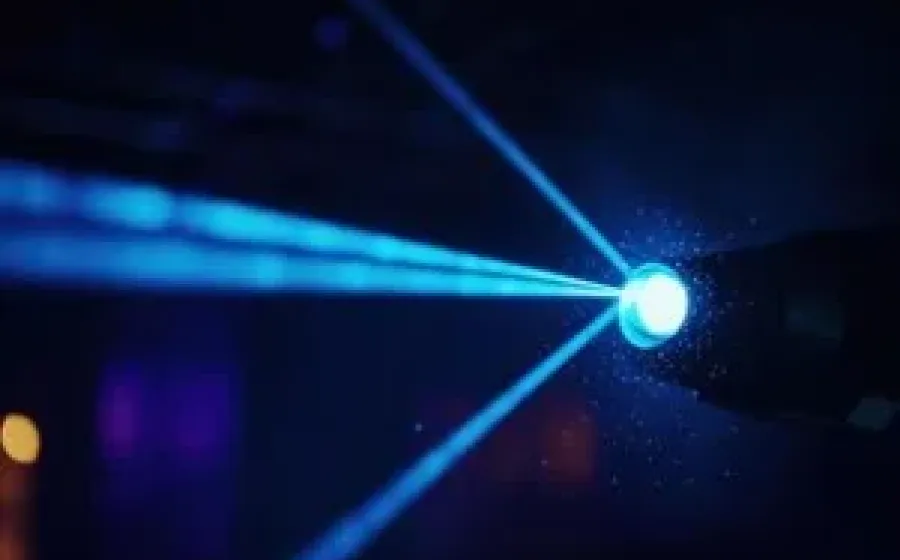
Every polymer product, from food-grade packaging to automotive interiors, depends on chemistry that works flawlessly. But how do we actually see what is happening inside those long polymer chains or complex additive blends? The answer, for decades now, has been Fourier Transform Infrared Spectroscopy, or FTIR.

It is not flashy, but FTIR quietly transformed the way we understand, control, and trust materials.

Starlinger is positioning plastic as the most sustainable packaging option through its advanced, recyclable solutions showcased at the “K” trade fair and its in-house exhibition in Austria. CSO Harald Neumüller emphasized that “plastic is not the problem, it’s the solution,” highlighting the company’s innovations in mono-material, “design for recycling” packaging.

Plastic packaging is rarely just polymer. Tiny amounts of purposeful chemistry, additives, control everything from how long a film lasts on the shelf to whether a package can be recycled or composted. In the last decade, additive science has shifted from pure performance toward performance that supports circularity, longer shelf life, lighter weight, and safer recycling. This blog explains the major classes of modern additives, shows how they help sustainable packaging, and highlights tradeoffs and real-world constraints.

Markem-Imaje, the global provider of end-to-end supply chain solutions and industrial marking and coding systems, has provided a printing and data management solution for catering expert Elior to reduce food waste and improve production efficiency.