

• Product Carbon Footprint reduction of around 20% to 45% compared with corresponding conventional paper coating binders
  • Drop-in solution to support customers’ Scope 3.1 carbon reduction targets

BASF is launching a portfolio of dispersions for paper coating with a reduced Product Carbon Footprint (rPCF). Paper coating binders produced at the Ludwigshafen Verbund site are now available with approximately 20% to 45% lower Product Carbon Footprints* than the corresponding conventional products.
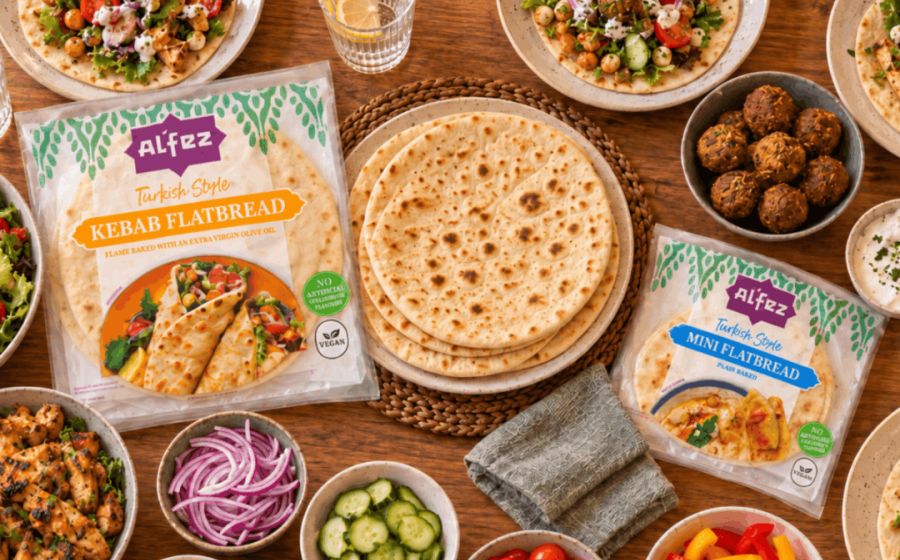

The packaging is a nylon-free polyolefin structure that combines a lidding film made from polyethylene and polypropylene with a mono-polyethylene base web. This format intends to replace non-recyclable packaging traditionally used in thermoformed food applications.

Currently, PolyFlex Thermoform can be recycled via front-of-store collection points for flexible plastics at major UK retailers. It was developed in line with the UK Government’s Simpler Recycling initiative, which is expected to introduce mandatory kerbside collection for flexible plastic films and bags from 2030.

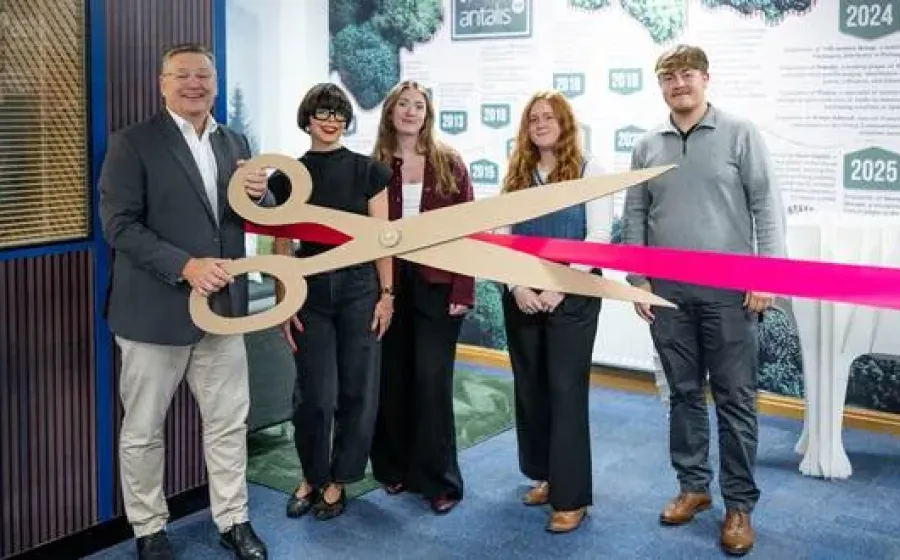
The centre is designed to bring sourcing, design, testing, prototyping and machinery expertise together.

The facility allows collaboration between customers and Antalis’ packaging specialists to develop, test, and refine packaging solutions.


Smart Packaging Centre includes virtual reality technology, 3D printing and scanning equipment, a testing suite, meeting and idea-generation areas, and a packaging machinery showroom.

COCKTAIL lovers are in for a treat this summer as the world’s favourite orange tipple finally goes portable.

For the first time in its 107-year history, Aperol has launched a ready-to-drink can called Aperol Spritz TO GO, making it easier than ever to enjoy a taste of Italy on the move.

While the Aperol Spritz is the undisputed drink of the season, lugging glassware, sparkling wine and soda water isn’t always practical for a day out.

Decreto-Legge n. 143 applies to single-use plastic packaging for pre-packaged vegetables weighing less than 1.5kg; and to single-use flexible packaging for cosmetics, beauty and hygiene products served in the hospitality sector that would be discarded before the next guest arrives.

It also applies to pre-filled, single-use plastic packaging for food and drinks served in the HORECA sector – this includes products intended for on-site consumption or individual portions of condiments.

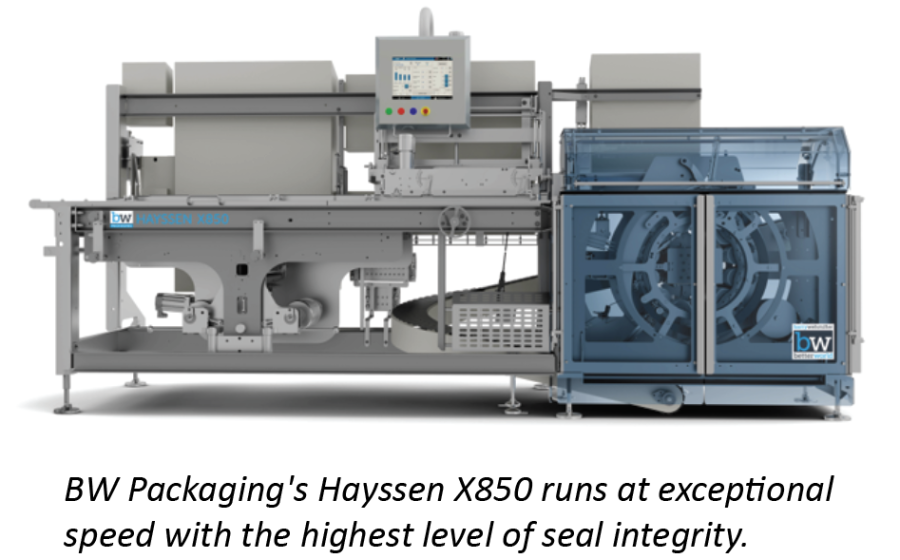
BW Packaging, Barry-Wehmiller’s packaging machinery business, announces the expansion of its Hayssen X850 flow wrapper into European markets. Originally designed for block and sliced cheese that require high seal integrity at high speeds, this multi-jaw flow wrapper combines patented servo ring technology and quick-release jaw design to deliver unmatched innovation in performance and quality to the flow-wrapping market.

Six global consumer goods companies have come together to launch the PaperFlex Consortium to accelerate the development of responsibly designed paper-based alternatives to flexible plastic packaging.

The PaperFlex Consortium, convened by the Ellen MacArthur Foundation and powered by (RE)SET, includes Colgate-Palmolive, Mars, Nestlé, PepsiCo, Procter & Gamble, and Unilever, as founding members and is open for others to join.


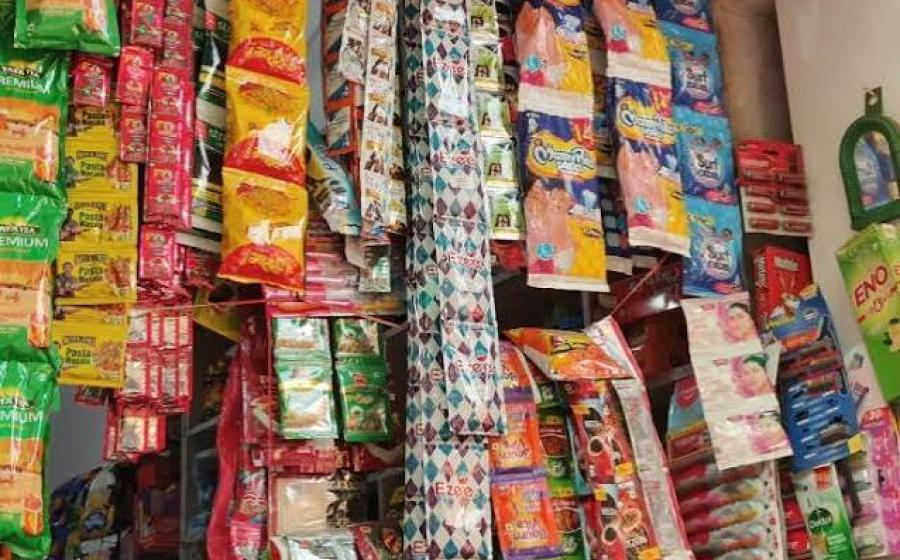
Fast grow of flexible packaging and its plastic waste problem

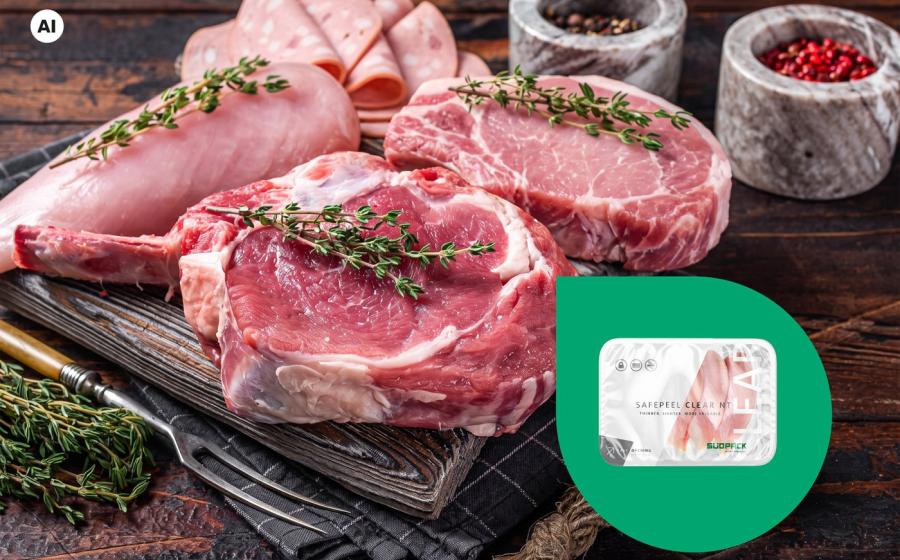
The meat and processed meat industry is facing growing demands, but also new opportunities. In a stakeholder survey, film manufacturer SÜDPACK identified the key trends and expectations shaping Germany’s meat industry. The findings show that companies that can effectively address topics such as shelf life, speed, digitalization, service, and, not least, collaboration between manufacturers, retailers, and suppliers will be well positioned to compete in an increasingly challenging market.