




- Rising inflation is driving demand for affordable dairy packaging, private label products, and smaller portion sizes.
- Sustainability and convenience trends are shaping packaging innovation, including aluminum-free cartons and portable formats.
- Flexible packaging systems are helping dairy brands adapt to new recipes, regulations and shelf-life requirements.
Rising inflation and cost-of-living pressures are pushing consumers to prioritize price and value in dairy packaging, says Julia Trebels, global category and consumer insights manager at SIG.
“Consumers are prioritizing price and value in dairy, driving growth in private label products, trading down to lower-priced brands, and increased demand for smaller pack sizes or value formats, while still expecting quality, innovation, and sustainability,” Trebels tells Packaging Insights.
Alongside cost-friendly solutions, Trebels highlights other trends shaping the dairy packaging landscape: flexibility, protection, and premiumization.
We sit down with Trebels to explore these trends in dairy packaging innovations, which are increasingly shaped by recipe formulations and food waste concerns.
Responding to dietary trends
Trebels explains that growing consumer sustainability concerns are prompting the use of “even more” sustainable packaging materials and transparent labeling in dairy packaging.
“Packaging needs to act responsibly,” she emphasizes.
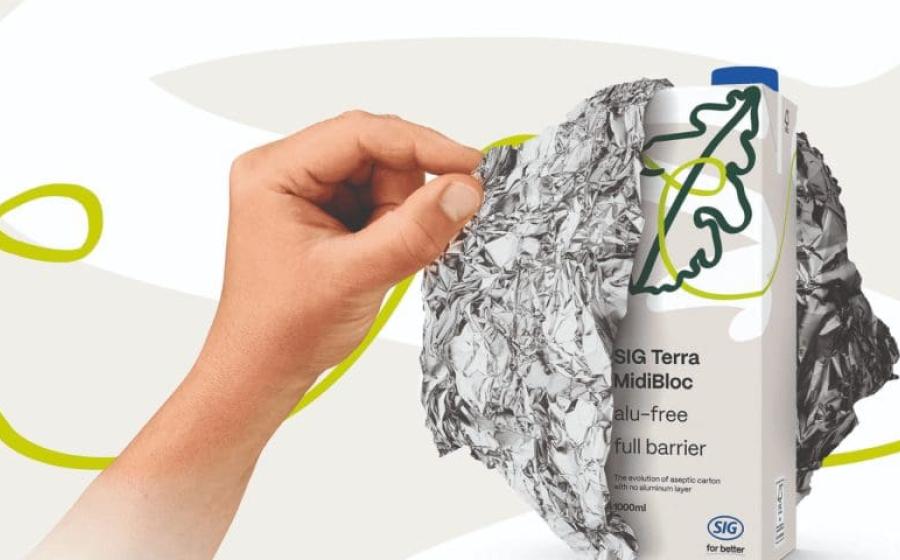
Last year, SIG removed the aluminum layer from its aseptic cartons to reduce its environmental impact and create a regenerative food packaging system. SIG’s Terra Alu-free + Full barrier packaging material is made from more than 80% paper, excluding the closure.
Trebels explains that packaging also needs to adapt to new consumption habits.
“This involves catering to on-the-go lifestyles with portion-controlled packaging, sustainable single-serve formats, and designs that target health-conscious consumers,” she says.
Smaller, portable packaging, especially in liquid formats, is increasingly popular and influenced by health trends, such as GLP-1 weight loss medications.
Protection is key
Of key concern to Trebels and SIG is product protection, which is especially important for dairy products, often prone to spoilage.
“Packaging needs to improve and secure food quality even further. This drives packaging solutions that perfectly preserve product quality and safety and extend shelf life,” adds Trebels.
Recently, SIG partnered with Oobli to bring the US-based sweet protein drink company’s product to market, utilizing SIG’s advanced aseptic filling technology for long shelf life at ambient temperatures and its diverse packaging formats.
Flexibility for longevity
Against the backdrop of sustainability, product protection, and consumer convenience, Trebels outlines that dairy packaging needs to be able to adapt to shifting consumer demands and an increasingly stringent regulatory environment.
She argues that dairy packaging needs to be agile, especially as dairy recipes, such as high-protein or easily digestible products, can frequently change.
“This boosts the introduction of packaging solutions that are adaptable to changing regulations and consumer demands and easily enable new volumes and formats for new channels or categories, as well as new recipes.”
Trebels concludes: “One of the most important parameters future-proof dairy packaging systems have to provide is flexibility to enable dairy product diversification and sustainable packaging innovations. All combined with core characteristics of packaging: maintaining high product quality and safety.”