




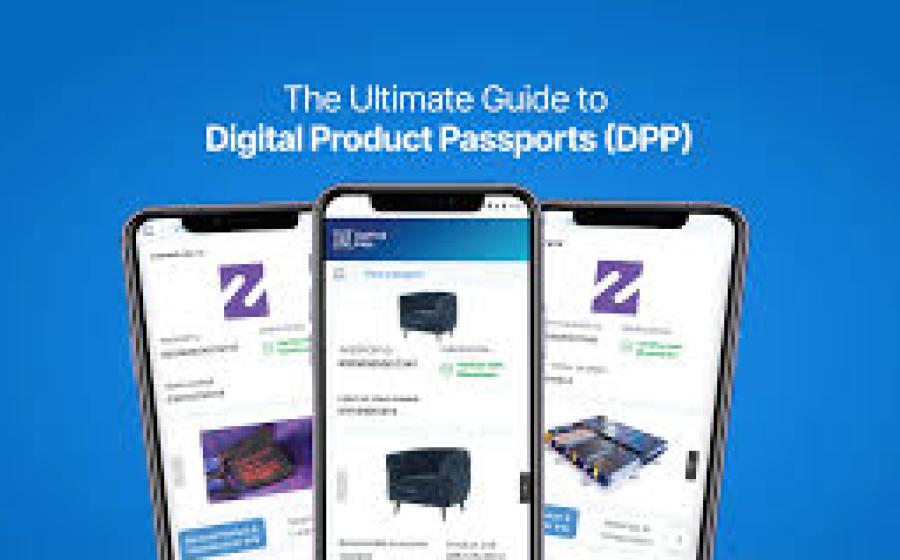

The packaging industry is entering a new era where transparency, traceability, and sustainability are becoming as important as product protection. One of the most significant developments driving this transformation is the Digital Product Passport (DPP), a digital record that provides detailed information about a product and its packaging throughout its lifecycle.
As governments introduce stricter sustainability regulations and consumers demand greater visibility into product origins, Digital Product Passports are emerging as a powerful tool for brands seeking to enhance accountability and support circular economy initiatives.
What Is a Digital Product Passport?
A Digital Product Passport is a digital data set linked to a product through technologies such as QR codes, RFID tags, NFC chips, or blockchain-enabled systems. By scanning the identifier, stakeholders can access information including:
- Material composition
- Recycled content
- Manufacturing details
- Carbon footprint
- Repair and reuse information
- Recycling instructions
- Supply chain traceability
The concept is gaining momentum as part of sustainability initiatives aimed at improving resource efficiency and reducing waste.
Why Packaging Matters
Packaging serves as the primary interface between consumers and products, making it an ideal carrier for Digital Product Passport information. A simple QR code printed on a package can provide consumers with instant access to sustainability information that would otherwise be impossible to display on a label.
For brands, this creates opportunities to communicate environmental commitments while supporting compliance with evolving regulations.
Benefits for Brands
- Improved Transparency: Consumers increasingly want to understand where products come from and how they are made. DPPs provide a reliable source of verified information.
- Enhanced Regulatory Compliance:Upcoming regulations, particularly in Europe, are expected to require greater reporting and traceability of materials and environmental impacts.
- Better Recycling Outcomes:Clear disposal and recycling instructions can help improve collection rates and reduce contamination in recycling streams.
- Supply Chain Visibility:Manufacturers can track materials throughout the supply chain, improving quality control and sustainability reporting.
Technologies Powering DPPs
Several technologies are enabling Digital Product Passports:
- QR Codes
- RFID
- NFC Tags
- Blockchain Platforms
- Cloud-Based Data Systems
- IoT Sensors
Each technology offers unique advantages depending on the packaging application and required level of traceability.
Challenges Ahead
While the benefits are significant, challenges remain:
- Data standardization
- Implementation costs
- System integration
- Data security
- Global regulatory alignment
Industry collaboration will be essential to ensure interoperability and widespread adoption.
The Future of Packaging Transparency
Digital Product Passports represent more than a compliance requirement. They provide an opportunity to build consumer trust, improve sustainability performance, and create a more circular packaging ecosystem.
As adoption increases, packaging is expected to evolve from a simple protective layer into a dynamic information platform that connects brands, consumers, recyclers, and regulators through a shared source of product data.
The future of packaging is not only sustainable—it is transparent, traceable, and digital.