




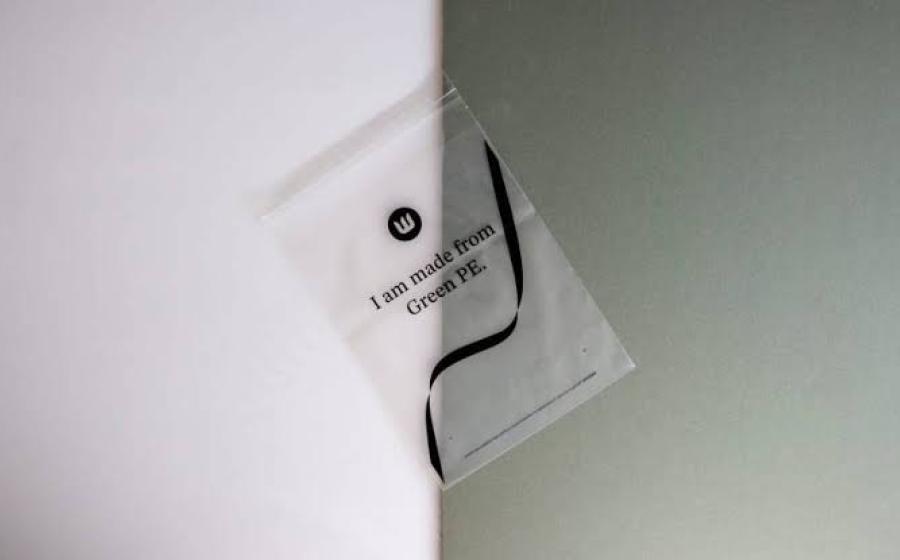

As the first deadline under the EU’s Packaging and Packaging Waste Regulation (PPWR) approaches, Weavabel is expanding its range of garment bags that are compliant with the legislation.
The refreshed collection from the U.K.-based packaging and trims company offers a variety of alternative materials to conventional virgin plastic packaging for brands to consider as they review their packaging strategies.
The collection includes LDPE garment bags with up to 100 percent post-consumer recycled content, recycled HDPE garment bags, plastic-free cellulose garment bags made from sustainably sourced wood pulp, FSC-certified spruce paper garment bags, compostable garment bags made from cornstarch and biopolymers and green PE garment bags made from sugarcane ethanol.
The garment bags are sustainable, durable and customizable, allowing brands to print logos, product information, sizing and other branding elements.
PPWR has its first deadline on August 12, at which point brands will need to produce data on all of their packaging suppliers. Garment bags remain an important consideration within the apparel supply chain. In addition to being compliant, brands are seeking materials that best suit their products, supply chains and overall sustainability goals.
“Fashion brands are looking more closely than ever at the materials they use throughout their supply chains, including garment packaging. We’ve expanded our garment bag range to give brands greater choice, whether they’re looking for recycled content, paper-based alternatives, compostable materials or other innovative options,” said Josh Christie, Weavabel managing director.
The collection is part of Weavabel’s stitch-to-store model, which supports local supply chains. Where possible, garment bags are produced and delivered locally from one of Weavabel’s 10 locations in the U.K., Portugal, Turkey, Pakistan, India, Bangladesh, Vietnam, Hong Kong, China and North America.
The model promotes brand consistencey, reduces costs, shortens lead times and helps build a traceable supply chain.
“Every brand’s requirements are different, so our role is to help customers identify the most appropriate solution for their products while maintaining the protection garments need throughout manufacturing and distribution,” Christie added.
Weavabel currently works with brands across fashion, retail, beauty and lifestyle, producing over 200 million units annually.
The garment bag collection is a part of Weavabel’s wider portfolio of sustainable trims, labels and packaging solutions. Other products include patches made of GRS-certified recycled rubber and metal trims to tags made from surplus straw, recyclable kraft paper and FSC paper.
Last month, Weavabel announced a partnership with Bombiix to deliver an integrated digital product passport solution to help brands prepare for stricter regulatory framework in the European Union.