





Inclusive Design in Packaging: Why Easy-to-Open, Easy-to-Read Packs Win
Meta description: Inclusive design in packaging helps older and disabled shoppers open, read and use products. See the evidence, a real case study and practical steps.
Before a product can impress anyone, it has to be opened. In a Design Age Institute survey of 2,000 people aged 55 to 104, more than 60% said opening packaging is a big stress factor at home.2 Inclusive design in packaging tackles that problem: it means creating packs that the widest range of people can see, understand, open and reseal, whatever their age, dexterity or eyesight.
Why inclusive packaging design matters
The World Health Organization estimates that at least 2.2 billion people have a near or distance vision impairment, and most people affected are over 50.1 Small type, weak contrast and unclear imagery are therefore barriers for a very large share of shoppers. Population growth and ageing are also raising the risk that more people will acquire vision impairment.1
University of Portsmouth researchers found that older shoppers often blamed themselves, not the manufacturer, when labels were hard to read or packs hard to reseal, and that such problems can damage their sense of self-worth. The same study noted that many issues also affect younger consumers, so designing for older people can add value for everyone.3
What the research says about openability
A 2025 usability study tested ten food and beverage packs with adults aged 65 to 74 and those aged 75 and over. It cites ISO 11156:2011, which frames accessible package design as a worldwide concern.4 The Portsmouth study listed the recurring pain points: small fonts, unclear or deceptive imagery, bulky or heavy items and difficult openings.3
Regulation already points the way
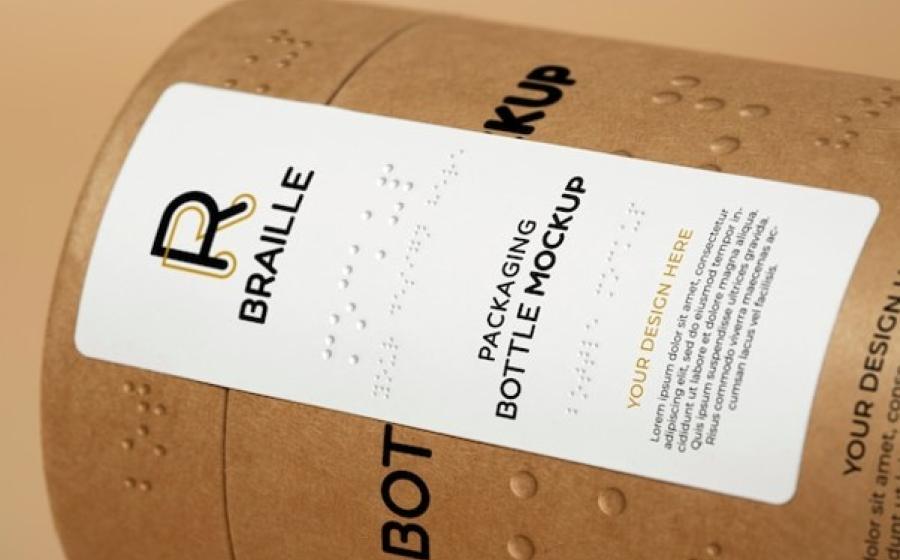
In the European Union, Article 56a of Directive 2001/83/EC requires the name of a medicinal product to be expressed in Braille on its packaging.5 It shows that accessibility can be written into packaging requirements, not left to goodwill.
A case study in inclusive packaging
Microsoft designed the Xbox Adaptive Controller box so gamers with limited dexterity, using one hand or one arm, could open it and remove the controller. Designers tested prototypes with gamers with disabilities and added pull loops. The loops were made oval after a tester with limited hand mobility found them easier to use than small circular ones.6
Practical steps for packaging teams
- Test early with real users, including older adults and people with limited dexterity, before structure and artwork are locked in.6
- Improve legibility with larger type, strong contrast and honest imagery.3
- Design openings that need little force, and make resealing simple.
- Add tactile cues such as Braille where relevant.5
- Design for everyone rather than labelling a pack "for seniors", since the Portsmouth study warned that senior-targeted products can alienate people who do not want to be seen as old.3
- Check any redesign against recyclability goals so easier access does not add material.
The bottom line
Inclusive design in packaging widens your audience, protects customer dignity and meets growing expectations around accessibility. Start with one product line, test it with the people who struggle most, and let the results guide the rest of your range. That is how inclusive design becomes routine.
Sources
1. World Health Organization. Blindness and vision impairment (fact sheet). https://who.int/en/news-room/fact-sheets/detail/blindness-and-visual-impairment
2. Design Week. Design Age Institute petitions for inclusive packaging design standard (reporting the Design Age Institute survey), November 2022. https://www.designweek.co.uk/issues/7-11-november-2022/design-age-institute-petitions-inclusive-packaging-design-standard/
3. New Food Magazine. Older consumers left "powerless" by packaging (University of Portsmouth study). https://newfoodmagazine.com/?p=22172
4. Juliá-Nehme, B. (2025). Identifying design barriers for older adults in food packaging: A usability study. ArDIn. Arte, Diseño e Ingeniería, 14, 1-24. Cites ISO 11156:2011. https://doi.org/10.20868/ardin.2025.14.5422
5. European Parliament and Council. Directive 2001/83/EC, Article 56a (Braille requirement for medicinal products). https://www.legislation.gov.uk/eudr/2001/83/article/56a/data.html
6. Microsoft. How gamers with disabilities helped design the new Xbox Adaptive Controller's elegantly accessible packaging. https://news.microsoft.com/features/how-gamers-with-disabilities-helped-design-the-new-xbox-adaptive-controllers-elegantly-accessible-packaging/