




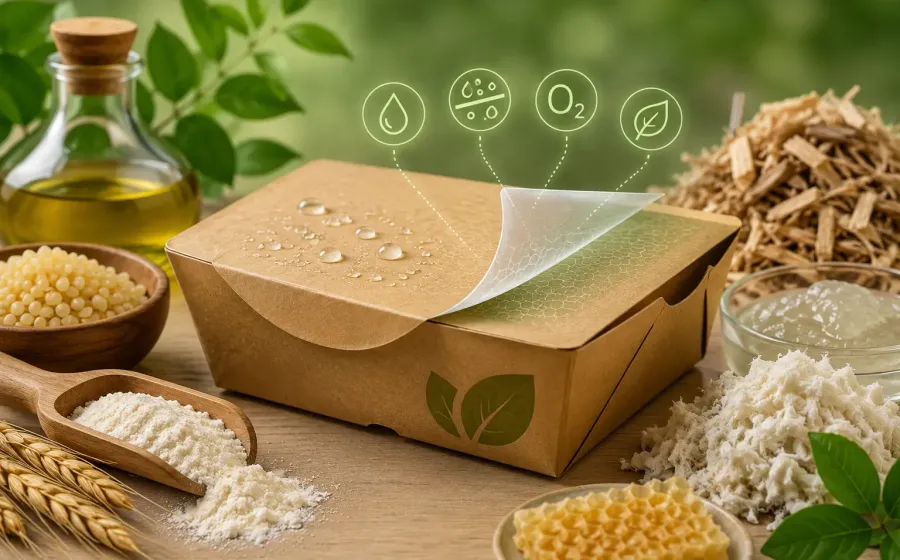

The packaging industry is facing unprecedented pressure to reduce its environmental footprint while maintaining the performance required to protect products throughout their lifecycle. As brands seek alternatives to traditional plastic packaging and governments introduce stricter sustainability regulations, bio-based barrier coatings are emerging as one of the most promising innovations in sustainable packaging.
From food packaging and beverage containers to e-commerce and pharmaceutical applications, barrier coatings play a critical role in protecting products against moisture, oxygen, grease, aromas, and contaminants. Traditionally, these protective properties have been achieved using plastic laminates, aluminum foils, fluorochemicals, or synthetic coatings. However, growing demand for recyclable, compostable, and renewable packaging solutions is driving the development of bio-based alternatives.
Today, bio-based barrier coatings are transforming how packaging is designed, offering the potential to combine performance, sustainability, and circularity in a single solution.
What Are Bio-Based Barrier Coatings?
Bio-based barrier coatings are protective layers derived partially or entirely from renewable biological resources such as:
- Starch
- Cellulose
- Plant oils
- Natural waxes
- Proteins
- Lignin
- Chitosan
- Other biomass-derived materials
These coatings are applied to paper, paperboard, films, and other substrates to provide barrier properties that help preserve product quality and extend shelf life.
Unlike conventional fossil-fuel-based coatings, bio-based alternatives utilize renewable raw materials and can contribute to reduced carbon footprints and improved end-of-life options.
Why Barrier Coatings Matter
Packaging must do much more than contain a product. It must protect against environmental factors that can compromise quality and safety.
Common barrier requirements include:
Moisture Barrier: Protects products from humidity and water vapor that can affect texture, stability, and shelf life.
Oxygen Barrier: Prevents oxidation that can degrade food, pharmaceuticals, and sensitive consumer goods.
Grease Resistance: Essential for bakery products, fast food packaging, and convenience food applications.
Aroma Protection: Maintains product freshness by preventing flavor loss and odor transfer.
Heat-Sealing Performance: Ensures packaging integrity during filling, transportation, and storage.
Bio-based coatings are increasingly being engineered to provide these functionalities while supporting sustainability goals.
The Drivers Behind Bio-Based Barrier Coatings
Sustainability Commitments: Global brands are setting ambitious targets to reduce virgin plastic use and improve packaging recyclability.
Regulatory Pressure: Governments worldwide are implementing regulations that encourage recyclable and renewable packaging materials.
Consumer Demand: Consumers increasingly prefer environmentally responsible packaging solutions and expect brands to demonstrate sustainability leadership.
Circular Economy Goals: Bio-based coatings can help support packaging systems designed for recycling, composting, and renewable resource utilization.
Key Technologies Shaping the Market
Cellulose-Based Coatings:Derived from wood pulp and plant fibers, cellulose coatings provide excellent oxygen barrier properties and can be integrated into paper-based packaging systems.
Natural Wax Coatings: Vegetable-derived waxes offer moisture resistance and grease barriers while maintaining renewable content.
Starch-Based Solutions: Starch coatings provide biodegradable barrier functionality and are increasingly used in paper packaging applications.
Protein-Based Barriers: Proteins derived from agricultural sources can create highly effective oxygen barriers for food packaging.
Lignin-Based Technologies: Lignin, a natural component of wood, is gaining attention as a renewable barrier material capable of enhancing packaging performance while reducing dependence on petrochemicals.
Applications Across Packaging Markets
Food Packaging
Bio-based barrier coatings are being adopted for:
- Bakery packaging
- Fresh produce packaging
- Snack packaging
- Fast food wraps
- Dry food applications
Beverage Packaging: Paper-based beverage cartons and cups are increasingly incorporating sustainable barrier technologies.
E-Commerce Packaging: Protective paper packaging with enhanced moisture resistance is becoming more important as online retail continues to grow.
Pharmaceutical Packaging: While regulatory requirements remain stringent, research into bio-based barriers for healthcare applications is expanding rapidly.
Consumer Goods Packaging : Personal care and household product manufacturers are exploring renewable barrier solutions as part of broader sustainability strategies.
Advantages of Bio-Based Barrier Coatings
Reduced Dependence on Fossil Resources: Renewable raw materials help reduce reliance on petroleum-based packaging components.
Improved Recyclability: Many bio-based coatings are designed to be compatible with paper recycling systems.
Lower Carbon Footprint: Renewable feedstocks can contribute to reduced greenhouse gas emissions compared to traditional coating technologies.
Enhanced Brand Sustainability: Bio-based packaging solutions help companies meet corporate sustainability commitments and consumer expectations.
Support for Circular Packaging Systems: Many bio-based barrier technologies align with circular economy principles by enabling improved resource recovery and renewable material use.
Challenges to Overcome
Despite significant progress, several challenges remain.
Performance Requirements: Achieving the same barrier performance as conventional multilayer packaging can be difficult for certain applications.
Cost Competitiveness: Some bio-based technologies remain more expensive than traditional alternatives.
Scalability: Large-scale production and global supply chain integration continue to develop.
End-of-Life Management: Clear standards and infrastructure are needed to ensure packaging reaches the appropriate recycling or composting streams.
The Future of Sustainable Packaging
The next decade is expected to see rapid growth in bio-based barrier technologies as brands pursue recyclable, renewable, and low-carbon packaging solutions.
Future innovations are likely to focus on:
- High-performance paper-based packaging
- PFAS-free grease barriers
- Compostable barrier coatings
- Water-based coating systems
- Advanced bio-polymers
- Renewable heat-seal technologies
As material science advances, bio-based barrier coatings will continue closing the performance gap with conventional packaging structures while delivering significant environmental benefits.
Bio-based barrier coatings represent one of the most exciting developments in sustainable packaging. By combining renewable materials with advanced barrier functionality, these technologies offer a pathway toward packaging solutions that protect products while supporting circular economy goals.
As brands, regulators, and consumers increasingly prioritize sustainability, bio-based barrier coatings are poised to become a key enabler of the next generation of environmentally responsible packaging. The future of packaging is not only recyclable—it is renewable, innovative, and bio-based.