




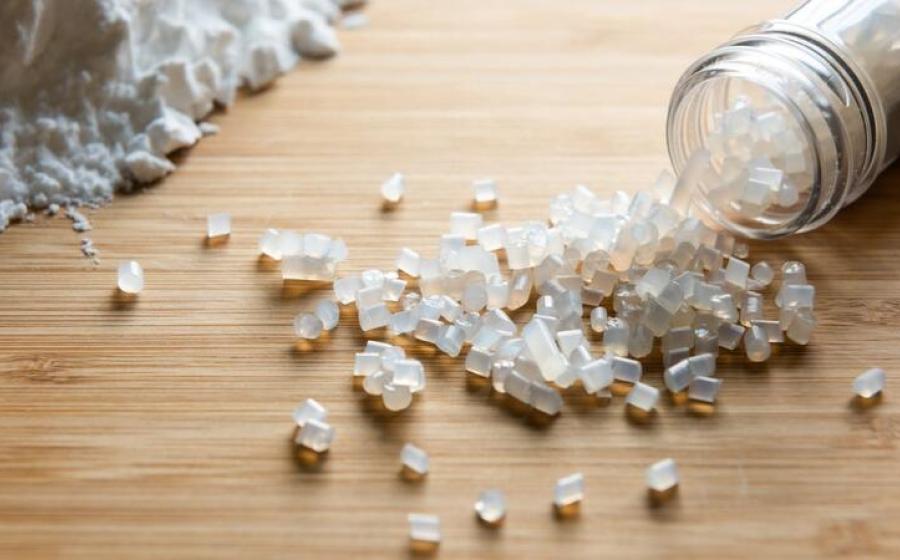

In collaboration with Verdofoam®, Nexam has achieved a significant milestone. They developed a process to replace fossil-based polystyrene foam used in e-commerce packaging. The key lies in Nexam’s unique additive technology, which enables the expansion of bio-based plastics like PLA (polylactic acid). This has been a technical challenge until now.
The new bio-based foam offers the same lightweight, shock-absorbing qualities as traditional packaging foam. Yet, it is made from renewable resources, making it more sustainable. Ronnie Törnqvist, CEO of Nexam Chemicals, called it a “clear breakthrough.” He added, “Creating bio-based foam opens up a new market. Our technology can help reduce the climate footprint of plastics without sacrificing performance.”
Packaging foam is widely used to protect products during transport. For example, small foam beads fill empty spaces in e-commerce boxes. Globally, around 5.8 million tons of expanded polystyrene (EPS) are used annually for packaging. Based on typical emission factors, this results in approximately 18 to 30 million tons of CO₂e emissions each year. Replacing part of this volume with bio-based foam could significantly lower fossil fuel dependency and reduce climate impact.
Hans-Erik Ouwehand, CEO of Verdofoam®, said, “With Nexam’s additives, we produced a fully bio-based foam with proper structure and properties. It’s an important step towards sustainable packaging.”