



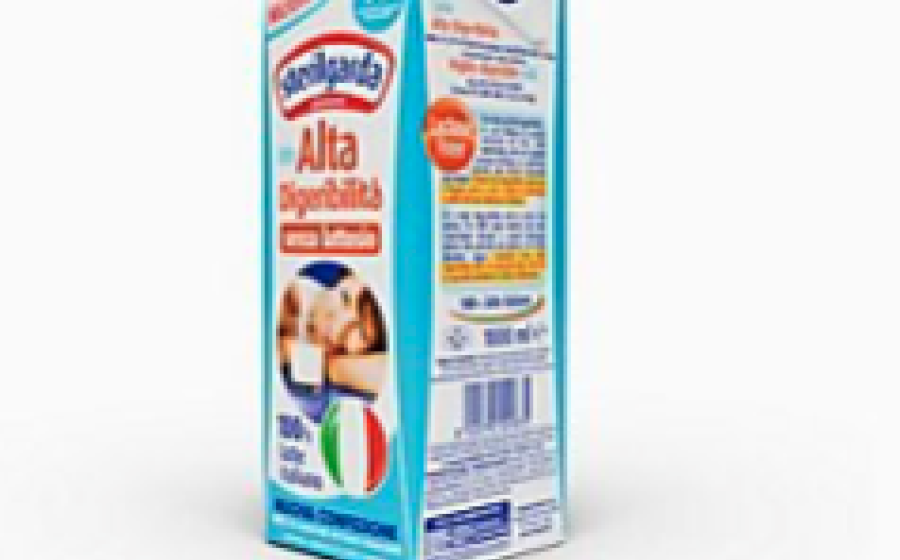

In a major step toward sustainable packaging innovation, Tetra Pak, in collaboration with Sterilgarda Alimenti, has unveiled the industry’s first 1-litre aseptic carton featuring a paper-based barrier. The launch marks a significant milestone in the transition away from aluminium-based structures toward renewable, low-carbon packaging solutions.
A Breakthrough in Aseptic Carton Design
The newly introduced package is based on the widely used Tetra Brik Aseptic 1000 Edge format, now enhanced with a paper-based barrier layer. This innovation replaces the conventional aluminium foil layer typically used in aseptic cartons for protection against oxygen, light, and moisture.
By integrating this new barrier with plant-based polymers, the carton achieves up to 90% renewable content, significantly improving its environmental profile.
Up to 50% Lower Carbon Footprint
One of the most notable outcomes of this development is its impact on sustainability. According to Carbon Trust-verified data, the new carton can reduce carbon footprint by up to 50% compared to traditional aseptic packaging structures.
This positions the solution as a strong contender in the global push toward:
- Lower greenhouse gas emissions
- Increased use of renewable materials
- Reduced dependence on fossil-based and aluminium components
Performance Without Compromise
Despite the shift in material structure, the new carton maintains comparable performance to conventional aseptic packaging. It is designed for ambient distribution, ensuring:
- Equivalent shelf life
- Reliable barrier protection
- Food safety compliance
This is critical, as aseptic packaging must balance sustainability with uncompromised product integrity especially in dairy and beverage applications.
Simplified Material Structure and Recycling Advantage
Another key engineering advantage is the simplification of the material structure. Traditional cartons typically consist of three primary materials (paperboard, polymers, aluminium), whereas this innovation reduces it to two main components: paper and polymers.
This simplification:
- Enhances recyclability
- Improves fibre recovery
- Supports existing recycling infrastructure
Ultimately, it aligns with the industry’s broader goal of creating circular packaging solutions.
Part of a Larger Sustainability Strategy
This launch builds on Tetra Pak’s ongoing investment in next-generation packaging materials. The company has committed to investing approximately €100 million annually through 2030 to accelerate sustainable packaging innovation, including the development of paper-based barrier technologies.
The technology itself has evolved rapidly:
- First introduced in smaller portion packs in 2023
- Expanded to high-speed production lines
- Recognized with sustainability awards in 2024
Industry Implications
This development signals a broader transformation in the food and beverage packaging industry. As brands face increasing pressure from regulators and consumers, solutions like paper-based barriers offer a viable pathway to:
- Decarbonize packaging formats
- Increase renewable material usage
- Maintain industrial scalability
For converters, material suppliers, and FMCG companies, this innovation represents not just a new package—but a shift in material science philosophy.