




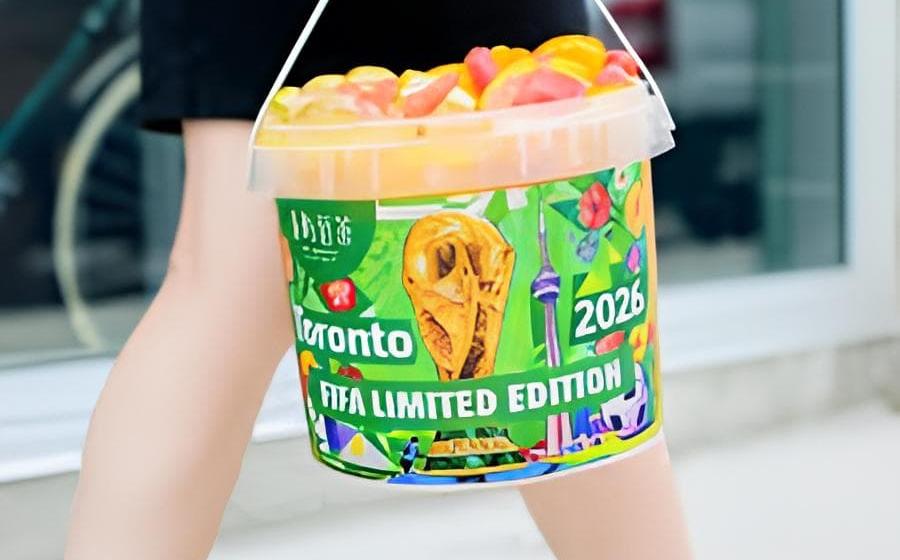

The FIFA World Cup is one of the biggest football tournaments in history. For packaging professionals, it is also the most ambitious, real-time case study in consumer-driven pack design. With 48 teams, 104 matches, and over 5.5 million visitors expected across the United States, Canada, and Mexico, brands are rethinking what packaging can do far beyond containment for the 2026 edition.
Limited Editions and Collectible Formats Are Driving Purchase
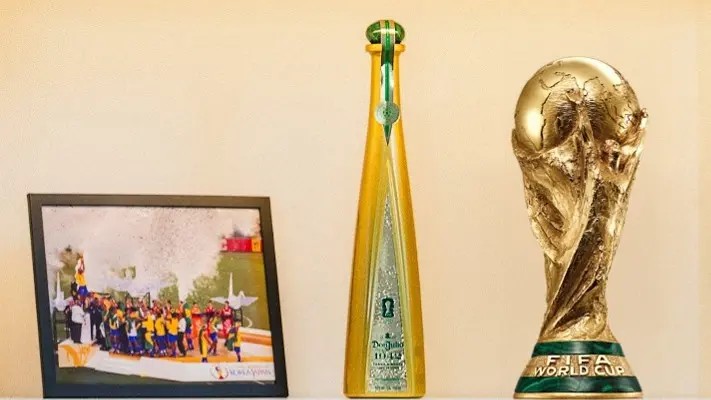
Scarcity sells. Limited-edition and collectible packaging has become a core tactic for brands seeking a share of World Cup attention. Budweiser, as a 40-year FIFA sponsor, has launched collectible bottles and cans across Brazil, China, and select markets, commemorating every tournament from 1986 to 2026. McDonald's has launched a FIFA World Cup Collector's campaign, while Don Julio unveiled a limited 1942 bottle structurally modeled on the World Cup Trophy itself. These are not gimmicks. They are strategic plays to convert one-time shoppers into brand advocates.
Localized Design Is the New Global Strategy
With 16 host cities and three co-host nations, hyper-local packaging is resonating more than a generic global look. Brands are using national colors, team imagery, and regional cultural references to connect with distinct fan communities. This shift signals a broader truth: standardized pack design is losing ground to culturally responsive formats that make consumers feel seen.
Smart Packaging Is Moving from Concept to Shelf
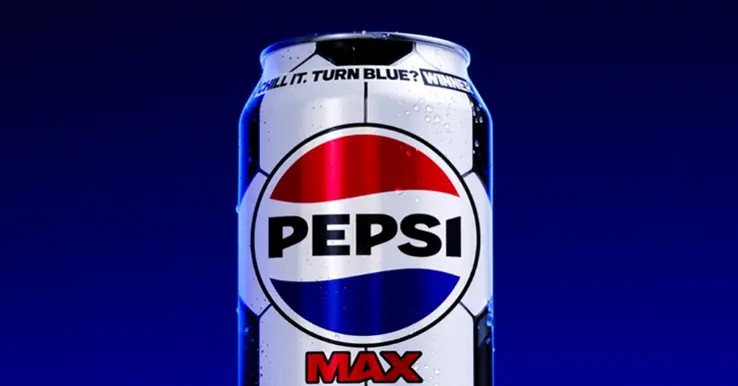
Perhaps the most forward-looking packaging trend this tournament is the rise of interactive and smart formats. Pepsi Max has manufactured 150,000 limited-run thermochromic cans under its Global Football Nation campaign, where pack color shifts to signal the perfect chill temperature. Structural packaging is also doing strategic work in the on-trade: Marston's deployed 50,000 commemorative pint glasses across 700 pubs, turning a glass into a take-home keepsake that competes directly with at-home viewing.
At-Home Viewing Is Reshaping F&B Pack Priorities
Over 60% of fans plan to watch matches at home or with friends. This is not incidental for packaging strategy. Brands are optimising pack formats for home consumption occasions, driving demand for multi-serve and sharing formats in snacks, beverages, and ready-to-eat categories. The home has become an emotional stadium, and packaging is central to the ritual.
What Packaging Professionals Should Take Away
FIFA 2026 confirms what packaging strategists have long argued: pack design is a brand experience, not a finishing step. Consumers are not just buying products. They are buying moments. The brands winning this tournament are those treating packaging as a first-order communication channel, one capable of building community, celebrating identity, and driving repeat purchase.
For brands not yet in the game, the takeaway is urgent. Culturally resonant, technically innovative, and emotionally charged pack design is no longer an edge. It is the expectation.
Sources
- Boom Growth Partners / Financial Content (2025). Marketing heading into 2026.
- Zappi (2026). World Cup packaging goes collectible in 2026.
- Food and Drink Technology (2026). Fast-moving fandom: how brands are customising products, packaging, and services for World Cup 2026.