




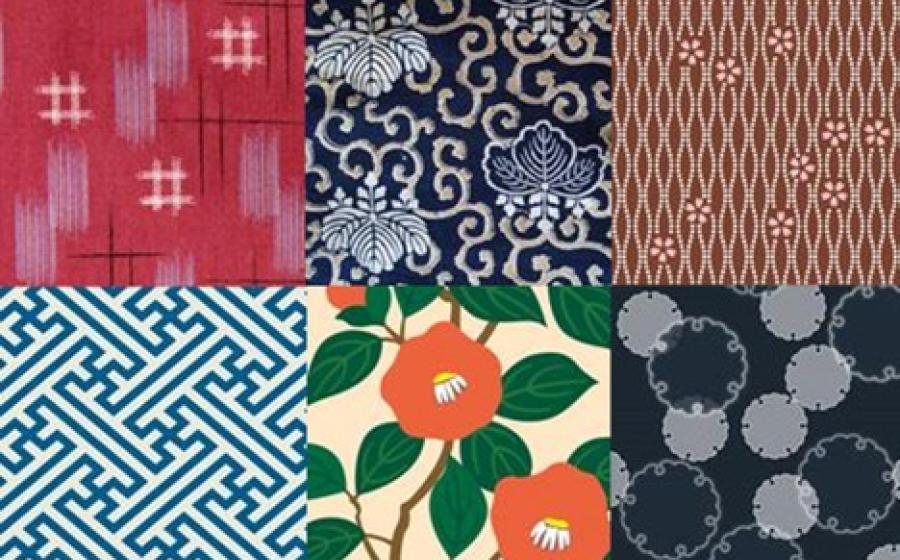

When you unwrap a gift in Japan, something unexpected happens: you don't want to throw away the box. The paper, the ribbon, the perfectly folded corners, all of it feels intentional. That sensation is not accidental. It is the product of a centuries-old design philosophy that has made Japan the undisputed global leader in packaging design.
From the delicate origami-folded tissue of a Kyoto confectionery to the minimalist typography on a Tokyo convenience store onigiri, Japanese packaging is a discipline elevated to art. Understanding why Japan dominates this space means looking at culture, commerce, and craftsmanship all at once.
The Cultural Roots of Japanese Packaging Excellence
Japan's mastery of packaging did not emerge from modern marketing departments. It evolved over hundreds of years through a concept called "tsutsumu", the art of wrapping. In traditional Japanese culture, the way an object is wrapped communicates respect for the recipient. The packaging is part of the gift; to present something carelessly wrapped is to insult the person receiving it.
This cultural reverence for presentation created a society deeply attuned to packaging as communication. Japanese consumers developed extraordinarily high expectations for how products are wrapped, boxed, bagged, and presented, expectations that manufacturers have continuously worked to meet and exceed.
The result is a feedback loop of refinement. Consumers demand excellence; brands deliver it; standards rise further. Over generations, this cycle has produced a packaging culture unlike anything found elsewhere in the world.
Precision Craftsmanship at Every Price Point
One of the most striking aspects of Japanese packaging design is that the quality does not stop at luxury goods. Walk into any Japanese convenience store, a konbini, and you will find that a 150-yen rice ball is packaged with the same thoughtfulness as an expensive department store sweet.
The iconic three-part onigiri wrapper, for instance, is a masterclass in functional design. Pull tab one, slide the seaweed film, pull tab two, and the nori wraps perfectly around the rice without ever going soggy. It solves a genuine problem elegantly, using minimal materials. This is packaging as engineering, and it reflects a broader Japanese design principle: form and function are inseparable.
This commitment to quality at every price tier means Japanese packaging innovation filters through the entire market, not just premium segments. The country's packaging industry is estimated to be worth over $40 billion USD, supported by constant investment in materials science, printing technology, and structural design.
Minimalism, Wabi-Sabi, and the Power of Restraint
Western packaging design has long defaulted to maximalism, bold colors, loud fonts, claims stacked on claims. Japanese packaging frequently takes the opposite approach, drawing on aesthetic philosophies like wabi-sabi (the beauty of imperfection and simplicity) and ma (the power of negative space).
A Japanese skincare brand might use muted, earthy tones, a single elegant typeface, and a small seasonal illustration. Nothing shouts. Everything whispers, and somehow, that whisper is impossible to ignore on a shelf full of noise. This restraint requires remarkable design confidence, and it is one reason Japanese packaging translates so well to global luxury markets.
International brands from Muji to Shiseido have exported this aesthetic worldwide, influencing packaging design from Scandinavia to California. When Muji opened stores globally, its packaging, plain, paper-brown, almost devoid of graphics, was considered revolutionary. In Japan, it was simply considered good design.
Seasonal Storytelling and Limited Edition Culture
Japan's packaging industry has also pioneered seasonal and limited-edition packaging as a high art form. Department stores (depato) and confectionery brands release entirely redesigned packaging for cherry blossom season, summer festivals, autumn foliage, and new year celebrations.
This creates a commercial ecosystem where packaging becomes collectible, where consumers purchase products partly for the box itself. The famous omiyage (souvenir gift) culture demands region-specific packaging that tells a story of place, a Kyoto matcha sweet wrapped to evoke Gion's lantern-lit streets, or a Hokkaido dairy product dressed in pastoral illustrations of its snowy fields.
This seasonal storytelling keeps packaging design in constant creative motion, preventing stagnation and maintaining consumer excitement year-round. It also builds brand loyalty through emotional connection, you are not just buying a cookie, you are buying spring.
Sustainable Innovation Without Sacrificing Beauty
As global pressure mounts on the packaging industry to reduce waste, Japan is proving that sustainability and beauty are not in conflict. Japanese packaging designers have long worked with FSC-certified papers, biodegradable films, and soy-based inks, while the country's tradition of minimal, precise packaging means less material is wasted to begin with.
Many Japanese brands are pioneering plant-based alternatives to plastic film, edible packaging for confectionery, and refillable container systems that customers actually want to use because the containers are beautiful. Brands like Lush Japan and homegrown innovators are showing that the next frontier in packaging design is circular, where the package has a second life built into its first design.
What the World Can Learn From Japan
The global packaging industry is paying close attention. Japanese packaging design awards like the Good Design Award and participation in international competitions have introduced the world to a new benchmark for what packaging can achieve.
The lessons are clear: packaging is not mere container, it is communication, craft, culture, and care. It can delight before a product is even opened. It can solve engineering problems invisibly. It can carry a story of place, season, and tradition. It can be beautiful enough to keep.
Japan has understood this for centuries. The rest of the world is only beginning to catch up.
Whether you are a brand manager, a designer, or simply someone who appreciates exceptional craft, Japanese packaging design offers an education in what happens when a culture takes beauty seriously, at every level, in every aisle, at every price point.
Tags: packaging design, Japanese design, brand packaging, sustainable packaging, minimalist design, product packaging trends, packaging innovation, Japanese aesthetics, global packaging industry
Meta Description: Discover why Japan leads the world in packaging design, from ancient aesthetics and precision craftsmanship to sustainable innovation and consumer psychology. Explore the cultural, commercial, and creative forces driving Japan's packaging revolution.