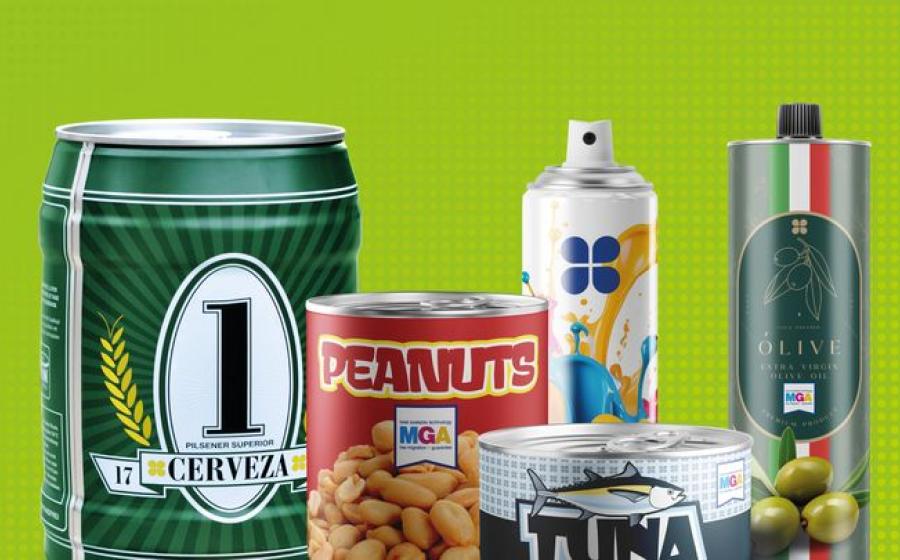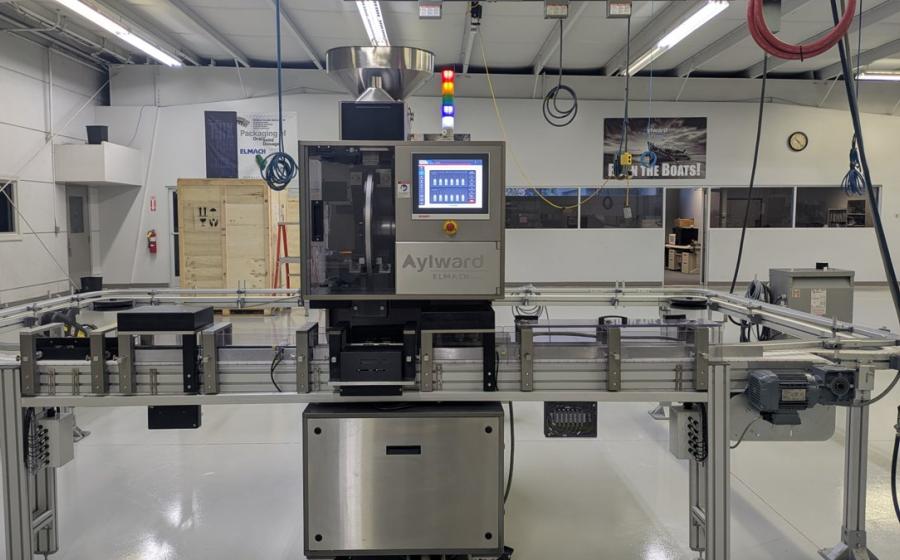

The sensors can be applied in medicine, for example, in diagnosing tumour hypoxia – a condition in which there is almost no oxygen around a tumour, in the food industry – to check whether packaging has lost its seal, and in biotechnology – to precisely monitor cell cultivation processes. Moreover, their performance can be observed with the naked eye, while their record-high sensitivity ensures rapid and reliable detection.

Paxton said on Monday that beginning on November 1, Colgate will depict "safe, age-appropriate amounts of toothpaste" for children under six for its Colgate, Tom's of Maine and hello brands of toothpaste, consistent with the labels' instructions.

These depictions will include "pea-sized" amounts of toothpaste, rather than larger amounts or swirls, when Colgate uses an image of toothpaste atop a toothbrush, Paxton said.

TotalEnergies contributes to the CooperVision’s “Plastic Made Better” program by implementing certified renewable polypropylene through a mass balance approach  in certain CooperVision blister packs. The bio-certified polymer is derived from the processing of renewable feedstock, primarily sunflower and rapeseed oils, at TotalEnergies’ bio-refinery in La Mède (France).

Abaris Printing created the labels using a lithographic print style process, while MCC handled the scratch and enter lid stickers. Both labels were applied to the jars at the brands factory in Lithgow, where the Nutella itself is made.

The design of the new label celebrates what the company calls its “most iconic pairing” – Nutella and bread.

Partnering with premium kitchenware brand Alessi, Nutella’s latest promotion gives 400 lucky shoppers the chance to win a Nutella x Alessi breadboard – valued at $250. The promotion runs from 1 September to 26 October.

To maintain the cookies' structural integrity and freshness, they are packaged in clear plastic boxes for smaller formats, as well as larger cardboard boxes which incorporate a plastic window. Neither plastic solution is currently recyclable, and there is some degree of pushback from consumers, who say they love the product but want it packaged more sustainably.

With two product lines (regular and gluten-free) and formats ranging from bite-sized pieces to cookie bars, the company is searching for a sustainable, affordable solution that can flex with its growing range.

This significant step marks the first time Greenback’s modular chemical recycling technology is hosted by a global packaging leader in Europe. The partnership with Amcor aims to showcase the potential for co-locating modular recycling units within existing industrial infrastructure — bringing the circular economy closer to reality. The module’s installation at Heanor will provide important learnings for scaling circularity as it will predominantly convert household post-consumer flexible packaging waste.

Italian premium kiwifruit company Jingold says almost 96 per cent of the packaging material it uses – including fruit stickers – is now recycled, while recyclable plastic makes up just over 4 per cent.

The group announced the achievement in its first-ever sustainability report, published this week, as part of continued efforts to set corporate and environmental responsibility goals, and to work with partners and customers to make improvements.

Cadbury Bournville, the heritage dark chocolate brand that’s been around since 1908, is shaking things up on the shelf with a bold new packaging design and a cheeky new attitude.

Known for its iconic red-and-gold branding, Bournville’s latest refresh keeps one foot in tradition by reviving the original Cadbury Bournville “B” on each chocolate block, but it pairs that heritage with a modern twist. The new look aims to break down the barriers that have made dark chocolate feel a bit too… serious.