




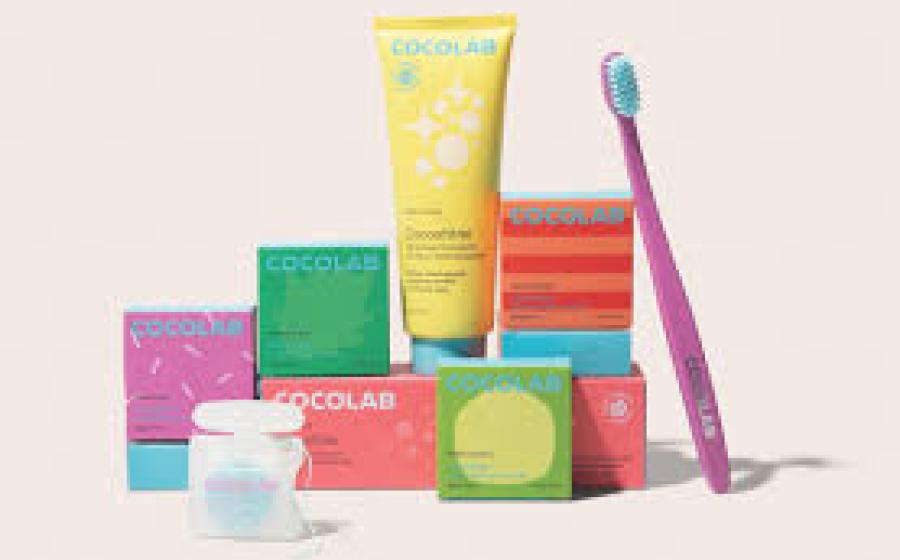

Oral wellness brand Cocolab pairs dentist-designed performance with a sensory-driven packaging aesthetic and planet-minded materials to turn daily oral care into a joyful ritual.
Flossing may be one of the most recommended habits in oral care, but it’s rarely one people look forward to. According to Catherine “Cat” Cu, it was this reality that inspired her and her sister, dentist Chrystle Cu, to launch oral care company Cocolab. Their goal was to rethink oral care through a combination of clinical performance, sensory appeal, and thoughtful product and packaging design.
The idea grew out of Dr. Cu’s experience in dental practice. “My sister, Crystle, had been practicing dentistry for eight years and was frustrated that so few patients cared about flossing,” says Cat Cu. “We noticed a disconnect. Patients feared the dentist and struggled with gum disease, yet no one cared about the one habit that could prevent it. More than half of cavities form between teeth, the exact place brushing can’t reach and flossing matters most.
“While my sister was toiling in the dental practice, I had left my job in finance to start an online art company. As I struggled to get traction, Crystle urged me to look at the floss problem with her. We asked ourselves a question: Could we get people to floss if we made it irresistibly joyful and rewarding? We teamed up on this challenge, and Cocolab was born.”
The San Francisco-based company launched in 2015 with its first product, Cocofloss, a woven dental floss designed to clean more effectively while delivering a sensory experience that feels closer to a beauty or lifestyle brand than traditional oral care. Today the company’s portfolio includes floss, toothbrushes, toothpaste, and children’s products designed to work together as part of Cocolab’s SmileCare System. Each product combines clinical performance with sensory details, such as bold product fragrances—for example, Delightful Mint, Young Coconut, and Wild Strawberry—and soft-bristle toothbrushes, intended to encourage consistent use.
From the beginning, the founders embraced distinctive packaging that blends vibrant graphics with sustainability-minded materials. In the early days, Cat Cu designed all the brand’s packaging. Today the company has an in-house creative team and works with independent copywriters, photographers, designers, artists, and agencies, as well as the creative team at Wedge.
The brand’s visual language departs from the traditional clinical aesthetic of the oral care aisle, leaning instead toward the bold colors and expressive graphics more often associated with beauty and lifestyle brands. That approach is intentional. “Our design expresses a simple belief. Oral care should feel like joy, not obligation,” Cat Cu says.
Color plays a central role in creating that feeling. The palette, which Cu describes as “dental dopamine,” uses bold, warm hues meant to spark delight and curiosity while still signaling freshness and dentist-designed trust. The typography and logo design follow the same philosophy, with the system blending modern clarity with subtle personality. Clean, confident letterforms communicate performance, while small expressive details add charm and approachability.
Together, these elements shift how consumers interact with oral care products at home. Rather than being hidden away in a drawer or cabinet, the packaging is designed to feel worthy of display. “The system reframes oral care as something you’re proud to display—high-performance products that look beautiful, feel joyful, and elevate daily rituals,” says Cat Cu.
Material selection is another defining element of Cocolab’s packaging strategy. As the company has grown, it has placed increasing emphasis on environmental responsibility. “At Cocolab, our goal is to help folks achieve better health, and we can’t do this without considering the health of our planet,” says Cat Cu. “A healthy mouth supports a healthy body, and both depend on a healthy planet.”
To reduce its environmental footprint, the company incorporates a range of more sustainable materials across its packaging and product components. Recycled ocean-bound plastics are used where durable plastic parts are required, including toothbrush handles and toothpaste tubes. FSC-certified paper is used for cartons and printed packaging, while compostable materials replace polybags used to merchandise and transport products.
Another strategy is the use of refillable formats. Cocofloss refills allow consumers to reuse the primary dispenser rather than discarding it after a single use. The refill system has become one of the brand’s most popular offerings while also significantly reducing packaging waste and emissions.
Some of the company’s recycled plastic components are sourced through Oceanworks, which collects plastic waste from coastal regions where it’s at risk of entering marine ecosystems. The material is sorted, sanitized at high temperatures, washed, and pelletized before being molded into toothbrush handles at a manufacturing facility in Switzerland.
According to Cat Cu, the use of these materials introduces additional complexity, particularly in oral care where components must meet strict regulatory requirements for food contact. To meet those standards, Cocolab collaborates with material suppliers and manufacturing partners to ensure safety, compatibility, and consistent performance.
Cost presents another challenge, since verified recycled and ocean-bound plastics are typically more expensive than conventional virgin resins. Rather than compromise, the company has made those materials part of its broader product narrative. As Cat Cu explains, the brand integrates these choices directly into its product identity and value proposition.
To communicate the sustainability features of its packaging, Cocolab uses simple icons and visual cues on-pack. QR codes and digital channels provide additional detail for consumers who want to learn more about the materials used and how to properly recycle or dispose of them. The brand also partners with organizations such as PACT Collective and TerraCycle to provide recycling options for harder-to-process beauty and personal care packaging.