




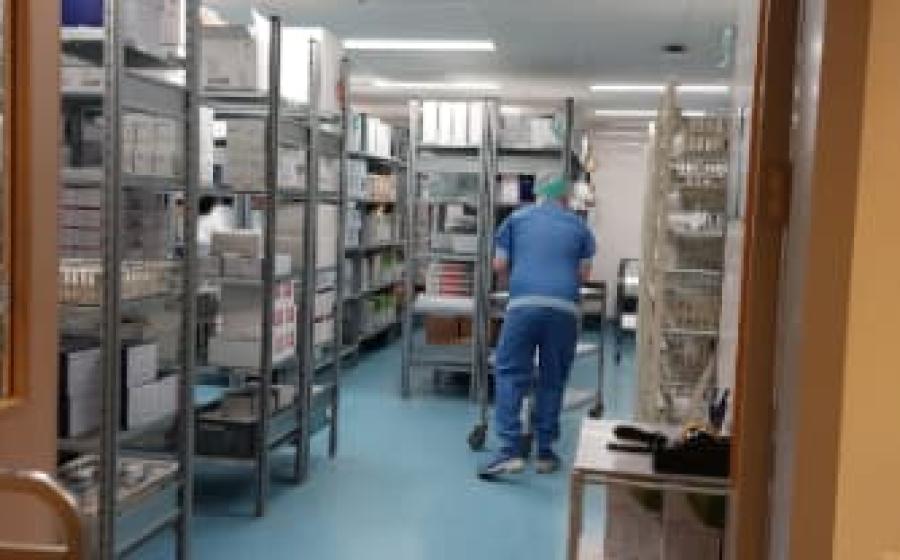

Sterile medical devices play a critical role in ensuring safe and effective patient care. However, maintaining their sterility from the point of manufacture to the operating room is a complex process that relies on carefully controlled packaging, handling, transportation, and storage systems.
Hospitals follow structured protocols and rely on advanced packaging solutions to preserve device integrity and protect patient safety. This article explores the journey of a sterile medical device within a typical European hospital and highlights how healthcare systems are increasingly balancing safety with sustainability.
Understanding the Triple Packaging Principle
At the heart of sterile medical logistics lies the triple packaging principle, where each layer serves a distinct and critical function:
- Transport Packaging – Safeguards products during shipping and external logistics.
- Distribution Packaging – Supports safe internal handling and storage within the hospital.
- Sterile Barrier System – The innermost layer that ensures the device remains sterile until use.
Each layer corresponds to different contamination risks and environmental conditions throughout the hospital workflow, ensuring that sterility is never compromised.
The Hospital Journey: Step-by-Step
1. Delivery and Inspection
The process begins as soon as devices arrive at the hospital. Staff conduct detailed checks for damage, verify shelf life, and ensure all regulatory information is intact. Barcode systems enable seamless tracking across logistics and patient records.
2. Stock Storage
Devices are initially stored in their transport packaging. While sterile and non-sterile items may share storage areas, strict separation and hygiene protocols are enforced. Packaging must be kept off the floor, away from walls, and protected from contamination risks.
3. Transition to Central Sterile Storage
Before entering highly controlled sterile storage areas, outer transport packaging is removed to minimize contamination. Devices are then stored in their distribution packaging, typically for a short duration before use.
These environments maintain positive air pressure and HEPA filtration, with access restricted to trained personnel following strict hygiene protocols.
4. Internal Distribution
Devices are transported to various departments using dedicated containers. Just before use, distribution packaging is removed in controlled preparation zones—often under laminar airflow—to further reduce contamination risks.
5. Point of Use
The final sterile barrier is only opened in the operating room at the moment of use. Throughout the process, packaging integrity and sterility expiration are continuously monitored to ensure maximum patient safety.
Sustainability: A Growing Imperative
While each packaging layer is essential for safety, it also contributes significantly to healthcare waste. Hospitals across Europe are increasingly recognizing their role in addressing this challenge.
Key sustainability concerns include:
- Complex, multi-material packaging that is difficult to recycle
- High volumes of air-filled packaging, leading to inefficient transport
- Limited recycling infrastructure for medical-grade plastics
In response, hospitals are exploring innovative solutions such as:
- Improved recycling systems for materials like polypropylene
- Adoption of reusable sterilization containers
- Encouraging manufacturers to design more circular and sustainable products
Initiatives like national healthcare “green deals” and hospital-led sustainability programs are accelerating this shift toward environmentally responsible practices.
Balancing Safety and Sustainability
The journey of a sterile medical device highlights a critical tension within modern healthcare: the need to maintain uncompromised sterility while reducing environmental impact.
As hospitals, manufacturers, and policymakers collaborate, the future of healthcare packaging will depend on innovative solutions that align patient safety with sustainability goals. Achieving this balance will be one of the defining challenges—and opportunities—for the healthcare industry in the years ahead.