



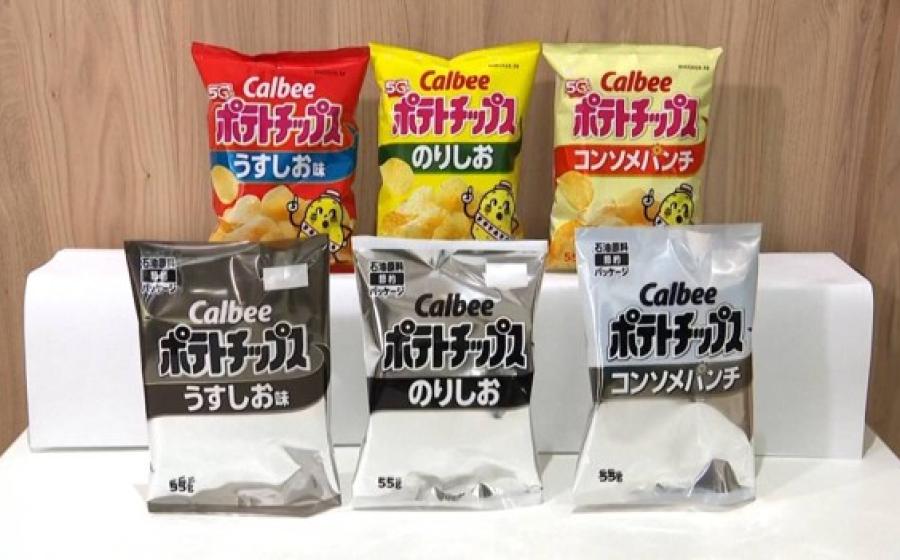

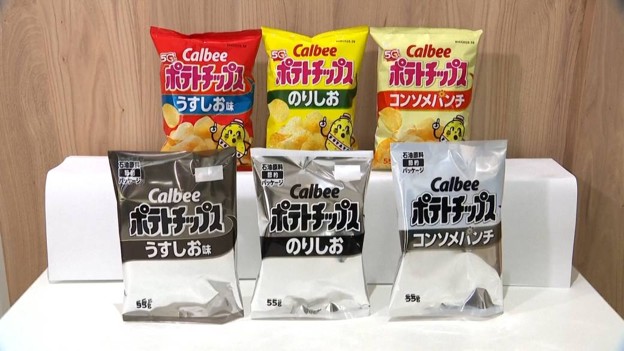
The packaging industry is at war. Not a metaphorical skirmish over shelf space or a quiet rivalry between brand teams, but a full-scale battle over resources, costs, and sustainability commitments that is reshaping how products reach consumers. At the heart of this conflict is something surprisingly small: ink.
In recent years, the packaging sector has faced a confluence of pressures that has turned decorative printing into a genuine liability. Supply chain disruptions, volatile raw material prices, tightening environmental regulations, and brand pledges to reduce waste have all converged to make one thing clear: using less ink is no longer just an aesthetic choice. It is a strategic imperative.
The Cost of Color
Ink is not cheap, and it never was. But in the current climate, the cost pressures are amplified. Petroleum-based inks depend on crude oil derivatives, meaning their prices swing with every geopolitical tremor and supply disruption. When global logistics seize up, as they have repeatedly in recent years, ink pigments and resins become harder to source and more expensive to procure. Brands that once treated print coverage as a free variable in packaging design are now having to account for it in their sustainability budgets and bottom lines alike.
There is also the issue of recyclability. High ink loads on packaging, particularly on flexible films and multi-material structures, can impede the recycling process. Deinking is technically possible, but it adds cost and complexity to an already strained recycling infrastructure. As brands face pressure from regulators and consumers to improve end-of-life outcomes for their packaging, excessive ink coverage is increasingly seen as part of the problem.
Design That Does More With Less
The good news is that restraint in ink use does not have to mean sacrifice in brand presence. Some of the most compelling packaging on shelves today uses minimal print coverage to create a sense of confidence and quality. White space, spot color, and natural substrate textures can communicate as powerfully as dense full-bleed designs, often more so.
Designers working within ink-reduction mandates are discovering that limitations often drive innovation. Reducing a design from four-color process to a two-color approach forces teams to think more carefully about hierarchy, typography, and form. The result can be packaging that is cleaner, more legible, and more memorable than its ink-heavy predecessors. Brands that embrace this shift early are positioning themselves as leaders in a space that will only become more important.
Practical Steps for Reducing Ink Consumption
For packaging teams looking to reduce ink use without compromising brand integrity, several approaches are proving effective. Switching from process printing to spot color systems reduces ink layers and often improves color consistency. Choosing substrates with better printability means less ink is needed to achieve the same visual density. Auditing existing designs for unnecessary print coverage, such as dark background panels that serve no functional purpose, can yield immediate savings.
Digital printing technologies also offer a path forward. Unlike conventional offset or flexographic presses, digital systems apply ink only where it is needed, eliminating makeready waste and enabling on-demand production that reduces overruns. While digital printing has historically been better suited to short runs, advances in speed and substrate compatibility are making it a viable option for mainstream packaging volumes.
A War Worth Winning
The packaging industry’s war on excessive ink use is not simply about cutting costs, though that matters. It is about rethinking a set of assumptions that developed when resources seemed unlimited and environmental consequences were someone else’s problem. Those assumptions no longer hold.
Brands that treat ink reduction as a constraint will struggle. Those that treat it as a design brief will find opportunity. The packaging that earns loyalty in the years ahead will not necessarily be the loudest on the shelf. It will be the most considered, the most honest, and the most efficient. In a crowded marketplace shaped by cost pressures and sustainability demands, doing more with less is not a compromise. It is a competitive advantage.