



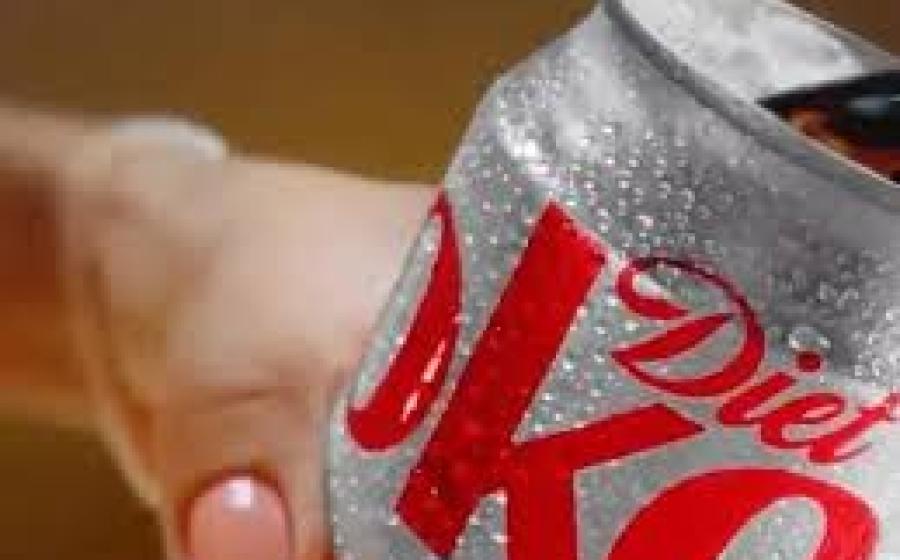

The US-Iran war has exposed supply chain fragility as India’s Diet Coke shortage highlights risks of single packaging reliance and aluminium can shortages
Of all the impacts on supply chains during the conflict in the Middle East, India’s abrupt shortage of Diet Coke might be one of the most surprising. But should it be?
Disruption from the Iran war has hit global energy supplies hardest. But while oil and gas flows have dominated headlines, the latest shock has exposed a less obvious vulnerability: the movement of industrial materials such as aluminium.
Aluminium is a critical input for packaging across multiple consumer sectors, and the Gulf accounts for around 9% of global aluminium production.
As shipping routes and cargo movements have been restricted, supply chains reliant on that production have felt the strain. Aluminium is among the materials caught in the disruption.
As a consequence, Diet Coke has become increasingly difficult to find in several cities in India, not because of a shortage of ingredients or demand, but due to a lack of aluminium cans.
Coca-Cola’s supply in the country has been constrained as shipments of cans are delayed or reduced, forcing the company to ration stock and prioritise distribution.
It may appear a niche problem but it exposes a very real illustration of supply chain structural weaknesses.
Unlike many other drinks in India, Diet Coke is predominantly sold in cans, with limited or no availability in alternative packaging formats such as PET bottles or glass.
India is a major growth market for Coca Cola. According to Reuters, it recorded sales of 50 billion rupees (US$533m) in 2024-25, its highest since at least 2021.
Is this aluminium's 'black swan' event?
India's reduced-sugar food and beverage market will be worth US$4.7bn by 2030, more than double its size from 2023, Grand View Research says.
More importantly for supply-chain professionals, this reliance on a single packaging type has left the product exposed to disruption in one specific input, turning a manageable supply shock into a visible consumer shortage.
Nick Snowdon, Commodities Analyst at Mercuria, says via the Canadian Mining Report: “The scale of the supply shock we’re seeing in the aluminium market is probably the largest single supply shock a base metals market has suffered in the post-2000 era.
“We are already in a ‘black swan’ event. No one could have foreseen something on this scale.”
Goldman Sachs Commodity Specialist James McGeoch is quoted in the report: “[It is] Hard to think of a bigger metal supply shock.”
Could we see similar such examples, even if the immediate conflict is resolved?
The lesson extends well beyond soft drinks. Over the past decade, companies have streamlined operations to improve efficiency, often reducing complexity in packaging, sourcing and production.
While this approach lowers costs and simplifies logistics, it can also remove critical layers of resilience. When a supply chain depends heavily on one material, one route or one format, it becomes more vulnerable to external shocks.
Lessons of the aluminium shortage
The aluminium shortage highlights how these risks can materialise. A disruption in one region, the Middle East, has quickly cascaded through global networks, affecting not only beverages but also other sectors reliant on canned packaging, including food and personal care products.
As companies compete for limited supply, costs rise and lead times extend, creating further pressure across value chains.
The situation raises important questions for supply chain professionals. Should businesses prioritise flexibility over efficiency when designing packaging strategies?
Is it time to revisit dual sourcing or invest in alternative formats that can be activated during disruption? And how can organisations better anticipate the indirect effects of geopolitical events on materials that are not typically seen as strategic?
There are no simple answers, but the direction of travel has been clear for some time. Alarm bells regarding aluminium supply in the US rang long before war in the Middle East.