




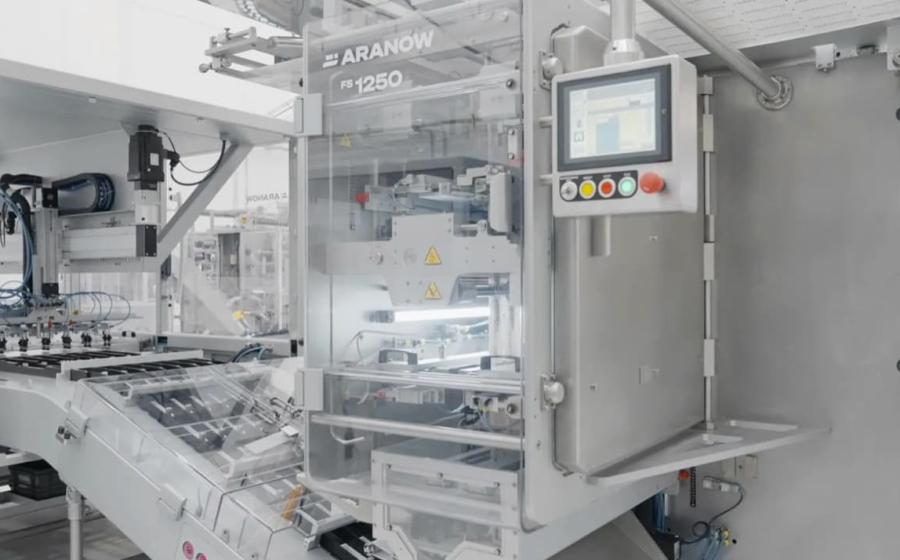

In today’s fast-evolving pharmaceutical industry, packaging is no longer just a protective layer—it plays a critical role in dosage accuracy, product safety, compliance, and consumer convenience. Among the various packaging formats available, flat sachet packaging has emerged as a highly efficient and reliable solution, supported by advanced machinery designed for precision and scalability.
What is Flat Sachet Packaging?
Flat sachets are four-side sealed, flexible pouches that are typically thinner and more compact than stick packs. These sachets are designed to hold precise quantities of pharmaceutical products such as powders, granules, liquids, gels, tablets, and creams.
Their structure ensures airtight sealing, making them ideal for applications where product integrity and hygiene are critical.
Why Flat Sachet Machinery is Ideal for Pharmaceuticals
1. High Accuracy and Precision
Modern flat sachet machines are equipped with advanced dosing and weighing technologies that ensure exact product quantities in every pack. This level of accuracy is essential for pharmaceuticals, where even minor deviations can impact patient safety.
2. Superior Product Protection
The hermetic sealing of sachets helps maintain the stability and effectiveness of medicines. Airtight packaging prevents contamination, moisture ingress, and degradation, ensuring that the product reaches the consumer in optimal condition.
3. Compliance with Regulatory Standards
Pharmaceutical packaging must meet strict global regulations. Flat sachet machines are designed to support traceability, data integrity, and consistent quality, aligning with regulatory requirements for safe and reliable packaging processes.
4. Versatility Across Product Types
One of the biggest advantages of these machines is their ability to handle multiple product formats from powders and granules to liquids and semi-solids on the same system.
This flexibility makes them highly valuable for pharmaceutical manufacturers dealing with diverse product portfolios.
Efficiency and Automation Advantages
High-Speed Production
Flat sachet machines are designed for high productivity, capable of producing hundreds of sachets per minute depending on configuration.
Reduced Downtime
Quick format changeovers and user-friendly controls allow manufacturers to switch between product types or pack sizes with minimal interruption, improving overall operational efficiency.
Integration with Secondary Packaging
These systems can be seamlessly integrated with cartoning and secondary packaging lines, enabling a fully automated workflow from filling to final packaging.
Space and Cost Efficiency
With a compact footprint and low maintenance requirements, flat sachet machinery helps reduce operational costs and floor space usage, making it suitable for both large-scale and mid-sized production facilities.
Design Flexibility and Customization
Flat sachets offer excellent opportunities for customization in shape, materials, and opening features. Manufacturers can adapt designs to improve usability, branding, and patient convenience.
Additionally, the format allows printing on both sides, providing sufficient space for essential information such as dosage instructions, ingredients, and compliance details.
The Role of Automation in Modern Packaging
Automation is reshaping pharmaceutical packaging lines. Flat sachet systems today are often part of integrated, end-to-end solutions, combining filling, sealing, inspection, and cartoning.
This not only improves efficiency but also ensures consistent quality and traceability, which are critical in regulated industries.
Challenges to Consider
While flat sachet packaging offers many benefits, there are a few limitations:
- Environmental concerns due to multi-layer materials used in flexible packaging
- Limited volume capacity compared to larger packaging formats
- Potential increase in single-use packaging waste if sustainability is not addressed
Flat sachet packaging machinery represents a powerful combination of precision, efficiency, and flexibility, making it an ideal choice for the pharmaceutical industry.
As demand grows for unit-dose packaging, improved safety, and faster production cycles, these machines are set to play a crucial role in shaping the future of pharmaceutical packaging delivering both operational excellence and enhanced patient convenience.