




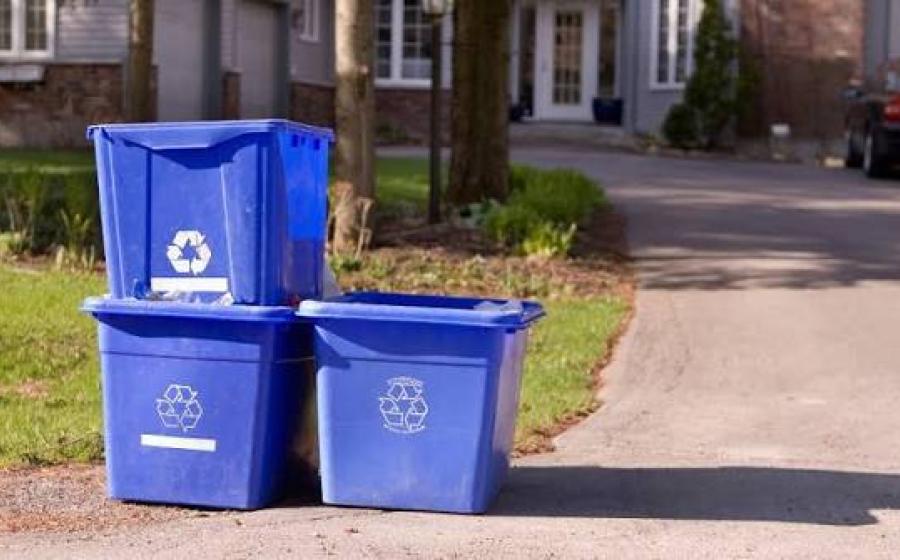

According to PRO Circular Materials, 287 communities across the province have gained access to expanded and producer-managed recycling services.
On Oct. 1, Alberta, Canada, fully transitioned to an extended producer responsibility (EPR) residential recycling program for single-use packaging and paper products, marking a major shift in how recycling is managed and funded across the province.
According to Circular Materials, which serves as the producer responsibility organization (PRO) implementing the program in Alberta, the new system will reduce costs for municipalities and taxpayers and enable a more coordinated, efficient recycling system across the province that will help improve recycling rates and environmental outcomes.
Under Alberta’s framework, the producers that supply single-use packaging and paper products, including familiar consumer brands and retailers, now are financially and operationally responsible for collecting, recycling and managing these materials. With this shift, Circular Materials says producers now cover approximately $110 million in annual costs that previously were funded by municipalities and taxpayers. The PRO says it is committed to delivering efficient and effective recycling systems that are designed to improve consistency, expand access and strengthen recycling outcomes.
“Alberta’s transition to extended producer responsibility marks a major advancement for recycling and the circular economy in the province,” Circular Materials CEO Allen Langdon says. “By shifting responsibility for recycling to producers, Alberta is creating a more sustainable and efficient system that will drive investment in recycling infrastructure, improve recycling rates and help keep valuable resources in circulation. Thank you to government, community partners and leaders who helped make this milestone a reality.”
A total of 287 communities will be part of the program, including 104 communities that will begin receiving curbside recycling service for the first time. Circular Materials says depos also will continue to be an important part of Alberta’s recycling system, with more than 500 depots across the province, including 33 community depots receiving single-use packaging and paper product recycling bins for the first time.
As of Oct. 1, 97 percent of all Alberta communities will participate in the EPR program, and residents in participating communities will have access to an expanded provincewide list of accepted materials. Circular Materials says residents will be able to recycle the same and even more materials curbside and at depots no matter where they live across the province. The new recyclables list will include glass containers, foam packaging, flexible plastic packaging, aerosol containers and laminated paper and plastic packaging.
“We are proud to work alongside municipalities, producers, Indigenous communities and service providers to deliver an advanced recycling system that increases recycling rates, reduces waste sent to landfill and delivers stronger environmental outcomes for Albertans for years to come,” says Blaire Gaalaas, managing director of Alberta for Circular Materials. “We look forward to delivering an efficient and effective system that will make recycling easier for Albertans, helping to advance a more sustainable future.”
Additionally, the PRO says participating communities will operate under a single-stream recycling system, allowing residents to place all accepted recyclable materials into a single recycling container. To support the single-stream system and expanded materials list, Circular Materials says it is working with partners to develop state-of-the-art preconditioning recycling facilities, or PCFs, in Edmonton and Calgary, set to open in early 2027. The PCFs will increase material recovery, improve sorting accuracy and material quality and ultimately ensure more material can be returned to producers for use as recycled content in new products and packaging.
“This is an incredible milestone for our province, made possible by partners across government and industry coming together with a shared commitment to building a more robust recycling system and circular economy,” says Ed Gugenheimer, CEO of the Alberta Recycling Management Authority. “Extended producer responsibility is both an environmental and economic opportunity: better managing materials at the end of their life reduces the burden on taxpayers, creates jobs, supports businesses and attracts investment.”