





Packaging has traditionally been judged by what it does before the product reaches the consumer: protect it, preserve it and transport it safely.
But what happens when the consumer actually uses it?
That is where the next wave of packaging innovation is increasingly taking place.
SIG is exploring this shift with its StrawCap 30 Linked, a spout solution designed to integrate a drinking straw directly into a pouch. The concept is simple, but its potential reaches far beyond simply replacing a conventional cap or adding another feature to a flexible pack.
When Packaging Becomes Part of the Experience
The modern consumer does not always consume products at a table.
Drinks are carried to work, taken to the gym, packed into school bags and consumed while travelling. As lifestyles become increasingly mobile, packaging needs to do more than contain a product—it needs to work effortlessly in the moments when consumers actually use it.
SIG's StrawCap 30 Linked addresses this challenge by combining a lightweight tethered closure with an integrated straw. Instead of requiring a separate straw, consumers can drink directly from the pouch through an integrated solution. The tethered design also keeps the closure attached to the pack.
It is a small design intervention, but one that changes the interaction between the consumer and the package.
The innovation is not necessarily in adding more packaging—it is in removing unnecessary steps from the consumption experience.
One Format, Multiple Possibilities
The potential of the straw-spout concept extends across several product categories.
For flavoured milk, juices and functional beverages, an integrated straw can make single-serve packs easier to consume on the move.
In nutraceutical applications, portability and ease of use can become important elements of the overall consumer experience.
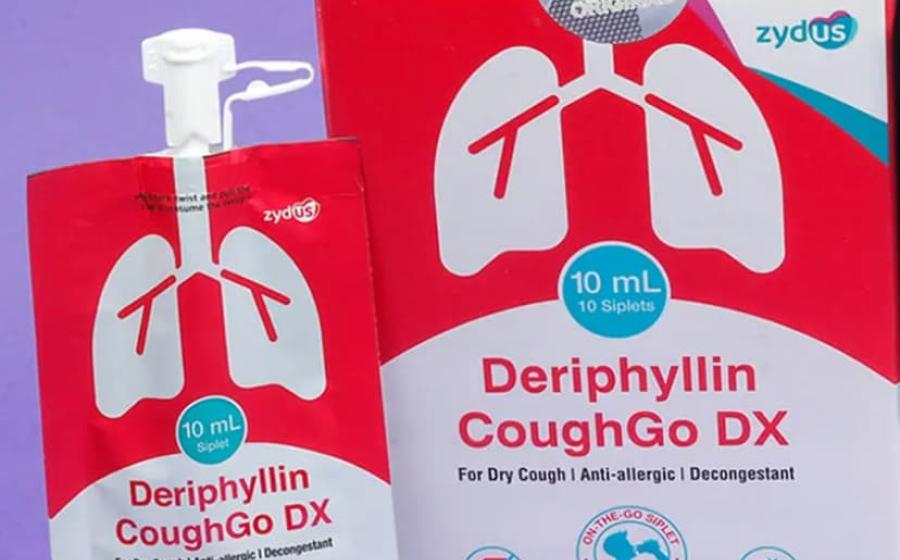
SIG also identifies potential pharmaceutical applications, where the format can combine precision, tamper evidence and easier administration in a single pouch-based solution.
This versatility is particularly interesting because it demonstrates how a packaging innovation does not have to be developed for just one product category.
Instead, the same interaction—the ability to open, drink and move on with minimal effort—can be relevant across very different markets.
The Rise of “Experience-Led” Packaging
For years, packaging innovation was largely focused on material reduction, shelf life, barrier performance and manufacturing efficiency.
Those factors remain essential.
But another question is becoming increasingly important:
How does the packaging make the consumer feel while using the product?
Does it open easily?
Can it be used with one hand?
Does it eliminate unnecessary accessories?
Can it travel conveniently?
Does it create a more intuitive interaction?
The answers to these questions can increasingly influence how consumers perceive the product itself.
SIG's straw-spout concept reflects this broader movement toward experience-led packaging, where the package becomes an active part of the product proposition rather than simply its container.
Small Component, Significant Impact
Closures and fitments are often among the smallest components of a package.
Yet they can have an outsized influence on the overall user experience.
A difficult-to-open cap can frustrate a consumer. A poorly designed spout can create mess. A separate straw adds another component to manage.
By integrating these functions into one system, the StrawCap 30 Linked demonstrates how packaging innovation can sometimes come from rethinking the smallest point of interaction.
The innovation also reflects the growing importance of tethered closures, which keep the closure connected to the pack rather than allowing it to become separated during use or disposal.
From Protecting Products to Enabling Moments
Perhaps the biggest shift here is philosophical.
The future of packaging may not be defined solely by:
What does this package protect?
It may increasingly be defined by:
What does this package enable?
SIG's StrawCap 30 Linked points towards a future where pouches are designed not just around filling lines and shelf life, but around real-life moments of consumption.
A child drinking milk on the way to school.
A consumer grabbing a functional beverage after a workout.
A traveller carrying a convenient single-serve drink.
A patient using a product designed for easier administration.
Different products. Different consumers.
But potentially, the same packaging principle:
Make the experience simpler.
The Bigger Innovation
The real innovation may not be the straw itself.
It is the shift in thinking behind it.
As consumer expectations rise, packaging will increasingly compete not only on appearance or sustainability claims, but on how naturally it fits into everyday life.
And sometimes, the biggest innovation is not a completely new package.
Sometimes, it is simply a better way to take the next sip.