



British sustainable packaging innovator Frugalpac has introduced a new high-speed manufacturing system designed to significantly scale the production of its paper-based Frugal Bottles, marking a major step forward for low-carbon packaging in the global drinks industry.
The launch comes at a time of increasing environmental urgency. The World Meteorological Organization has recently warned that the Earth’s climate is becoming increasingly imbalanced due to rising greenhouse gas emissions, placing additional pressure on industries to adopt sustainable solutions.
A Step Change in Production Capacity
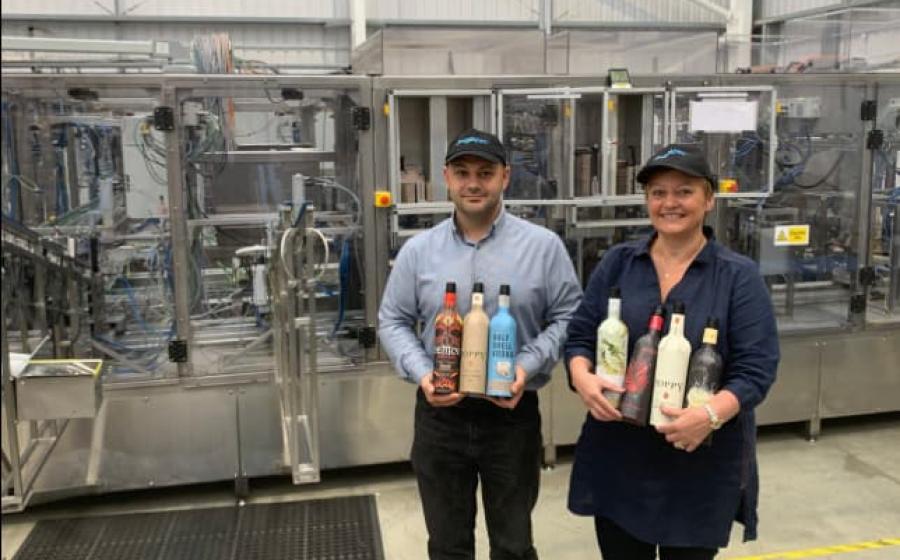
At the centre of this development is the Frugal Bottle Assembly Machine 2 (FBAM-2), a scalable platform capable of producing up to 14 million bottles annually—more than five times the output of its predecessor.
Designed for installation at bottling plants and packaging facilities worldwide, the FBAM-2 enables localized production, allowing bottles to be manufactured closer to filling lines. This reduces logistics costs, carbon emissions, and supply chain risks while offering flexible production volumes through its multi-lane configuration.
First launched in 2020, the Frugal Bottle remains the world’s only commercially available paper bottle for wines, spirits, and edible oils. Made from 100% recycled paperboard, it delivers up to 84% lower carbon emissions compared to traditional glass bottles.
Driving Cost Efficiency Alongside Sustainability
Beyond environmental benefits, the FBAM-2 also improves economic viability. The new system reduces production costs of the Frugal Bottle by up to 30%, bringing it to parity—or even below—the cost of labelled glass bottles.
With rising global energy prices and increasing pressure on margins, this positions paper bottles not only as a sustainable alternative but also as a commercially attractive option for brands.
Breaking the Glass Bottleneck
The introduction of FBAM-2 represents a critical breakthrough for the drinks sector, where demand for low-carbon packaging has been growing but limited by manufacturing capacity.
Until now, scaling paper bottle adoption has been constrained by production limitations. The new system removes this barrier, enabling:
- Large-scale brand adoption
- Multi-market product rollouts
- Seamless integration into existing bottling operations
Industry Facing Mounting Pressure
The timing of this innovation is significant. Glass production relies on furnaces operating at approximately 1,500°C, often powered by fossil fuels, making it both energy-intensive and costly.
At the same time, evolving regulations such as Extended Producer Responsibility (EPR) are increasing the financial burden of environmentally intensive packaging materials, with glass among the most affected.
Retailers are also scrutinizing packaging more closely. Alcoholic beverages alone account for roughly one-third of supermarket packaging emissions, driven largely by glass usage.
Environmental Impact: Paper vs Glass
Independent Life Cycle Assessments conducted by Intertek highlight the environmental advantages of paper bottles:
- 84% reduction in weight (440g to 70g)
- 84% lower carbon footprint
- 76% lower water usage
- Significantly higher recycled content
Each Frugal Bottle saves approximately 348g of CO₂ emissions, with over 1,392 tonnes of CO₂ already avoided from the 4 million bottles produced to date.
Changing Consumer Expectations
Consumer sentiment is also shifting rapidly. A 2023 study by Shorr Packaging found that 73% of consumers are willing to switch brands for more sustainable packaging, with Gen Z and Millennials leading this trend.
Packaging is no longer just a functional or aesthetic choice—it has become a visible indicator of a brand’s environmental commitment. Lightweight, recyclable materials such as paper are gaining increasing acceptance and trust.
Enabling a Distributed Manufacturing Model
The FBAM-2 supports a distributed manufacturing approach, allowing bottles to be assembled near filling sites. Early adopters such as Monterey Wine Company and KinsBrae Packaging are already implementing this model.
This approach reduces “packaging miles,” minimizes breakage, and enhances supply chain resilience—key advantages in a volatile global logistics environment.
A Lighter Future for Packaging
According to Frugalpac leadership, the FBAM-2 represents a turning point for the industry.
J.P. Grogan, Product Director, described the system as “the industrial rollout the mass market has been waiting for,” highlighting its flexibility across product categories including wine, spirits, oils, and ready-to-drink beverages.
CEO Malcolm Waugh emphasized the broader shift underway: packaging decisions are increasingly climate-driven, and traditional materials like glass are no longer seen as neutral.
With growing regulatory pressure, rising costs, and evolving consumer expectations, the packaging landscape is undergoing a fundamental transformation.
The launch of FBAM-2 positions Frugalpac at the forefront of this shift—offering a scalable, cost-effective, and low-carbon alternative that could redefine how beverages are packaged and distributed globally.
The message is clear: the future of packaging is lighter, smarter, and more sustainable.