



Big changes are happening in the snack aisle and not just with flavors. As we head into 2025, one of the biggest shifts is happening in the packaging industry. Sustainable snack packaging is no longer a niche idea; it’s becoming the new standard. With stricter regulations, growing environmental concerns, and more conscious consumers, brands are being pushed to rethink how they wrap their products.
In this blog, we’ll break down the key trends shaping this shift, the hurdles brands are facing, and how companies like TIPA are helping lead the way.
Why Sustainable Snack Packaging Matters More Than Ever
Packaging for snacks is crafted to ensure product freshness, ease of use, and visual appeal. Popular formats include flexible plastic pouches, stand-up bags, and paper-based options, often featuring resealable closures for added convenience. The choice of materials and design depends on factors like snack type, desired shelf life, and consumer preferences. Increasingly, eco-friendly alternatives such as compostable films and recyclable paper are being used to reduce environmental impact.
Snack packaging has a reputation, not a good one. Most conventional wrappers are made from multi-layer plastics that are hard (or impossible) to recycle. They’re light and effective, but they stick around in landfills and oceans for centuries.
Consumers are catching on. A recent survey found that over 70% of snack buyers prefer brands that use environmentally friendly packaging. At the same time, governments around the world are pushing to phase out single-use plastics.
For brands, making the switch to sustainable packaging isn’t just the ethical choice- it’s becoming a business necessity.
Key Trends in Sustainable Snack Packaging for 2025
Compostable Packaging Moves to the Mainstream
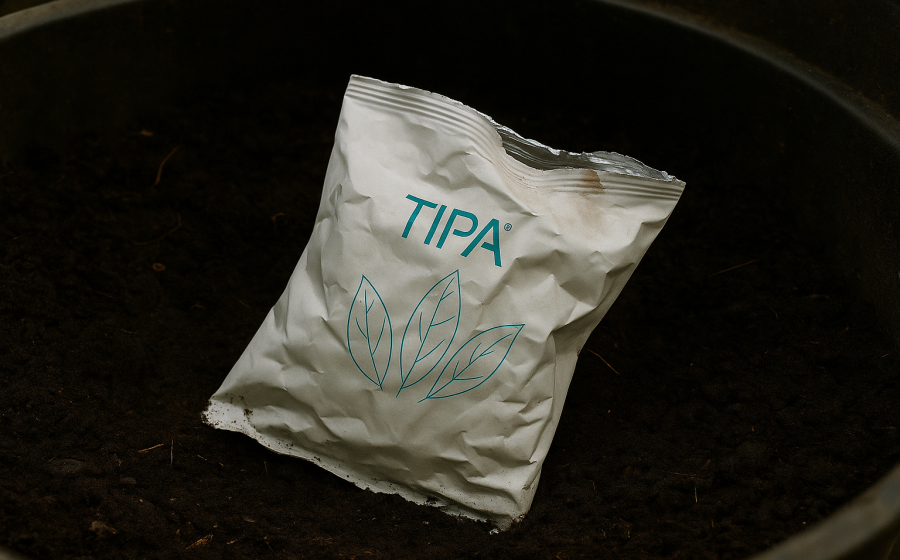
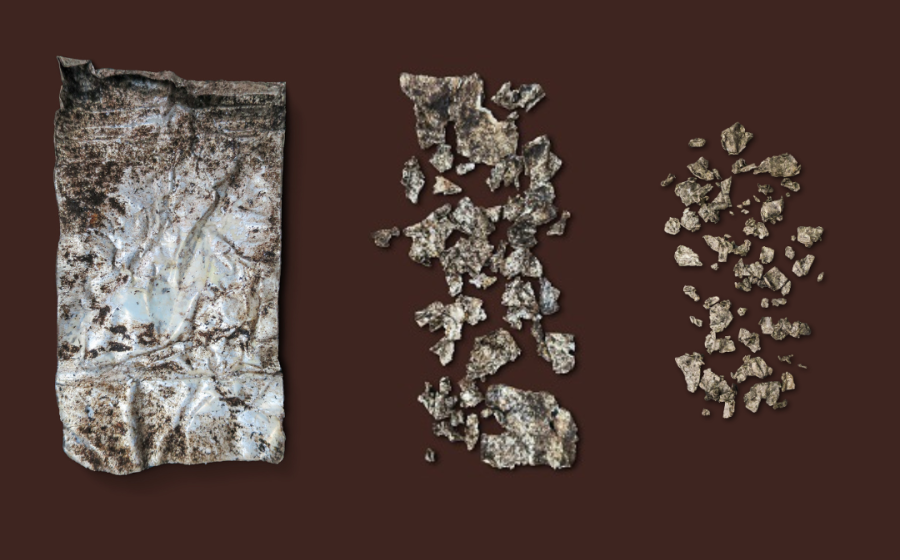
What was once an alternative is now going mainstream. More snack brands are turning to certified compostable materials-like those developed by TIPA-to reduce their environmental impact without sacrificing performance.
TIPA’s compostable films provide high-barrier protection to keep snacks fresh, crunchy, and shelf-stable. They’re printable, sealable, grease-resistant, and work with standard packaging machines, making the shift much easier for manufacturers.
Simpler, Smarter Packaging
Many brands are cutting down on complexity-using fewer materials, fewer layers, and less ink. The result? Monomaterial designs that are easier to compost or recycle.
These minimalist formats don’t just look sleek; they support circular design and lower the environmental footprint. Think label-free wrappers and streamlined pouches that get the job done without the extras.
See-Through with a Purpose
Today’s shoppers like to see what they’re buying. Transparent packaging builds trust and shows off freshness-and now there are sustainable ways to do it.
From compostable windows in paper bags to fully transparent bio-based films, brands are finding ways to show off their products without compromising their values.
Smart Packaging Meets Sustainability
Technology is showing up in unexpected places-including snack bags. Brands are starting to use smart features like QR codes, digital freshness indicators, and oxygen scavengers to fight food waste and improve the customer experience.
In 2025, expect more snack brands to use packaging as a digital touchpoint for product info, sourcing stories, and post-purchase engagement.
Packaging TypeKey BenefitsMain Limitations
Paper-based packaging
- Perceived as natural and minimal
- Widely recyclable in many regions
- Often requires plastic lining to ensure shelf life
- Poor barrier performance for moisture and grease
Recyclable plastic
- Familiar to consumers
- Compatible with existing recycling systems (when clean and sorted properly)
- Rarely recycled in practice due to food contamination
- Still made from fossil-based materials
Compostable flexible packaging (e.g. TIPA)
- Certified to break down into organic matter
- Suitable for both dry and oily snacks
- Strong oxygen and moisture barrier
- Resembles conventional plastic in look and feel
- Sends a clear sustainability message to consumers
- Requires composting infrastructure (industrial or home, depending on the material)
- Limited availability in some markets
Overcoming Challenges in Sustainable Snack Packaging
Switching to sustainable packaging is a big step-and not without its challenges:
- Cost: Compostable and recyclable materials often come with a higher price tag.
- Performance: Not every material holds up well against moisture and oxygen.
- Supply chain: Sourcing certified and scalable materials can take time.
But there are solutions. More brands are running lifecycle assessments to weigh the long-term ROI of compostable packaging. Material innovation is also catching up- TIPA, for example, offers thin compostable films with barrier properties on par with conventional plastic. And with early planning and phased rollouts, many of these hurdles become manageable.
Balancing Functionality and Sustainability in Snack Packaging
Sustainable packaging isn’t just about looking good on the shelf- it needs to perform:
- Barrier protection to maintain shelf life
- Product fit that matches specific needs (chips vs. cookies, for example)
- Convenience features like resealability and portion control
TIPA’s films are designed with these needs in mind, giving brands a compostable option that actually works.
What Consumers Are Looking For in Sustainable Snack Packaging
Here’s what recent data shows:
- 70 %+ of consumers prefer sustainable packaging
- Many are willing to pay more for it, especially Gen Z and Millennials
- Shoppers expect honest communication about a brand’s environmental efforts
Winning brands in 2025 will be the ones that don’t just make the switch-but also explain it clearly. That means certifications, clear disposal info, and storytelling that connects.