




In packaging development, the journey from an initial concept to a market-ready product can be both time-consuming and expensive. Before investing in molds, tooling and large-scale production, brands need confidence that the design not only looks appealing but also has the right shape, proportions and user experience.
This is where 3D-printed prototypes are becoming an increasingly valuable tool.
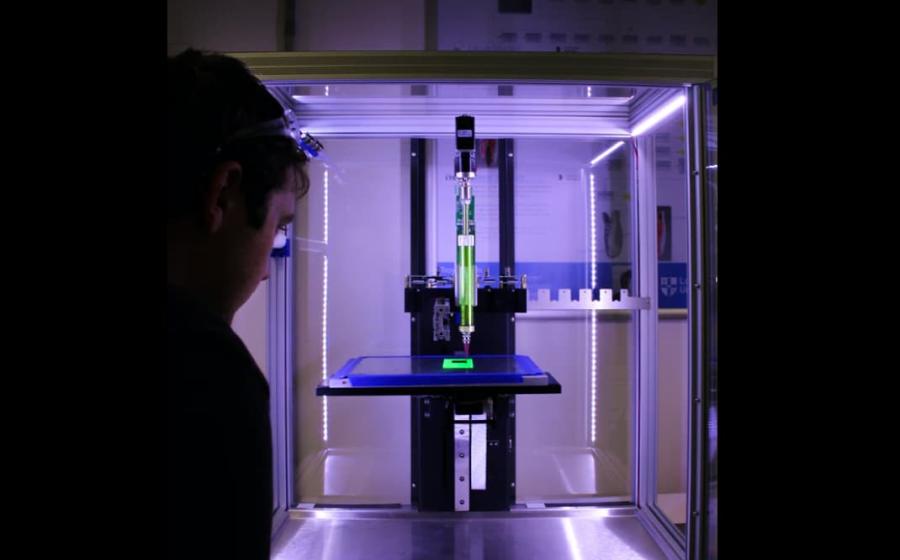
By converting a digital packaging design into a physical model, 3D printing allows development teams to evaluate concepts early, make changes faster and reduce the risk of costly modifications later in the project.
From Digital Concept to Physical Packaging
Packaging development often begins with sketches, CAD drawings or digital renderings. While these tools are essential, they cannot always provide the same understanding as holding an actual package in your hand.
A 3D-printed prototype bridges this gap.
It enables designers, packaging engineers, marketing teams and other stakeholders to physically assess:
- Overall shape and proportions
- Ergonomics and in-hand feel
- Size and shelf presence
- Design aesthetics
- Closure positioning and accessibility
- Compatibility with surrounding components or secondary packaging
This early-stage evaluation can help identify design concerns before significant investments are made in production tooling.
Accelerating the Packaging Development Cycle
One of the biggest advantages of 3D printing is speed.
Traditional prototype development may involve tooling or longer manufacturing lead times. In contrast, a 3D model can often be produced directly from a digital design, allowing teams to review concepts much earlier in the development process.
This creates a faster feedback loop:
Concept → Digital Design → 3D Prototype → Evaluation → Design Refinement → Tooling
Instead of discovering an issue after a mold has been manufactured, teams can identify and address potential problems while design changes are still relatively easy and cost-effective.
For companies managing multiple stakeholders, this can also make decision-making more efficient. A physical prototype provides a common reference point that is easier to evaluate than a technical drawing alone.
Where 3D-Printed Prototypes Add the Most Value
3D printing is particularly valuable during the early design and concept validation stage.
It is useful when a company is developing:
- A completely new bottle or container
- A unique structural packaging concept
- A new closure or dispensing system
- A custom-shaped package
- An innovative consumer experience
- A packaging format that needs ergonomic evaluation
For example, a brand developing a new personal care bottle may want to understand whether the package feels comfortable in the hand, whether the proportions appear premium and whether the closure is positioned correctly.
A 3D prototype can help answer these questions before committing to expensive production tooling.
What 3D Printing Cannot Replace
While 3D printing is a powerful development tool, it is important to understand its limitations.
A 3D-printed prototype is primarily designed to validate form and design intent. It should not automatically be considered representative of the final production package.
The material, surface finish, wall thickness, tolerances and mechanical properties of a 3D-printed part can differ significantly from a package produced through injection molding, blow molding, glass forming or metal manufacturing.
Therefore, a 3D-printed prototype should not be relied upon for critical evaluations such as:
- Product compatibility
- Barrier performance
- Stability testing
- Pressure resistance
- Drop testing
- Chemical resistance
- Production sealing performance
- Final dimensional validation
These tests should be carried out using samples produced through the intended manufacturing process.
The key question is simple:
If you want to know whether the package looks and feels right, a 3D prototype can be extremely useful. If you need to know whether it will perform correctly in real-world production and use, you need production-representative samples.
3D Printing as Part of a Structured Development Process
The most effective approach is to treat 3D printing as one stage within a broader packaging development process.
A typical journey may look like this:
1. Concept and Design Development
Initial ideas are converted into sketches, renders and CAD models.
2. 3D-Printed Prototype
The physical model is used to evaluate shape, appearance, proportions and ergonomics.
3. Design Refinement
Feedback from stakeholders is incorporated into the final design before significant tooling investment.
4. Pilot or Prototype Tooling
The design moves closer to the actual manufacturing process, allowing manufacturability and critical features to be assessed.
5. Production Tooling
Final molds and manufacturing tools are developed for commercial-scale production.
6. Pre-Production and Validation Samples
Production-representative samples are tested and approved before mass manufacturing begins.
By using 3D printing at the right stage, companies can reduce uncertainty without confusing a visual prototype with a fully validated production sample.
Improving Collaboration Across Teams
Packaging decisions rarely involve only the packaging department.
Marketing may focus on shelf appeal and brand identity. Product teams may evaluate usability. Procurement may consider manufacturing feasibility and cost. Quality and regulatory teams may need to assess technical requirements.
A physical prototype makes collaboration easier.
Instead of discussing a design only through technical drawings or digital renders, stakeholders can interact with the package directly. This often leads to faster feedback and clearer communication.
For global teams and complex development projects, prototypes can also help ensure that everyone is evaluating the same physical concept before the project moves forward.
Supporting Innovation Without Immediate Tooling Investment
One of the biggest challenges in packaging innovation is balancing creativity with investment risk.
Custom packaging can require significant expenditure on molds and tooling. If a design needs to be changed after tooling has been produced, additional time and cost may be involved.
3D printing provides an opportunity to explore and refine concepts before reaching that stage.
This makes it easier for brands to experiment with:
- Unconventional geometries
- Premium structural designs
- Improved ergonomics
- Differentiated dispensing concepts
- New consumer experiences
- Packaging redesigns and innovation projects
It does not eliminate the need for tooling, engineering or validation, but it can help teams enter those stages with greater confidence.
The Future of Packaging Prototyping
As 3D printing technologies continue to improve, their role in packaging development is likely to expand.
Advances in printing accuracy, materials and surface quality are making prototypes increasingly useful for design evaluation and stakeholder communication. For packaging professionals, this means faster concept development and more opportunities to identify potential issues before they become expensive production problems.
The future of successful packaging development will not depend on replacing traditional manufacturing processes with 3D printing. Instead, it will involve using each technology at the stage where it delivers the greatest value.
Conclusion
3D-printed prototypes are changing the way packaging concepts move from idea to reality.
They allow teams to transform digital designs into physical objects quickly, evaluate the look and feel of a package, improve collaboration and make design changes before major investments in tooling.
However, the greatest value comes from using the technology correctly.
A 3D prototype is an excellent tool for validating design intent, form and ergonomics. It is not a replacement for pilot tooling, production samples or functional testing.
When integrated into a structured packaging development process, 3D printing can help brands move faster, make more informed decisions and reduce the risk of costly changes later in the journey.
In modern packaging development, seeing a design on screen is no longer enough. Sometimes, the fastest way to make the right decision is simply to hold the idea in your hands.