



Argos Packaging challenges plastic waste with innovative eco-solutions. The European Union’s Packaging and Packaging Waste Regulation prompts Dutch company Argos Packaging & Protection to launch sustainable alternatives for fresh produce packaging. Their NoW Flowpack paper and new seaweed-based films aim to extend shelf life while meeting 2026 environmental mandates.
As the European Union enforces stricter regulations on single-use plastics through the Packaging and Packaging Waste Regulation (PPWR), Argos Packaging & Protection, a Dutch specialist, has introduced innovative solutions to meet these new environmental challenges. The company aims to lead a significant transformation in the fruit and vegetable sector by replacing conventional plastic nets and films with high-performance, bio-based alternatives.
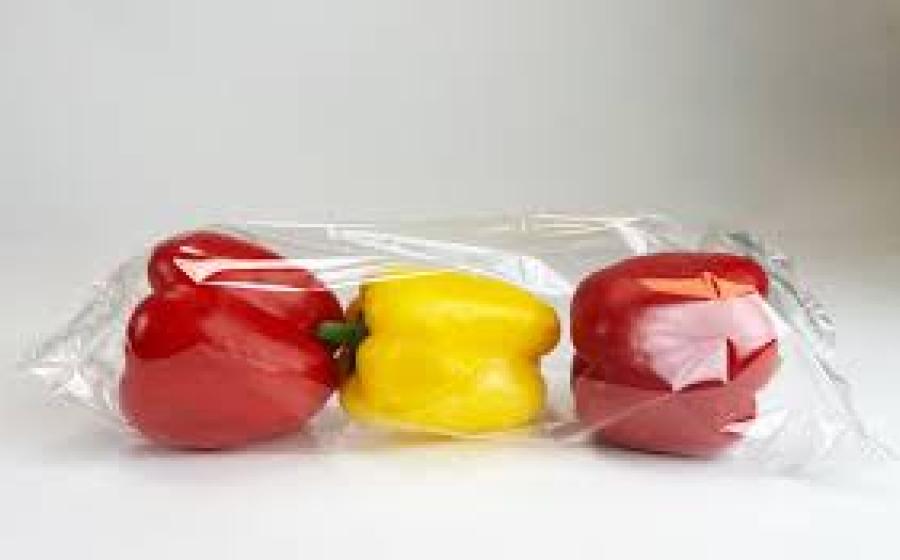
Central to Argos’s strategy is the NoW (No Waste Technology) Flowpack paper. Traditionally, flowpacking — a high-speed process for packaging items like peppers and pears — relied heavily on fossil-fuel plastics. Argos’s new solution utilises 100% plastic-free, FSC-certified paper, featuring a transparent cellulose window. This window, derived from wood pulp, ensures high visibility while remaining fully recyclable with standard paper streams. Additionally, the paper’s porous nature creates a microclimate that Argos claims extends shelf life by regulating moisture and reducing oxidation.
In anticipation of tighter regulation, Argos has expanded its “Future-Proof” portfolio through strategic partnerships addressing sustainability from diverse angles:
NoriFresh: In collaboration with Noriware, Argos has introduced a top-seal film made entirely from seaweed. This 100% bio-based film, designed for direct food contact, naturally absorbs excess moisture, preventing mould and condensation in fresh berries and salads.
Recycled BOPP: Partnering with Prevented Ocean Plastic, Argos now offers a circular BOPP (Biaxially Oriented Polypropylene) film containing up to 35% post-consumer recycled material. Made from plastic at risk of entering the ocean, this film provides a high-clarity, food-safe solution, aligning with PPWR’s recycled content mandates.
A significant challenge for sustainable packaging has been the “speed gap” — the tendency for bio-materials to jam or tear on high-speed industrial lines. Argos has addressed this issue by ensuring its new materials operate at conventional plastic speeds on existing machinery. “Future-proofing is about more than just the material; it’s about ensuring the supply chain remains efficient,” a company spokesperson stated. “By delivering films that require no hardware modifications, we allow growers to meet 2026 regulations overnight.”
The shift towards paper and seaweed is not merely a regulatory formality. Market data indicates that consumers increasingly perceive paper-based packaging as a premium indicator of freshness. By moving away from “cheap” plastics, retailers can better justify the value of organic and high-end produce, using packaging as a tangible extension of the brand’s sustainability claims.