




As many people across the world take part in “Veganuary” – an annual campaign that encourages people to try a vegan lifestyle for a month – they start to make more conscious choices about which companies they buy from.
In the UK, 85% of consumers are opposed to animal testing for cosmetics and one in 10 have reduced or eliminated animal products from their diet, according to The Vegan Society.
Consumer choices go beyond the contents of a product, extending to how a product is created or how it is packaged.
According to GWI, 40% of consumers actively look for businesses that share their values, which means companies can work to align its packaging with its product promises.
To help companies achieve this, packaging manufacturer Smurfit Westrock is the world’s first packaging company to be certified by The Vegan Society.
What is vegan packaging?
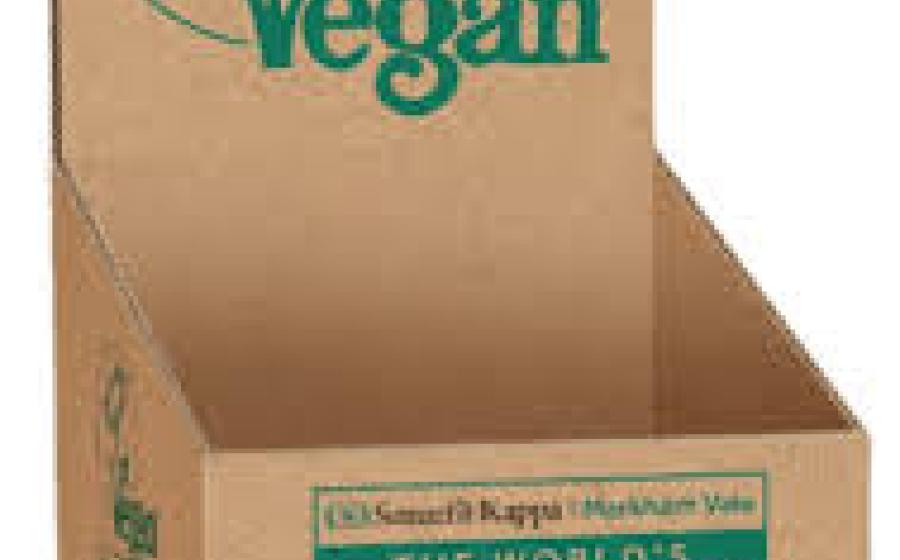
Smurfit Westrock’s vegan and cruelty-free packaging avoids all animal-derived components, including glues, inks and coatings that can be made using gelatine or shellac.
Cruelty-free packaging means that no animal testing has been involved in the development process or manufacturing of the packaging.
Packaging could be considered “cruel” if it contributes to environmental harm that affects wildlife, such as plastic waste in the ocean.
Smurfit Westrock ensures that its vegan certified packaging products come from a vegan-conscious supply chain, with the paper, glue, starch and inks sourced from eco-conscious suppliers.
Mark Robinson, Markets and Innovation Manager at Smurfit Westrock, says: “We believe packaging should not only protect products but also reflect the values of the brands and customers it serves.
“That’s why our Vegan Certified packaging is 100% cruelty-free, made without any animal-derived materials and aligns with the values of customers who prioritise ethical and sustainable choices.
“This certification reflects our commitment to sustainability and ethical practices in every aspect of what we do.”
Why do businesses choose vegan packaging?
A benefit of vegan packaging is that businesses with a strong eco-conscious customer base can supply vegan packaging to match their vegan certified products.
This helps embed a company’s values throughout its production chain, including its products and packaging.
According to Smurfit Westrock, packaging that fails to reflect the product’s purpose can dilute a brand’s impact, whereas “free-from” packaging, including plastic-free, animal-free and responsibly sourced packaging, can help amplify the brand’s purpose and build stronger connections with customers.
Research from Deloitte reveals that 49% of shoppers are willing to pay more for sustainable packaging and delivery, showing that the extra commitment to sustainability can pay off for businesses.
Smurfit Westrock’s free-from packaging focuses on minimising the negative environmental impact of packaging, by choosing renewable alternatives like paper or cardboard, eliminating excess materials and using lightweight packaging that cuts down on waste and emissions.
One example of this packaging is Smurfit Westrock’s partnership with McCormack Family Farms, in an effort to move away from wax-lined and PET-coated packaging trays.
The aim was to create packaging that protected products from moisture, damage and the demands of transit, while supporting the environment.
The company was able to switch to a new recyclable water-resistant coating, which could protect McCormack’s produce as well as meet its sustainability goals.
McCormack Family Farms says: “Our partnership with Smurfit Westrock has revolutionised our packaging approach.
“Their remarkably robust water-resistant packaging solution stands as a testament to innovation that upholds our commitment to sustainability.”
By using thoughtfully-engineered packaging, brands can minimise their environmental footprint alongside protecting its products in transit and keeping packaging light, compact and cost-effective, according to Smurfit Westrock.