




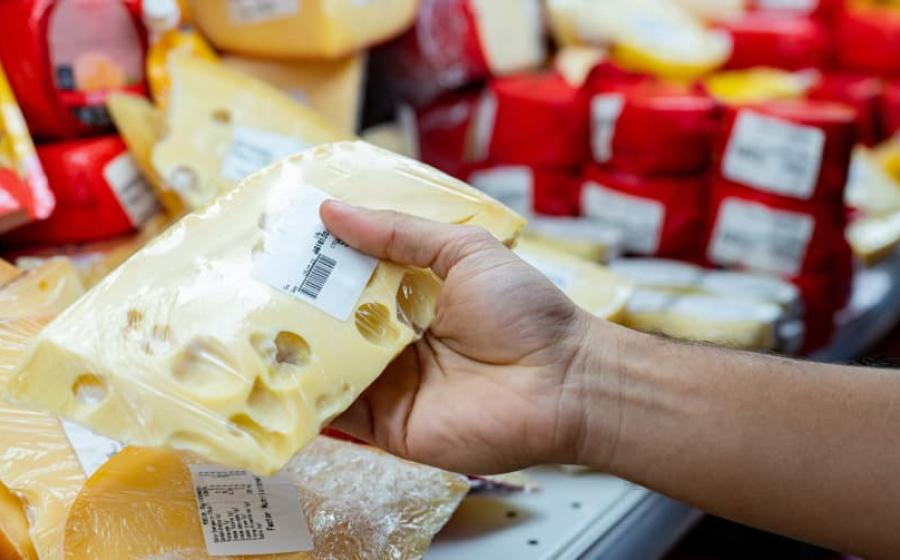

HERMA has expanded its self-adhesive materials portfolio with the launch of Essential Line, a new range of paper and film label materials designed to provide label converters with a more economical solution for high-volume, price-sensitive applications. The portfolio focuses on delivering the essential performance characteristics required for everyday labeling while eliminating additional features that may not be necessary for specific end uses.
The Essential Line is targeted at a broad range of applications, including food packaging, cosmetics, logistics, shipping cartons and retail labeling. By concentrating on core functionality, the new range enables converters to optimize material costs without compromising the reliability, processing performance and quality associated with HERMA's self-adhesive materials.
The portfolio utilizes HERMA's proven adhesives and release liners and is manufactured on the company's existing high-tech production lines, ensuring consistent converting performance and dependable supply. According to the company, products in the Essential Line retain the same standards of customer support and manufacturing quality while offering a more competitive option for standard labeling projects.
At launch, the Essential Line includes thermal label materials such as Hermatherm top el, Hermatherm eco el and Hermatherm PP el for variable data and food labeling applications. The range will also expand to include Herma white el for paper-based logistics labels and Herma PP white el for standard film label applications, with the "el" designation identifying products within the Essential Line portfolio.
HERMA plans to broaden the Essential Line further to cover additional standard labeling applications, giving converters a cost-effective alternative as they navigate increasing price pressure while maintaining the quality and performance expected in the labels and packaging industry. The materials are supplied in 4,000-meter net-width rolls, making them suitable for both large-scale production and smaller print runs