





Food and pharmaceutical manufacturers are being encouraged to take a closer look at their cold chain pallet infrastructure after ATP hygiene testing highlighted substantial differences in cleanliness between wooden and sanitised plastic pallets.
In a recent assessment conducted at a customer facility, Hydropac performed ATP (adenosine triphosphate) testing on wooden pallets entering the site through various supply chain channels and from multiple suppliers. The results revealed a significant disparity in hygiene levels when compared with a sanitised plastic pallet subjected to the same testing process.
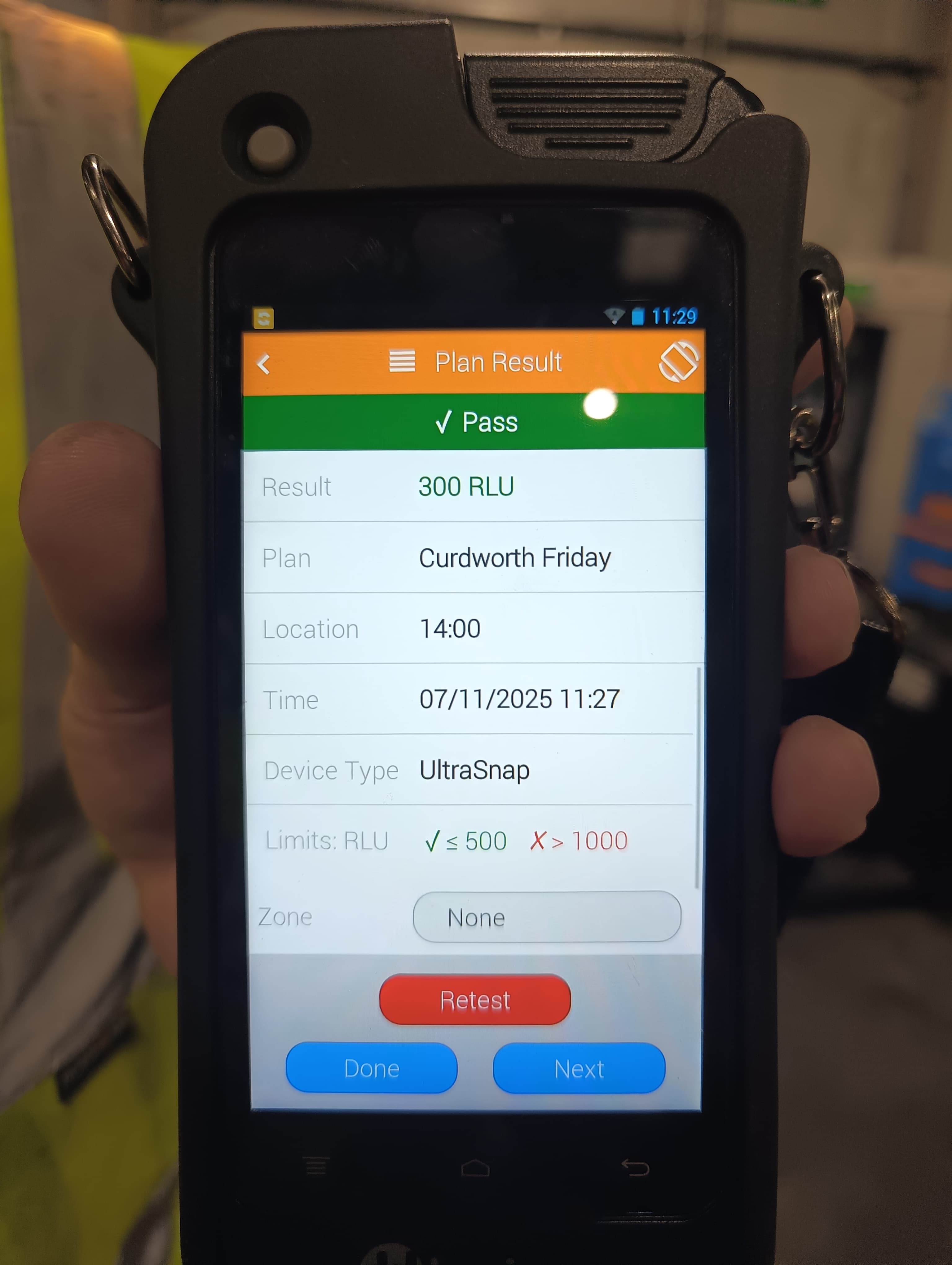
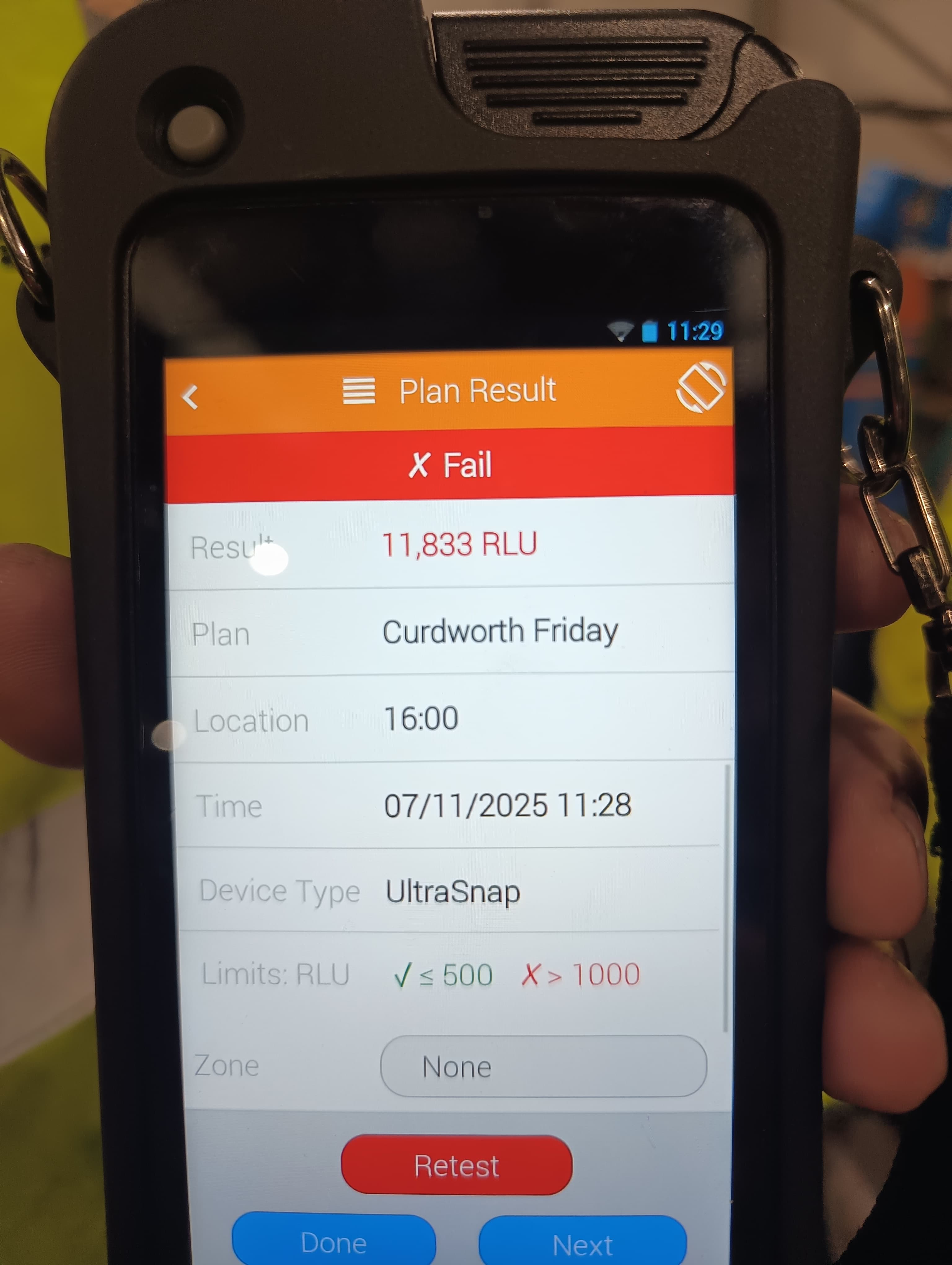 One wooden palet recorded a reading of 11,833 Relative Light Units (RLU), while the sanitised plastic pallet measured 300 RLU, making the plastic pallet more than 38 times cleaner based on ATP measurements.
ATP testing is widely used across food manufacturing and pharmaceutical environments to detect the presence of organic contamination. In many food production settings, ATP readings exceeding 11,500 RLU would typically indicate heavy contamination and trigger further cleaning, investigation, or corrective actions.
Despite substantial investments in temperature control, packaging integrity, sanitation protocols, and environmental monitoring, pallet infrastructure often receives comparatively less attention. Hydropac believes the findings highlight a potential blind spot within contamination-control programmes, where pallet hygiene is frequently assumed rather than verified.
Commenting on the findings, Francisco Azeredo, Commercial Manager at Hydropac and specialist in cold chain and temperature-controlled packaging for food and pharmaceutical supply chains, said:
"Pallets are often overlooked despite being one of the first surfaces products and packaging come into contact with. If organisations are serious about contamination control, every item entering a controlled environment should be subject to the same level of scrutiny."
According to Hydropac, wooden pallets continue to be widely used across logistics networks; however, their porous structure can absorb moisture and retain organic matter, making thorough cleaning and sanitisation more challenging. In contrast, plastic pallets feature a non-porous surface that can be washed, sanitised, and validated before being returned to service.
Azeredo further noted:
"The challenge with wooden pallets isn't that they're inherently unsafe. It's that their history is largely unknown. You don't know where they've been, what they've been exposed to, or what contaminants may be embedded within the material."
Beyond hygiene concerns, Hydropac highlights additional operational risks associated with wooden pallets, including splinters, exposed nails, damaged boards, and debris generation, which can create workplace safety and housekeeping challenges within production and warehouse environments.
The company also cautions that contamination risks may extend beyond the pallet surface itself. As pallets move through the supply chain, organic contaminants can potentially be transferred to warehouse floors, food handling areas, equipment, and even employees’ hands and footwear, increasing the risk of cross-contamination.
"Plastic pallets offer manufacturers a different level of control because they can be washed, sanitised and verified before re-entering the supply chain," added Azeredo.
As food manufacturers, pharmaceutical companies, and logistics providers continue to strengthen quality assurance and contamination-control programmes, Hydropac believes greater focus on pallet hygiene standards can help reduce operational risks, improve audit readiness, and support compliance with increasingly stringent regulatory and industry requirements.