




Messenger RNA (mRNA) technology is changing modern medicine by giving our cells genetic instructions to produce proteins that help the immune system prevent or fight diseases such as cancer and rare disorders. To protect mRNA from breaking down quickly, it is enclosed in lipid nanoparticles—tiny fat-based carriers that safely deliver the mRNA into cells so it can function properly.
Researchers at the University at Albany are developing a new method to check whether mRNA is correctly enclosed inside these lipid nanoparticles. Their approach uses Raman spectroscopy, a non-destructive laser technique that studies the chemical composition of materials.
In a study published in Analytical Chemistry, the team showed that this technique could quickly assess the quality and integrity of mRNA vaccines and therapeutics. Since mRNA treatments are sensitive and can be unstable, ensuring proper encapsulation is essential for their safety and effectiveness.
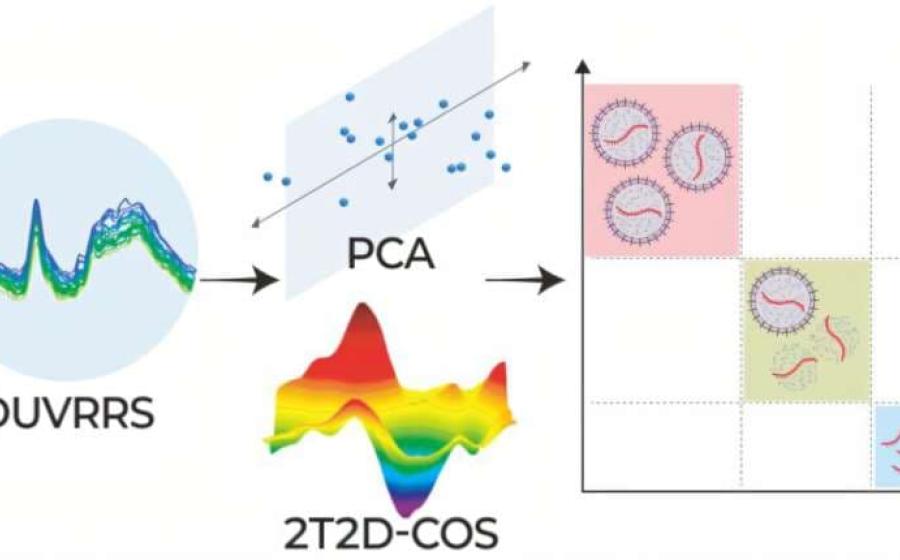
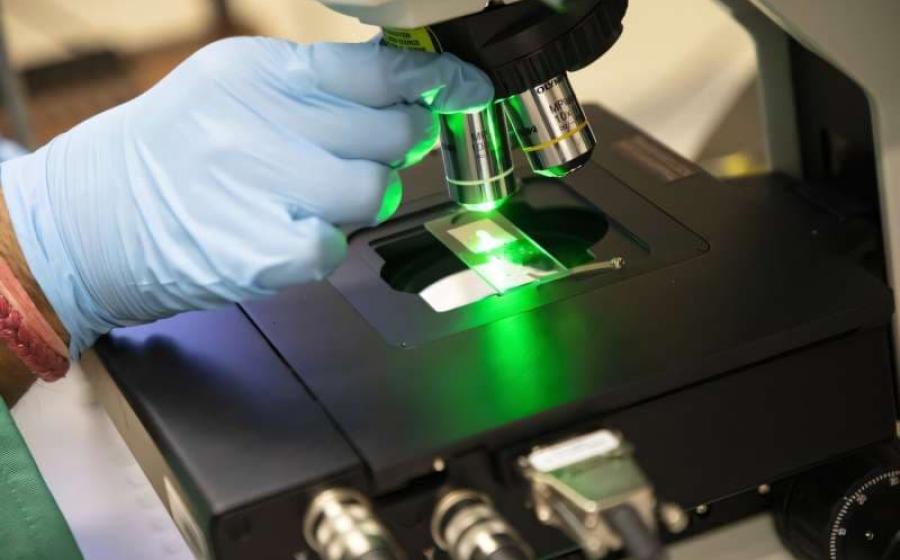
Raman spectroscopy works by shining a laser on a sample and analyzing the scattered light, which creates a unique chemical “fingerprint.” Unlike current testing methods that often require breaking apart vaccine samples, this new technique is fast and keeps the sample intact for further testing.
One challenge is that the amount of mRNA is very small compared to the surrounding lipid nanoparticles, making it difficult to detect. To solve this, the researchers are using a specialized deep ultraviolet (deep-UV) Raman instrument that can directly measure mRNA while reducing interference from the lipid material. They also combine this with advanced statistical analysis to accurately confirm whether the mRNA is properly protected.
The researchers believe this method could be used in quality control during the development and manufacturing of mRNA therapeutics. By better understanding how these formulations are made, the technique can help improve the safety, stability, and effectiveness of future mRNA-based medicines.