




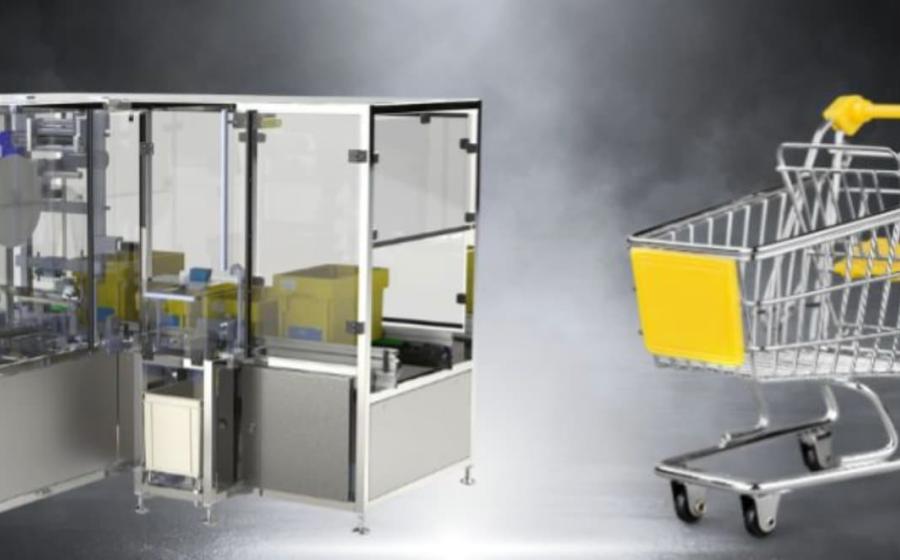

Top 10 Things You Must Check Before Buying a Labelling Machine
Investing in a labelling machine is a critical decision for any manufacturing or packaging business. The right choice can boost efficiency, ensure compliance, and enhance product presentation, while the wrong one can lead to downtime, poor quality, and hidden costs.
Before you finalize your purchase, here are the 10 most important factors you should carefully evaluate:
1. Manufacturer’s Credibility & Expertise
Start by evaluating the manufacturer’s reputation. A reliable supplier should have:
- Proven industry experience
- In-house engineering and manufacturing capabilities
- Strong client references
Whenever possible, visit their facility. Observing their production setup and processes gives you confidence in their capabilities and long-term support.
2. Quality of Sales & After-Sales Support
A good labelling machine is only as good as the support behind it.
Ensure the manufacturer offers:
- Pre-sales consultation
- Factory Acceptance Testing (FAT)
- Operator training
- Ongoing maintenance and remote support
Strong after-sales service ensures minimal downtime and long-term efficiency.
3. Modular & Flexible Design
Your business will grow your machine should grow with it.
Look for:
- Modular construction
- Easy maintenance and cleaning
- Upgrade and customization options
A flexible system allows you to adapt to new products without replacing the entire machine.
4. Testing & Quality Assurance Capabilities
A manufacturer with a dedicated testing facility ensures:
- High accuracy and consistency
- Reduced errors in real production
- Better customization for your product needs
Machines that undergo rigorous testing are more reliable and durable.
5. Labelling Speed vs Print Quality
Speed is important but not everything.
- High speed can compromise print quality
- Choose a balance between speed and accuracy
- Consider your product sensitivity and production line
Focus on consistent performance, not just maximum speed claims.
6. Choosing the Right Print Technology
Different applications require different printing methods:
- Thermal Transfer → Long-lasting labels (ideal for logistics, pharma)
- Direct Thermal → Short-term use (ideal for food & retail)
Also consider inkjet or laser depending on your needs. Selecting the right print engine impacts durability and cost.
7. Type of Data You Need to Print
Understand your labelling requirements:
- Static labels → Pre-printed (simple applications)
- Variable data → Batch numbers, expiry dates, barcodes
If your operations require dynamic data, choose a system that integrates with ERP or production software.
8. Maximum Label Size Compatibility
Not all machines support all label sizes.
Check:
- Maximum width and length
- Compatibility with your product range
- Flexibility for future SKUs
Choosing the wrong size capability can limit your operations later.
9. Site Inspection & Integration Planning
A professional supplier should offer a site visit to:
- Understand your production line
- Identify integration challenges
- Customize the solution
This step ensures smooth installation and avoids costly adjustments later.
10. Price vs Long-Term Value
Don’t fall for the cheapest option.
Instead, evaluate:
- Total cost of ownership
- Maintenance and spare parts
- Downtime risks
- ROI over time
A slightly higher upfront investment often saves significant costs in the long run.
Buying a labelling machine isn’t just a purchase it’s a long-term partnership. The right machine will streamline your operations, ensure compliance, and enhance your brand presence.
Take your time, ask the right questions, and focus on value, reliability, and scalability , not just price.