Blog

Stay informed. Our latest innovations.
Our blog covers a diverse range of topics related to packaging, including innovations, processes, future needs, and more. These articles are written by industry professionals as well as experts from Packaging Connections, who have decades of hands-on experience in the packaging industry.
Join Our Community of Contributors

We believe in the power of sharing knowledge and fostering innovation. If you are a packaging professional with insights and experiences to share, we invite you to contribute to our blog. This is a great opportunity to share your expertise, reach a global audience, and engage with a community passionate about packaging.

How to Contribute

To express your interest in contributing, please reach out to us at info@packagingconnections.com. Our team will review your request and guide you through the next steps. Whether you have a groundbreaking innovation, an in-depth analysis, or valuable industry insights, we look forward to collaborating with you.

For Companies

Companies are also welcome to publish their blogs on our platform to promote their business and share their packaging solutions. If your company has a story to tell or a solution to showcase, contact us at info@packagingconnections.com. Together, we can highlight your contributions to the packaging industry.

What We Offer
  • Share your knowledge and expertise with a global audience.
  • Promote innovative packaging solutions and industry best practices.
  • Engage with a community of like-minded professionals.
  • Enhance your professional visibility and credibility.
Contact Us

Interested in contributing? Email us at info@packagingconnections.com to get started. We look forward to hearing from you and working together to advance the field of packaging.

Explore Our Blog

Browse through our existing posts to see the wide range of topics we cover, and get inspired by the innovative solutions and insights shared by fellow professionals. Your contribution could be the next highlight on our blog!

Sign Up for Our Newsletter

Don't miss out on the latest updates! Sign up for our Namaste Packaging newsletter and join our community of over 100,000 packaging professionals. Get the latest news, trends, and innovations delivered straight to your inbox.

Submit Your Blog

The global cold chain packaging market is experiencing unprecedented growth as pharmaceutical companies, food distributors, and biotech firms demand more reliable temperature-controlled logistics. Whether you're shipping vaccines, fresh produce, or temperature-sensitive biologics, understanding modern cold chain packaging technologies is essential for maintaining product integrity and regulatory compliance.

What is Cold Chain Packaging?

Cold chain packaging refers to specialized insulation and temperature control systems designed to maintain products within specific temperature ranges during storage and transportation. These solutions are critical for preserving the quality, safety, and efficacy of temperature-sensitive goods throughout the supply chain.

Key Cold Chain Packaging Technologies

1. Insulated Shipping Containers

Modern insulated containers use advanced materials to create thermal barriers that slow heat transfer. Common insulation materials include:

Expanded Polystyrene (EPS): Lightweight and cost-effective, EPS foam containers offer excellent insulation properties with R-values ranging from 3.6 to 4.0 per inch. These containers are widely used for overnight and two-day shipments.

Polyurethane Foam: With superior insulation performance compared to EPS, polyurethane provides better temperature control in a thinner profile, making it ideal for space-constrained applications.

Vacuum Insulated Panels (VIPs): The latest innovation in insulation technology, VIPs offer R-values up to 10 times higher than traditional materials, enabling ultra-thin packaging with exceptional thermal performance.

2. Phase Change Materials (PCMs)

Phase change materials have revolutionized cold chain packaging by providing consistent temperature control through latent heat absorption. Unlike traditional ice packs, PCMs maintain precise temperature ranges by absorbing or releasing energy during phase transitions.

Gel Packs: Available in various temperature ranges from -20°C to +20°C, gel packs are reusable and can be formulated for specific thermal requirements.

Dry Ice: Maintaining temperatures around -78°C, dry ice is essential for ultra-cold applications like mRNA vaccine distribution. However, it requires special handling due to sublimation and regulatory considerations.

Water-Based PCMs: Cost-effective and environmentally friendly, these materials are ideal for maintaining refrigerated temperatures (2-8°C) for pharmaceuticals and biologics.

3. Active Temperature Control Systems

When passive packaging isn't sufficient, active systems provide powered temperature regulation:

Battery-Powered Cooling Units: Portable refrigeration systems offering precise temperature control for extended shipping durations, typically 72-120 hours on a single charge.

Liquid Nitrogen Shippers: Used for cryogenic applications requiring temperatures below -150°C, these systems are critical for cellular therapies and biobanking.

Peltier Devices: Thermoelectric coolers that provide both heating and cooling capabilities, ideal for products requiring narrow temperature ranges.

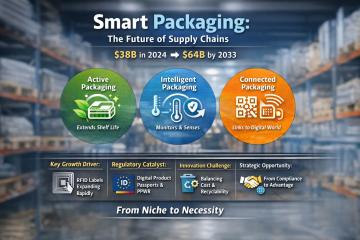
4. Smart Packaging and IoT Integration

The integration of Internet of Things (IoT) technology into cold chain packaging enables real-time monitoring and data logging:

Temperature Data Loggers: Compact devices that record temperature throughout transit, providing compliance documentation and quality assurance.

GPS-Enabled Trackers: Real-time location tracking combined with temperature monitoring allows for proactive intervention if conditions deviate from specifications.

RFID Tags: Radio-frequency identification enables automated tracking and inventory management across the cold chain.

Blockchain Integration: Emerging technology providing immutable records of temperature data for enhanced traceability and regulatory compliance.

Industry-Specific Cold Chain Applications

Pharmaceutical and Biotech

The pharmaceutical industry demands the most rigorous cold chain standards. Biologics, vaccines, and gene therapies require validated packaging systems that maintain temperatures between 2-8°C or -20°C to -80°C. Regulatory bodies like the FDA and EMA require extensive qualification studies demonstrating package performance.

Food and Beverage

From farm to table, cold chain packaging preserves food quality and extends shelf life. Fresh produce, dairy products, and frozen foods each require specific temperature ranges and humidity control to prevent spoilage and maintain nutritional value.

Clinical Trials and Diagnostics

Time-sensitive biological samples require specialized packaging to preserve specimen integrity. Blood samples, tissue cultures, and diagnostic kits often need same-day or overnight delivery with strict temperature maintenance.

Selecting the Right Cold Chain Packaging Solution

When choosing cold chain packaging, consider these critical factors:

Temperature Requirements: Determine your product's specific temperature range and acceptable excursion limits.

Duration: Calculate the maximum transit time, including potential delays, to ensure adequate thermal protection.

Payload Size: Match packaging dimensions to your product volume while minimizing dimensional weight charges.

Environmental Conditions: Consider seasonal variations and extreme ambient temperatures in transit routes.

Regulatory Compliance: Ensure packaging meets industry-specific regulations such as Good Distribution Practice (GDP) or ISTA standards.

Sustainability: Evaluate reusable systems and eco-friendly materials to reduce environmental impact and long-term costs.

Emerging Trends in Cold Chain Packaging


Sustainable Solutions

The industry is shifting toward environmentally responsible packaging with biodegradable insulation materials, reusable containers, and recyclable components. Companies are developing plant-based PCMs and compostable foam alternatives to reduce landfill waste.

Predictive Analytics

Machine learning algorithms analyze historical shipping data to predict optimal packaging configurations and identify potential supply chain vulnerabilities before they cause product losses.

Miniaturization

Advances in insulation technology are enabling smaller, lighter packaging solutions that reduce shipping costs while maintaining thermal performance.

Hybrid Systems

Combining passive and active technologies creates more robust solutions that adapt to changing conditions, providing backup cooling if passive systems approach their limits.

Quality Assurance and Validation

Proper validation ensures cold chain packaging performs as intended. Qualification protocols typically include:

Operational Qualification (OQ): Testing packaging performance under normal operating conditions across expected temperature ranges and durations.

Performance Qualification (PQ): Real-world testing simulating actual shipping conditions, including seasonal extremes and worst-case scenarios.

Installation Qualification (IQ): Verifying that all packaging components meet specifications and are properly configured.

Cost Optimization Strategies

While protecting product integrity is paramount, optimizing cold chain packaging costs improves competitiveness:

  • · Conduct lane analysis to match packaging specifications to specific shipping routes
  • · Implement reusable container programs for high-volume lanes
  • · Use predictive modeling to right-size packaging and minimize void space
  • · Negotiate volume discounts with packaging suppliers
  • · Consider regional distribution centers to shorten transit times and reduce packaging requirements

Cold chain packaging technologies continue to evolve, driven by pharmaceutical innovation, food safety requirements, and sustainability demands. From traditional insulated shippers to IoT-enabled smart packaging, today's solutions offer unprecedented control over temperature-sensitive shipments. By understanding available technologies and selecting appropriate systems for your specific applications, you can ensure product quality, regulatory compliance, and customer satisfaction throughout the cold chain.