





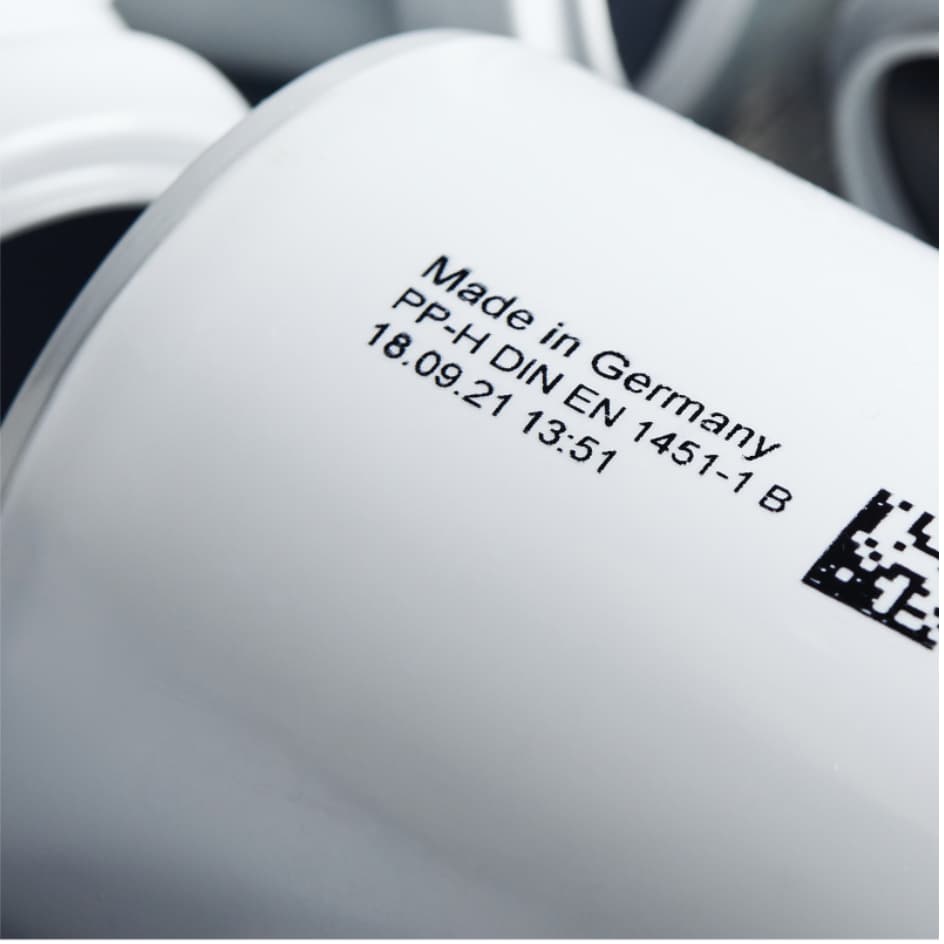
 In today’s competitive market, labels are no longer just identifiers—they are powerful branding tools. For medium-sized businesses, selecting the right labeling system is not just a technical decision, but an economic one that directly impacts profitability, flexibility, and scalability.
With multiple printing technologies available, understanding their cost structure, efficiency, and application is essential before making an investment.
Understanding the Core Label Printing Technologies
1. Digital Printing (Inkjet / Laser)
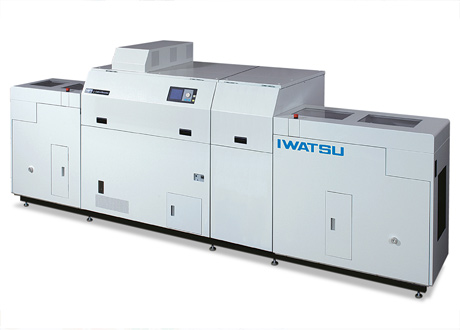
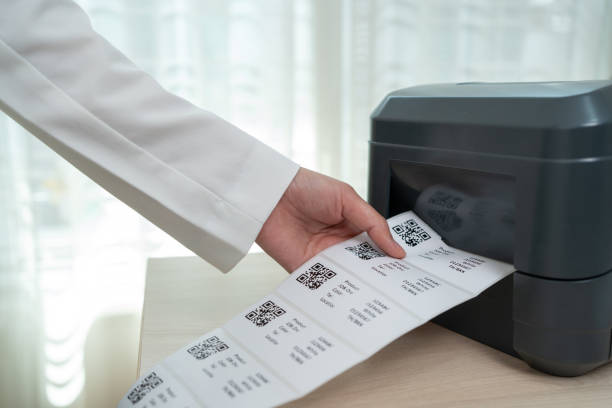

Digital printing works directly from digital files without the need for printing plates. It includes technologies like inkjet and laser printing.
Key Advantages:
- No setup costs (no plates required)
- Ideal for short runs and frequent design changes
- Supports variable data printing (QR codes, personalization)
- Faster turnaround times
Economic Perspective:
Digital printing is highly cost-effective for small to medium batches because it eliminates setup costs and reduces waste.
Best Use Cases:
- Startups and growing brands
- Seasonal or promotional labels
- Multiple SKUs or product variations
2. Flexographic Printing (Flexo)
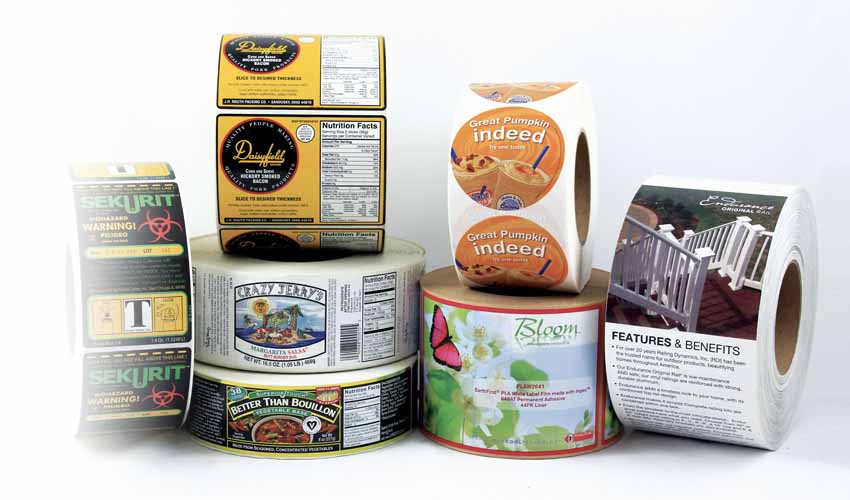


Flexographic printing is a traditional method that uses flexible plates to transfer ink onto substrates.
Key Advantages:
- High-speed production
- Excellent for large volumes
- Wide compatibility with materials (plastic, foil, paper)
- Strong color consistency
Economic Perspective:
While initial setup costs (plates) are higher, the cost per label decreases significantly with large production volumes.
Best Use Cases:
- Large-scale production
- Standardized designs
- Long-term product lines
3. Thermal Transfer Printing


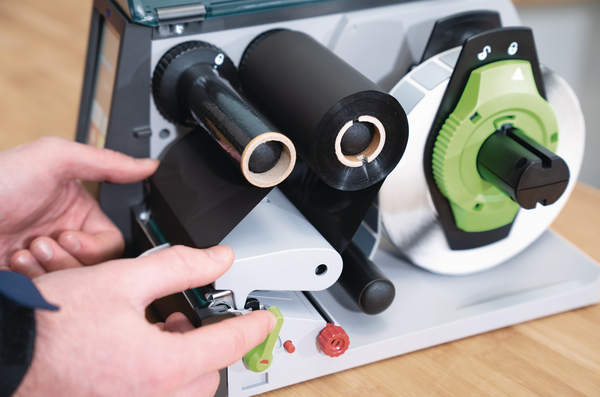
Thermal transfer printing uses heat to transfer ink from a ribbon onto the label material.
Key Advantages:
- High durability (resistant to heat, chemicals, abrasion)
- Excellent for barcodes and logistics labels
- Reliable and low maintenance
Economic Perspective:
Cost-effective for low-volume, functional labeling needs, especially where durability matters.
Best Use Cases:
- Logistics and warehousing
- Asset tracking
- Industrial labeling
Key Factors That Influence Economic Viability
Choosing the right technology depends on more than just machine cost. Here are the critical economic factors:
1. Print Volume
- Low volume: Digital is more economical
- High volume: Flexo becomes cheaper per unit
There is typically a “crossover point” where flexo becomes more cost-efficient as volume increases.
2. Setup Costs vs Running Costs
- Digital: Low setup, higher per-unit cost
- Flexo: High setup, lower per-unit cost
- Thermal: Minimal setup, moderate running cost
3. Flexibility & Customization
- Digital printing enables on-demand and variable data printing
- Flexo is less flexible but more efficient for standard designs
4. Speed & Turnaround
- Digital: Fast setup, slower production speed
- Flexo: Slower setup, very high production speed
5. Waste & Sustainability
- Digital printing reduces waste due to minimal setup
- Inkjet systems also consume less energy compared to some traditional methods
The Hybrid Approach: A Smart Strategy
Many medium-sized businesses today adopt a hybrid model:
- Use digital printing for short runs, testing, and customization
- Use flexo printing for large-scale, stable products
This combination maximizes both flexibility and cost efficiency.
Conclusion:Matching Technology to Business Needs
There is no one-size-fits-all solution in label printing. The most economical choice depends on your:
- Production volume
- Product variety
- Speed requirements
- Budget and long-term growth plans