





Frustration-Free Packaging: The Complete Guide to Easy-Open, Sustainable Product Packaging
What Is Frustration-Free Packaging?
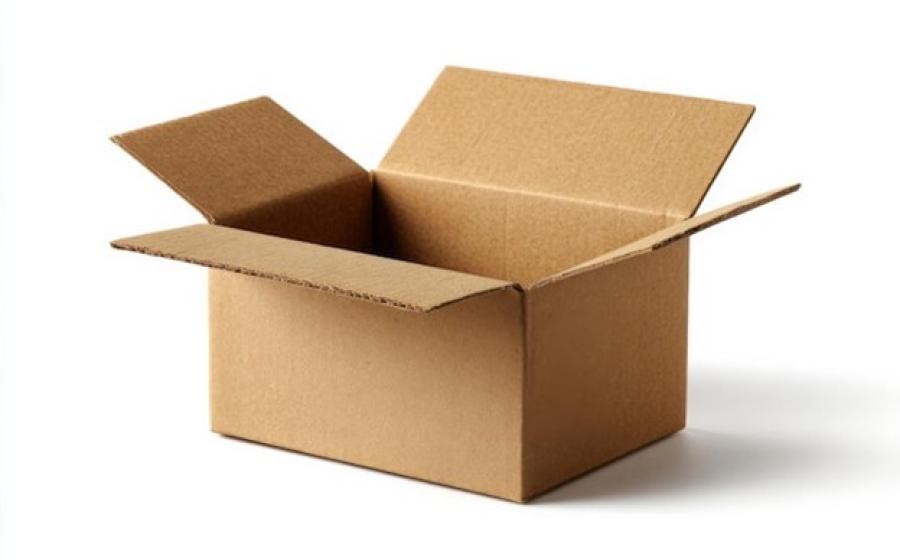
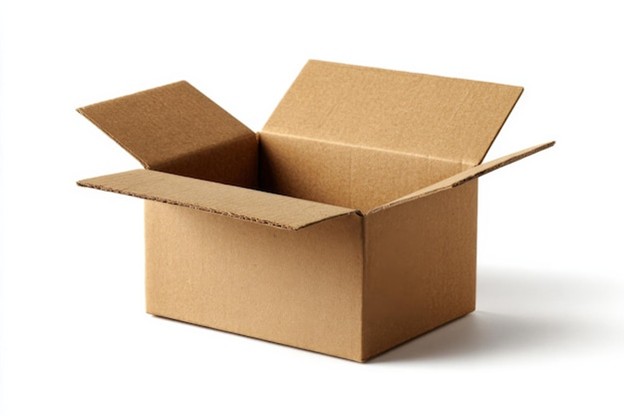
Frustration-free packaging is a customer-centric packaging design approach that eliminates excessive materials, hard-to-open plastic clamshells, and wire ties. This innovative packaging solution focuses on easy opening, recyclability, and minimal waste while still protecting products during shipping and storage.
Originally pioneered by Amazon in 2008, frustration-free packaging has become an industry standard that benefits consumers, retailers, and the environment. The concept addresses a common consumer pain point: spending minutes struggling with scissors, knives, or brute force to access newly purchased products.
Key Features of Frustration-Free Packaging
Easy to Open
The primary characteristic of frustration-free packaging is simple accessibility. Products packaged this way can be opened by hand without tools, eliminating the need for scissors or box cutters. This design consideration is particularly important for elderly consumers, people with arthritis or limited hand mobility, and anyone who values convenience.
Minimal Materials
Frustration-free packaging uses only the materials necessary to protect the product. This means no excess cardboard, no plastic windows for display purposes, and no unnecessary inserts or padding. The streamlined approach reduces material costs and shipping weight.
100% Recyclable
Most frustration-free packaging consists entirely of recyclable materials, typically corrugated cardboard and paper-based cushioning. By eliminating mixed materials like plastic-cardboard combinations, these packages are easier for consumers to recycle properly and more likely to be processed by recycling facilities.
Ready to Ship
These packages are designed to ship in their own container without additional boxing. The product packaging doubles as the shipping container, reducing packaging waste and handling time for retailers and fulfillment centers.
Benefits of Frustration-Free Packaging
For Consumers
Consumers gain immediate value from frustration-free packaging through improved user experience. Opening a package becomes a pleasant rather than aggravating experience. The reduced packaging also means less waste to dispose of and easier recycling. Parents particularly appreciate not needing sharp tools around children when opening toys or electronics.
For Businesses
Companies adopting frustration-free packaging often see multiple benefits. Reduced packaging materials lower costs, while lighter packages decrease shipping expenses. Customer satisfaction improves, potentially leading to better reviews and repeat purchases. The environmental benefits also enhance brand reputation among eco-conscious consumers.
For the Environment
The environmental impact of frustration-free packaging is substantial. Using less material means fewer resources consumed in production and less waste in landfills. The emphasis on recyclable materials increases the likelihood of proper disposal and circular material use. Lighter packages also reduce carbon emissions during transportation.
Industries Using Frustration-Free Packaging
Electronics and Technology
Electronics manufacturers have widely adopted frustration-free packaging for accessories, small devices, and peripherals. Products like headphones, chargers, and computer mice commonly arrive in simple cardboard boxes that open easily and protect the contents adequately.
Toys and Games
The toy industry has made significant strides in reducing frustrating packaging. Many companies now offer products without the notorious plastic-coated cardboard backing secured with dozens of wire ties. Board games and puzzles frequently use frustration-free designs that showcase the product while remaining easy to open.
Health and Beauty
Personal care products, vitamins, and cosmetics increasingly ship in minimalist packaging that consumers can open quickly. This approach works particularly well for subscription services and direct-to-consumer brands.
Home Goods
Kitchen gadgets, small appliances, and organizational products often utilize frustration-free packaging that doubles as an attractive display option for retail environments.
How to Identify Frustration-Free Packaging
When shopping online, particularly on Amazon, look for the "Frustration-Free Packaging" or "Ships in Product Packaging" label on product listings. These certifications indicate that the item will arrive in easy-open, recyclable packaging without excess materials.
Physical retail stores are increasingly adopting similar approaches. Products with minimal plastic, simple cardboard construction, and clear opening instructions typically follow frustration-free principles.
Tips for Businesses Implementing Frustration-Free Packaging
Conduct Package Testing
Before finalizing a frustration-free design, test it with real users representing your target demographic. Gather feedback on ease of opening, perceived product protection, and overall satisfaction.
Balance Protection and Simplicity
While minimizing materials is important, products still need adequate protection during shipping. Work with packaging engineers to find the right balance between minimal packaging and product safety.
Consider Retail Requirements
If products will be sold in physical stores, ensure the packaging can stand on shelves, clearly display the product or product information, and deter theft where necessary.
Communicate the Benefits
Make sure customers understand they're receiving frustration-free packaging. Use product descriptions, labels, and marketing materials to highlight the easy-open, eco-friendly design.
Measure and Iterate
Track customer feedback, return rates, and damage claims to continuously improve packaging designs. What works for one product may not work for another.
The Future of Frustration-Free Packaging
As consumer expectations evolve and environmental concerns grow, frustration-free packaging will likely become the standard rather than the exception. Innovations in biodegradable materials, mushroom packaging, and molded pulp alternatives promise even more sustainable solutions.
Regulatory pressure is also increasing, with some jurisdictions considering legislation to reduce packaging waste. Companies that adopt frustration-free principles now will be better positioned for future requirements.
The shift toward e-commerce has accelerated frustration-free packaging adoption, as direct-to-consumer brands compete on customer experience and sustainability. This trend shows no signs of slowing.
Common Misconceptions About Frustration-Free Packaging
"It Doesn't Protect Products Well"
Properly designed frustration-free packaging provides excellent protection. The key is using appropriate materials and design techniques rather than excessive materials.
"It's Only for Online Retailers"
While e-commerce drove initial adoption, brick-and-mortar retailers increasingly stock products with frustration-free packaging as consumer preference grows.
"It's More Expensive"
Many companies find frustration-free packaging reduces overall costs through material savings and lower shipping expenses, despite potential upfront design investments.
Conclusion
Frustration-free packaging represents a win-win-win solution for consumers, businesses, and the environment. By prioritizing ease of use, minimal materials, and recyclability, this approach addresses genuine consumer frustrations while reducing environmental impact and often lowering costs.
Whether you're a consumer seeking better unboxing experiences or a business looking to improve customer satisfaction and sustainability, frustration-free packaging offers clear advantages. As more companies embrace this philosophy, the days of wrestling with impossible-to-open packages may finally be coming to an end.
Looking to switch to frustration-free packaging for your products? Start by auditing your current packaging, gathering customer feedback, and working with packaging specialists who understand both protection requirements and sustainability goals.