




The announcement comes as the EU moves toward the implementation of the Packaging and Packaging Waste Regulation (PPWR). The regulation sets out rules, including how claims of compostability should be substantiated.
Most compostable packaging on the market relies on industrial composting, which requires controlled high temperatures and dedicated waste-collection systems. Access to these facilities remains limited in many regions and most households have no means of delivering packaging waste to them. As a result, industrially compostable materials often end up in mixed waste streams and in landfills.
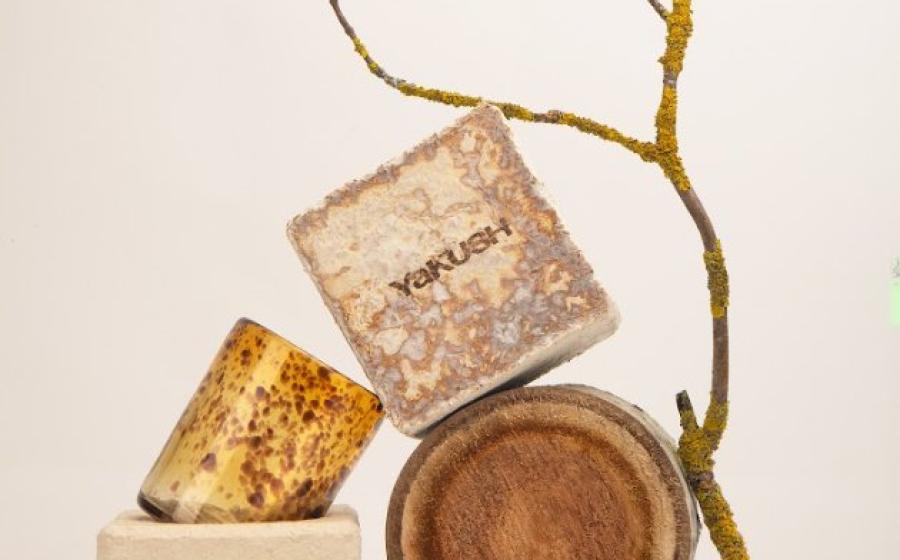
The TÜV Austria “OK Home Compost” scheme evaluates the behavior of materials in low-temperature, non-industrial composting conditions. The certification confirms that S.Lab packaging decomposes without leaving toxic residues, microplastics, or harmful substances when placed in household compost.
“From the beginning, we knew our material was truly biodegradable — we’ve tested it many times ourselves. But we also know how important official confirmation is for the companies we work with. That’s why we went through the certification process and we’re happy to now have recognised proof that the material performs exactly as we designed it to”, says Julia Bialetska, CEO and Co-Founder of S.Lab.