




A new European initiative is aiming to tackle one of the packaging industry's most persistent recycling challenges: flexible plastic packaging.
Called InFACT (Infrastructure for the Flexible plastic pAckaging Circular Transition), the project brings together 16 partners from across the packaging value chain to develop and demonstrate a circular system capable of turning used flexible plastic packaging into new packaging materials. The project will run from 2026 to 2028.
Tackling a Difficult Packaging Waste Stream
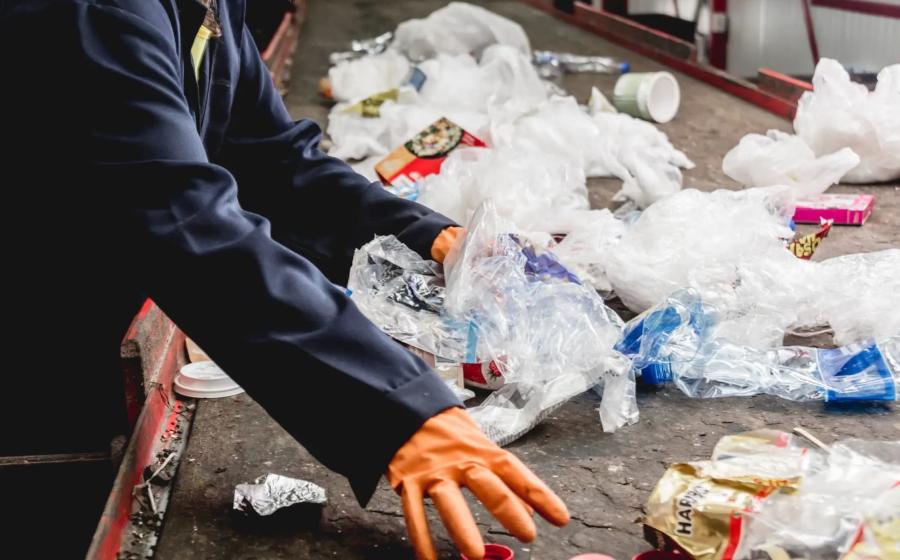
Flexible plastic packaging is widely used because it is lightweight, versatile and cost-effective. It accounts for almost half of Europe's plastic packaging market, yet less than 15% of soft/flexible plastic packaging is currently recycled. Much of this material is either incinerated or downcycled rather than returned to applications with comparable value.
Recycling flexible packaging presents several technical challenges. Food packaging can be contaminated with residues, while thin films and small pieces can be difficult for conventional sorting systems to identify and process efficiently.
Building a Complete Circular Value Chain
InFACT is designed to address the problem across the entire value chain rather than focusing solely on recycling technology.
Led by the Danish Technological Institute, the project brings together companies and organisations involved in collection, sorting, recycling, packaging production and food manufacturing. Partners include Nestlé Denmark, Interzero, TotalEnergies, Fraunhofer IVV, Coveris, VANA and others.
The goal is to demonstrate an integrated system that can move flexible plastic packaging from collection and sorting through recycling and back into new packaging.
This approach is significant because creating a genuinely circular packaging system requires more than the ability to recycle material. Collection infrastructure, sorting, recycling technologies, packaging design and demand for recycled material all need to work together.
EU Regulation Adds Pressure for Change
The initiative comes as the European Union begins implementing its Packaging and Packaging Waste Regulation (PPWR).
The regulation entered into application in August 2026 and establishes a framework intended to reduce packaging waste, improve recyclability and increase the use of recycled materials. A key requirement is that packaging must become recyclable, with major circular-economy measures coming into effect from 2030.
This regulatory shift is increasing pressure on packaging producers and brand owners to rethink material choices, packaging structures and end-of-life solutions.
From Waste Back to Packaging
One of the most important ambitions of InFACT is to demonstrate that flexible plastic waste can become a feedstock for new, high-quality packaging, including food packaging, rather than being permanently removed from the material cycle.
If successful, the project could provide a practical model for connecting packaging manufacturers, recyclers, brands and waste-management companies into a more integrated circular system.
What It Means for the Packaging Industry
The InFACT initiative reflects a broader shift in the European packaging industry—from designing packaging primarily for use and disposal toward designing it as part of a continuous material cycle.
For flexible packaging in particular, this could accelerate innovation in recyclable structures, collection systems, sorting technologies and recycled-content applications.
The challenge now is to demonstrate that these elements can work together at scale and produce recycled materials that meet the technical, safety and performance requirements of demanding packaging applications.