




In a major leap for sustainable materials innovation, INEOS Olefins & Polymers Europe has officially kicked off advanced recycled plastic production at its Lavera site in Southern France, marking a critical shift in how high-performance plastics are made and reused.
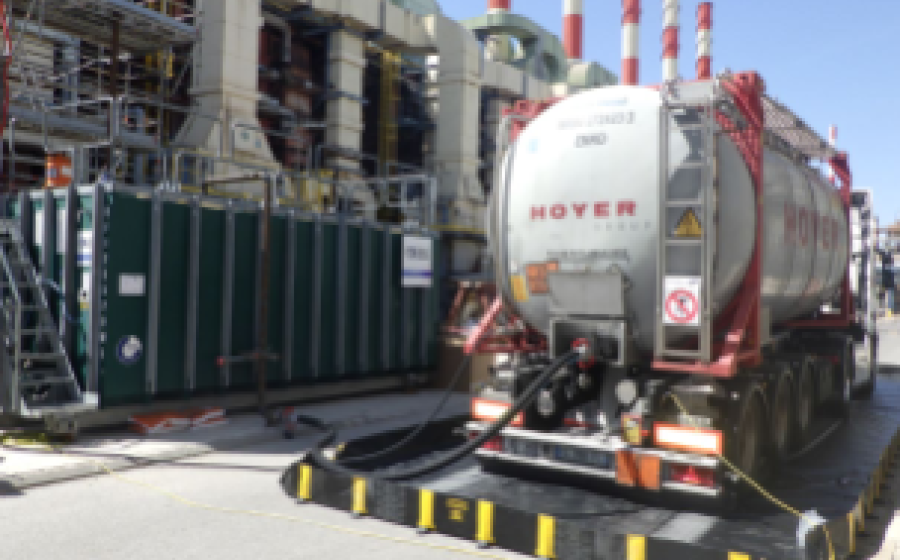
At the heart of this breakthrough is pyrolysis oil a next-gen feedstock derived from post-consumer plastic packaging waste that can’t be processed through traditional mechanical recycling. The oil, produced in Europe, has just arrived at INEOS’s Lavera cracker and will be used to create virgin-quality recycled polyethylene and polypropylene.
These polymers are designed for high-stakes applications like food packaging, medical-grade plastics, bottle caps, and water pipes all of which must meet EU regulations demanding at least 10% recycled content by 2030.
"We are making real and tangible progress," said Rob Ingram, CEO of INEOS Olefins & Polymers Europe.
"By upgrading our Lavera cracker and securing pyrolysis oil supply, we're building the production muscle needed to deliver premium recycled polymers and help customers hit ambitious sustainability targets."
Why It Matters
- Advanced Recycling in Action
The pyrolysis process converts hard-to-recycle plastics into a usable oil, which feeds back into the cracker to create new base materials (ethylene and propylene) with no performance compromise. - Certified Sustainability
All products made with this system are independently verified under the ISCC PLUS certification, ensuring transparency and accountability via the mass balance approach. - Flexible Inputs for Circular Outputs
The Lavera facility now accommodates renewable naphtha (from organic waste and biomass) alongside traditional feedstocks, signaling a more adaptive, climate conscious model for polymer production. - Infrastructure Integration
The recycled materials will be converted into advanced polymers across INEOS’s sites in Lavera, Sarralbe (France), and Rosignano (Italy) using existing infrastructure, but with new circular potential.
Laying the Foundation for EU Circularity Goals
As the EU Packaging and Packaging Waste Regulation (PPWR) pushes the industry toward tougher recycling quotas by 2030 and 2040, INEOS’s advanced recycling capability gives it and its customers a first-mover advantage. The move helps reduce reliance on fossil feedstocks and keeps plastics out of landfills and incinerators.
INEOS’s innovation is not just about compliance; it’s about redefining how plastics fit into a circular economy not as waste, but as renewable building blocks.
“At INEOS, our commitment goes beyond intent it's action,” added Ingram.
“Advanced recycling is key to unlocking new possibilities for circularity, and we’re ready to lead from the front.”