



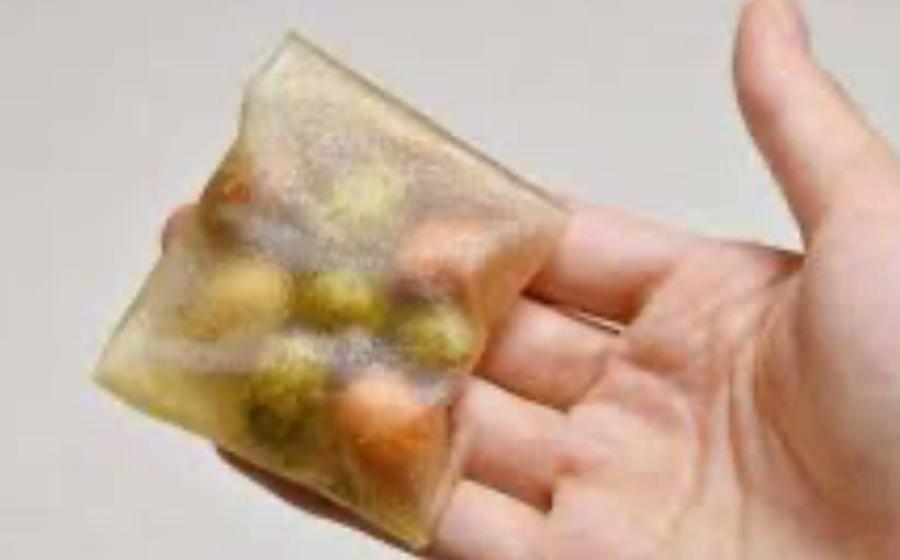

An innovative form of biodegradable packaging made from seaweed is gaining real-world traction as companies and venues seek alternatives to single-use plastic waste. The technology, developed by UK-based startup Notpla, is designed to replicate the convenience of traditional plastic while naturally breaking down in weeks once disposed of, offering a potential solution to the global plastics crisis.
Founded by Rodrigo García González and Pierre-Yves Paslier, Notpla (short for “not plastic”) emerged from experiments at Imperial College London and garnered global attention after winning the Earthshot Prize in 2022, an environmental award backed by Prince William that included £1 million in funding.
Innovation in motion
Notpla’s seaweed-based materials can be manufactured into a range of packaging formats — from edible liquid bubblesand sauce pearls to food containers and coated paper — all engineered to decompose naturally when exposed to oxygen, water and soil microbes. Unlike conventional plastics that can persist for centuries, seaweed-derived packaging breaks down harmlessly, returning to nature without leaving toxic residues or microplastics behind.
The company’s packaging has already been used at major UK venues including Wembley Stadium, Wimbledon and the O2 Arena, reaching over 30 million units distributed across events and food outlets. Notpla plans to expand into high-street food chains and broader retail markets.
A broader sustainability push
Experts say seaweed materials offer compelling environmental advantages: they are renewable, require no fertiliser or freshwater to grow, and sequester carbon as they develop in ocean environments. These features set seaweed apart from many other biodegradable alternatives that still depend on industrial composting facilities or eat into agricultural land resources.
Across Europe, Notpla and similar startups are rolling out seaweed packaging in stadiums, concert venues and quick-serve food settings — demonstrating how emerging sustainable materials can scale beyond labs and pilot projects. Some industry observers estimate that seaweed alternatives could displace hundreds of millions of single-use plastic units by the end of the decade.
Challenges remain
Despite significant progress, seaweed-based packaging still faces hurdles. Cost competitiveness with traditional plastics and consumer acceptance at larger scales remain ongoing challenges, and supply chain expansion will be essential to meet growing demand. Nevertheless, backers point to increasing regulatory pressure to phase out plastics and rising corporate sustainability commitments as tailwinds for the technology.