



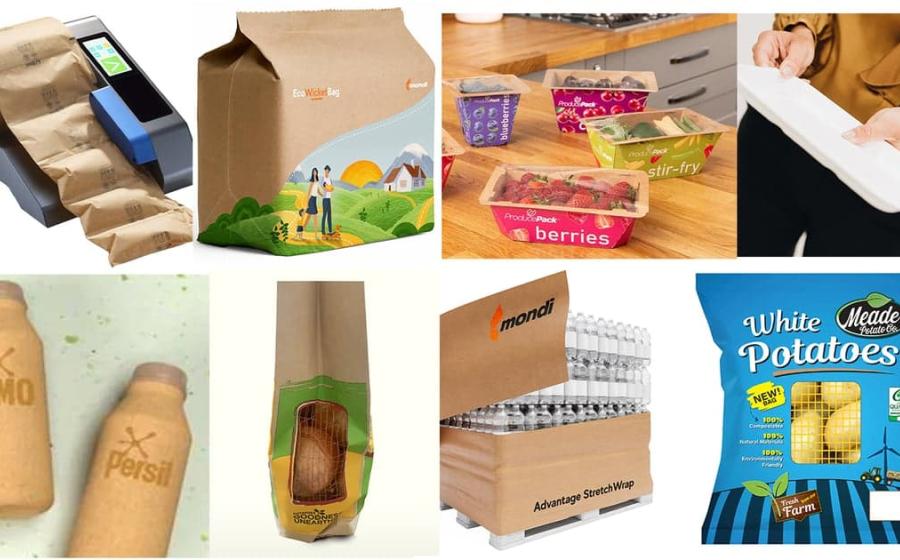

Is Paperisation Always the Most Sustainable Option?
As sustainability regulations tighten and consumer awareness grows, paperisation the shift from plastic to paper-based packaging has become one of the most talked-about strategies in the packaging industry.
But is replacing plastic with paper always the most sustainable packaging solution? Or do other packaging alternatives such as recyclable plastics, glass, aluminium, and compostable materials sometimes deliver better environmental outcomes?
This article provides a data-driven comparison of paperisation vs other packaging alternatives, helping brands make smarter, lifecycle-based decisions rather than following sustainability trends blindly.
What Is Paperisation in Packaging?
Paperisation refers to the replacement of plastic packaging components with paper or paper-based materials, including:
- Paper pouches and wraps
- Paper-based trays and cartons
- Paper labels replacing plastic labels
- Fibre-based secondary packaging
Why paperisation is gaining popularity:
- Strong consumer perception of sustainability
- Renewable raw material source
- High recyclability in many regions
- Compliance with plastic reduction regulations
However, sustainability depends on full lifecycle impact, not just material type.
Before comparing, let’s look at the main alternatives to paperisation:
- Recyclable plastics (mono-material PE, PP, PCR plastics)
- Glass packaging
- Aluminium packaging
- Compostable and bio-based materials
- Hybrid paper-based structures with barrier coatings
Each option offers unique sustainability advantages & limitations
Paperisation vs Other Packaging Alternatives
Environmental Impact (Lifecycle Assessment – LCA)
Factor Paperization Recyclable Plastics Glass Aluminium Raw material source Renewable Fossil / recycled Natural minerals Bauxite Carbon footprint Medium–High Lower with PCR High High but recyclable Water consumption High Low Medium Medium Recycling efficiency High (region-specific) Improving Very high Very high Transport efficiency Moderate Excellent Poor Good
Paper packaging often appears greener, but higher weight and water usage can increase overall carbon emissions.
2. Barrier & Functional Performance
| Performance Requirement | Paperisation | Better Alternatives |
|---|---|---|
| Moisture resistance | Low | Plastics, aluminium |
| Oxygen barrier | Limited | Glass, multilayer plastics |
| Grease resistance | Requires coating | Plastics |
| Shelf-life extension | Moderate | Plastics, aluminium, glass |
Paper often needs plastic or chemical coatings, which can compromise recyclability if not designed carefully.
3. Consumer Perception & Branding Impact
| Branding Factor | Paper Packaging | Other Alternatives |
|---|---|---|
| Sustainability perception | Very high | Medium–high |
| Natural / eco look | Excellent | Limited |
| Premium appeal | Moderate | High (glass, aluminium) |
| Product visibility | Low | High (glass, plastics) |
Consumers strongly associate paper packaging with sustainability, influencing purchase decisions even when environmental impact is similar.
4. Cost, Manufacturing & Supply chain impact
| Parameter | Paperisation | Other Alternatives |
|---|---|---|
| Material price stability | Medium | Plastics more stable |
| Equipment investment | Often required | Minimal for plastics |
| Transportation cost | Higher | Lower (plastics) |
| Global scalability | Moderate | High |
Paperisation may require new converting equipment, inks, adhesives, and suppliers, increasing transition costs.
Paperisation is an effective sustainability strategy but not a universal solution.
True sustainable packaging balances:
- Environmental impact
- Functional performance
- Consumer perception
- Cost and scalability
Brands that move beyond material bias and adopt data-driven packaging design will lead the next generation of sustainable innovation.