




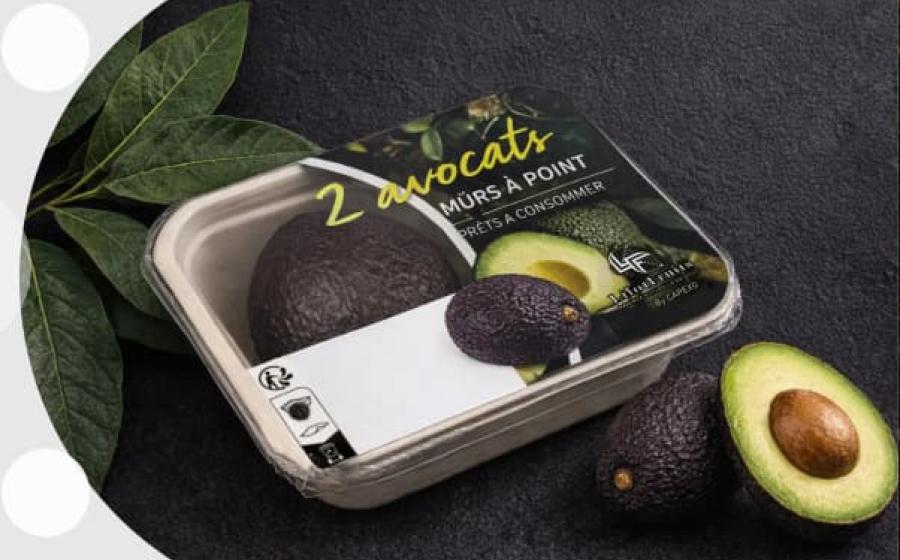

The bio-based flexible film combines high transparency, produce respiration performance and compostability, offering an alternative to conventional lidding solutions for fresh produce packaging.
Parkside Flexibles has partnered with French packaging company Ness Emballages and fresh produce supplier Lilot Fruits to develop a high-performance, home-compostable lidding film for avocado packaging.
The new bio-based film has been specifically engineered to protect sensitive fresh produce when sealed to fibre-based trays. The solution combines product protection with visual transparency, enabling consumers to see the product while supporting the transition towards fibre-based packaging formats.
Balancing Produce Protection and Packaging Performance
Fresh produce packaging requires carefully controlled conditions to maintain product quality throughout storage, transportation and retail distribution.
Avocados are particularly sensitive to their surrounding packaging environment. Parkside's new lidding film has therefore been developed with respiration performance in mind, helping support the protection of perishable fruits and vegetables throughout the supply chain.
The film offers several functional advantages:
- High transparency: Provides clear product visibility and enhances the visual presentation of fresh produce.
- Respiration performance: Supports the packaging requirements of sensitive produce such as avocados.
- Sealing compatibility: Designed to seal effectively to fibre-based trays.
- Packing-line performance: Engineered to run smoothly on existing customer packing lines, supporting commercial adoption.
According to Parkside, the film offers an alternative to existing recyclable coated or opaque paper lidding options while maintaining the premium appearance expected in fresh produce packaging.
Home and Industrial Compostability
A key feature of the development is its bio-based material composition and alternative end-of-life route.
According to Parkside, the film is designed to break down within:
- 26 weeks in a domestic composting heap under normal conditions.
- 12 weeks in an industrial composting facility.
The material is designed without conventional fossil fuel-based plastics, supporting the partners' objective of developing an alternative flexible packaging solution for fresh produce.
Designed for Fibre-Based Packaging Formats
Parkside has tailored the film to ensure smooth running and reliable sealing on customers' packaging lines. This is intended to facilitate the adoption of fibre-based trays combined with compostable lidding films.
The development is based on an existing, approved material structure that is exclusively available through Parkside.
The collaboration between Parkside, Ness Emballages and Lilot Fruits demonstrates how material innovation and packaging design can address the functional requirements of fresh produce while exploring alternative end-of-life solutions.
Advancing Sustainable Fresh Produce Packaging
As food producers and retailers continue to explore alternatives to conventional plastic packaging, solutions combining fibre-based formats with functional bio-based films are gaining attention.
For fresh produce applications, the challenge extends beyond material substitution. Packaging must also deliver transparency, sealing performance and appropriate product protection.
Parkside's latest development highlights the potential of home-compostable lidding films in supporting these requirements, particularly for sensitive fruits such as avocados.