




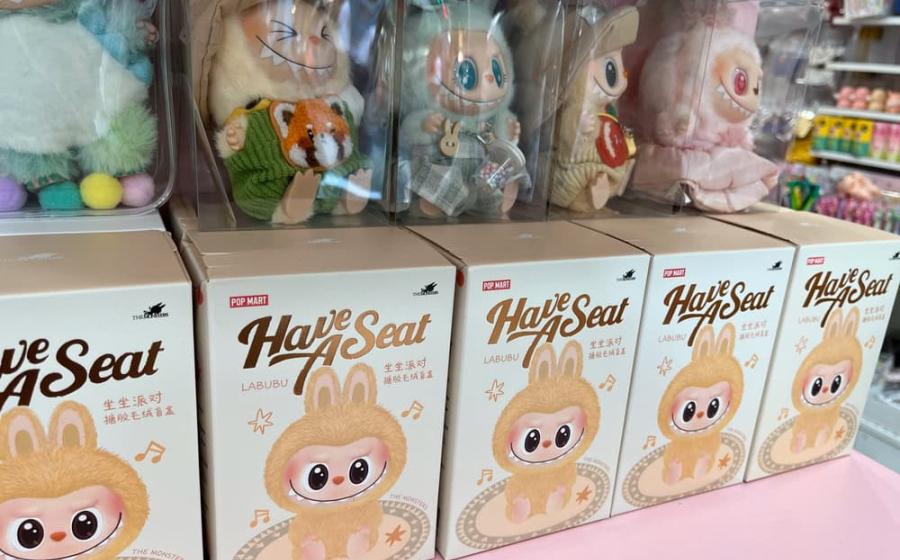

The global popularity of Labubu collectible toys has brought renewed attention to the environmental challenges associated with blind-box packaging and the growing volume of waste generated by consumer trends. While the surprise element of these products has helped drive consumer engagement, concerns are mounting over the recyclability of their packaging and the disposal of unwanted collectibles.
Labubu, the character created by artist Kasing Lung and commercialised by Chinese toy company Pop Mart, has become a global sensation. Its blind-box format encourages consumers to purchase sealed packages without knowing which character they will receive, often motivating repeat purchases to complete a collection.
However, the growing popularity of this sales model has raised questions about the environmental impact of packaging designed around the unboxing experience.
Multiple Packaging Layers Add to Waste
Blind-box collectibles typically use several packaging components, including cardboard boxes, inner bags and protective packaging. Depending on the product, additional shopping bags and shipping materials may also be involved.
Although cardboard packaging can generally enter established paper recycling streams when it is clean and appropriately sorted, plastic or foil-based inner bags may be more difficult to recycle because of their material composition.
The toys themselves can also present end-of-life challenges. Components made from different plastics, synthetic textiles, paints, metal elements and stuffing materials can make separation and material recovery difficult.
As consumers purchase multiple boxes in search of particular or rare characters, the volume of packaging waste can increase even when the additional purchases contain duplicate collectibles.
The Challenge for Recycling Systems
The Labubu trend highlights a wider challenge for recycling operators: packaging that performs well as a marketing tool may not necessarily be designed for efficient recovery after use.
Multilayer packaging, mixed materials and components that are difficult to separate can complicate sorting and recycling processes. Even when individual components are technically recyclable, actual recovery depends on collection systems, local recycling infrastructure and the availability of suitable processing facilities.
Unwanted toys also add to the problem because their mixed-material construction can make conventional recycling difficult.
These issues demonstrate why recyclability needs to be considered during packaging development rather than addressed only after products reach consumers.
Balancing Consumer Experience with Sustainability
Blind-box packaging illustrates how packaging can become an integral part of a product's appeal rather than serving only as a protective container.
The excitement of opening a surprise package creates an emotional connection with consumers and encourages social media sharing. However, this experience can also encourage repeated purchases and generate additional packaging waste.
For packaging designers and brand owners, the challenge is to retain the excitement of product discovery while reducing unnecessary materials and improving end-of-life outcomes.
Potential approaches include reducing packaging size, eliminating unnecessary layers, using recyclable mono-material structures where technically suitable, and replacing difficult-to-recycle inner packaging with alternatives compatible with available recycling systems.
Clear material identification and disposal instructions can also help consumers understand how to manage packaging after use.
Designing for Circularity from the Start
The Labubu phenomenon offers important lessons for the wider packaging industry, particularly brands that rely on collectibles, limited editions and premium unboxing experiences.
Packaging design decisions should consider material selection, ease of separation, recyclability, packaging-to-product ratios and the availability of appropriate collection and recycling infrastructure.
Brands can also explore reusable storage solutions, recycled materials and packaging formats that minimise waste without compromising product protection or consumer experience.
However, alternative materials must be assessed carefully to ensure they deliver genuine environmental benefits and are compatible with the recycling systems in the markets where products are sold.
Implications for the Packaging Industry
The growing scrutiny of blind-box collectibles reflects a broader shift towards evaluating packaging across its entire lifecycle. Attractive design and consumer engagement remain important, but they increasingly need to be balanced with material efficiency and responsible waste management.
For packaging manufacturers, converters and brand owners, the key takeaway is clear: successful packaging should create value for consumers while considering what happens to the materials after the product is opened.
As consumer trends continue to evolve, designing packaging for both experience and recyclability will be essential to reducing waste and supporting a more circular economy.