




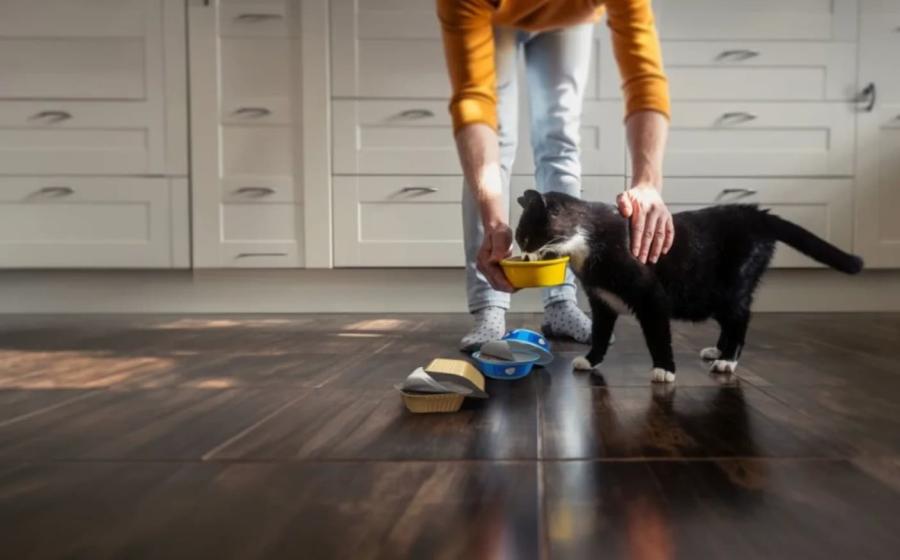

European consumer study highlights the importance of freshness, easy opening, mess-free serving and modern packaging formats in shaping wet pet food purchasing decisions.
Amcor has released new European consumer research examining the purchasing habits and packaging preferences of wet pet food buyers. The study surveyed 2,457 consumers across France, Germany, Italy, Poland, Spain and the United Kingdom, identifying key factors influencing packaging selection in the wet pet food market.
The findings reveal that consumers increasingly value packaging that combines product protection with convenience, ease of use and an appealing design. These insights provide pet food brands with opportunities to refine packaging formats to better meet consumer expectations and differentiate their products in a competitive market. <Cite refs={["turn655543view0"]}/>
Freshness and Convenience Drive Packaging Preferences
For wet pet food consumers, packaging functionality plays an important role in the overall feeding experience. Keeping food fresh emerged as the leading packaging consideration, followed by ease of serving, portioning and opening. Easy storage and mess-free handling were also among the key attributes consumers valued.
For wet cat food, ingredients, nutritional benefits, price and perceived product quality remained the leading purchase considerations, followed by packaging size, format and convenience. For wet dog food, practicality was particularly important when evaluating packaging.
These findings highlight the role of packaging design in delivering a convenient experience for pet owners while supporting product quality and freshness.
Aluminium Trays and Containers Show Strong Consumer Appeal
Amcor’s research evaluated consumer perceptions of three wet pet food packaging formats: traditional aluminium trays, smooth aluminium containers and cans.
The study identified positive purchase intent across all three formats:
- Traditional aluminium trays: 60% of respondents said they would definitely or probably purchase a product in this format.
- Cans: Also recorded 60% positive purchase intent.
Smooth aluminium containers: Achieved 54% positive purchase intent.
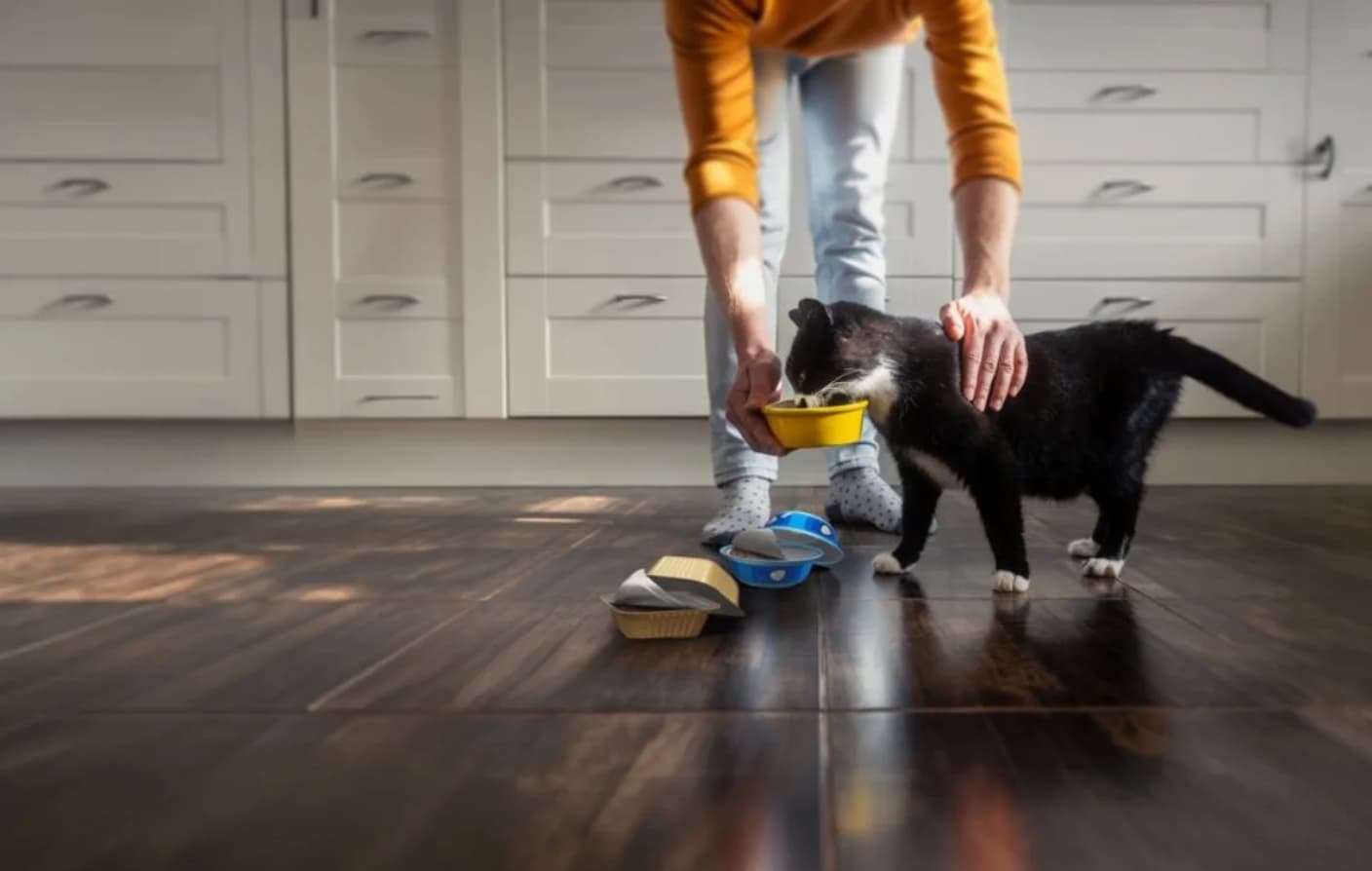
The findings suggest that established packaging formats continue to attract consumers, while alternative container designs offer opportunities to enhance convenience and product presentation.
Packaging Features Influence Consumer Perception
The study also explored the functional benefits consumers associate with different formats.
Traditional aluminium trays performed well for ease of opening, with 40% of respondents associating them with this benefit. Both traditional aluminium trays and smooth aluminium containers were perceived as safer to open than cans, with 30% of respondents selecting each format compared with 12% for cans.
Smooth aluminium containers stood out for their modern appearance and ease of emptying. A total of 52% of respondents considered this format the most modern and appealing, while 42% identified it as the easiest to empty. Additionally, 38% perceived it as the format that appeared better for the environment.
Cans retained an advantage in storage convenience, with 39% of respondents associating them with ease of storage.
These results demonstrate how packaging structure, opening mechanisms and container geometry can influence consumer perceptions and purchasing preferences.
Packaging Innovation Beyond Product Protection
Amcor offers container and peelable lidding solutions for wet pet food, supported by packaging expertise and field technical services to assist customers with packaging trials and validation.
The research reinforces the importance of developing packaging that balances freshness, convenience, safety and visual appeal. For manufacturers, selecting the right format requires consideration of the product, filling and sealing requirements, consumer usage patterns and distribution conditions.
Sustainability and regulatory compliance are also becoming important considerations. Amcor highlights the EU Packaging and Packaging Waste Regulation (PPWR) as one of the evolving requirements brands should consider when evaluating packaging choices.