





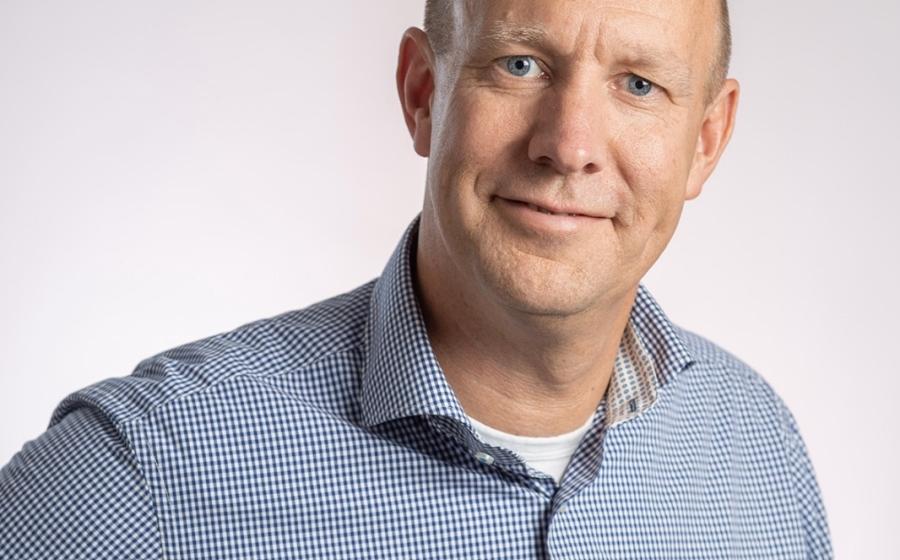
• Name: Serge Smit
• Designation: CEO
• Organization: Oxipack
Questions
I’ve been working in the packaging industry with a strong focus on quality assurance and packaging integrity. At Oxipack, we specialize in vacuum-based, non-destructive leak detection. Currently I am the CEO of Oxipack and my role is mainly about helping customers understand where risks are in their packaging process and how they can detect leaks early without destroying products.
One of the biggest challenges is convince the packaging industry the current destructive leak detection solutions such as the bubble leak test are outdated and not conform the current GMP standards. The industry needs to move more toward non-destructive, measurable quality—less assumptions, more data. Inline testing and non-destructive methods will become essential instead of relying on sampling or destructive tests.
We see Oxipack playing a key role in making leak detection more common, reliable and more integrated into production. Instead of testing occasionally and destructive, companies will move toward continuous and this non-destructive monitoring. Our technology helps make that possible without slowing down production or wasting products.
The combination of leak detection with data and AI is really exciting. If you can not only detect leaks but also predict when they will happen based on process data, you move from reacting to preventing. That’s where real value is.
Suppliers need to go beyond just delivering equipment. Customers expect insight—what’s happening in their process, where risks are, and how to improve. Being able to combine hardware with data and real understanding of production is key.
They are under pressure from all sides—sustainability, cost, regulations, and consumer expectations. At the same time, they often don’t have full visibility into packaging quality. Small leaks can go unnoticed but have big consequences. That’s where better testing methods make a real difference. With non-destructive leak detection you can make an impact on all these aspects. Take the cost of destructive testing, changing over to new systems you will reduce (food) waste and thus cut costs.
Sustainability is definitely the biggest driver. But it also creates new risks, because for example biodegradable materials are more difficult to create a hermetic seal. At the same time, automation and data are becoming more important, especially for quality control.
It will become much more data-driven. Quality control will shift from sampling to 100% inspection or at least much better monitoring. Sustainability will remain a big focus, but it will need to be backed by solid performance data.
More real-life case studies would be great—especially showing how new technologies actually perform in production, not just in theory.
AI will help connect the dots. Leak detection, process parameters, machine settings—all of that data can be used to predict issues before they happen. It will make packaging processes much more stable and efficient.
If you can guarantee packaging integrity consistently, you reduce complaints, recalls, and waste. That directly improves both customer trust and operational efficiency.
Automation will keep increasing, especially because of labor shortages. But it also requires better quality control systems. If everything runs faster, you need reliable inspection to keep up.
Our contribution is mainly in reducing waste. By detecting leaks early and non-destructively, we help prevent product loss and unnecessary rejects. That’s a very practical way to support sustainability.
Packaging will become more interactive, but at the end of the day, it still needs to protect the product. No matter how smart or personalized it is, integrity remains the foundation.
We strongly believe in the integration of leak detection in the packaging lines. So Oxipack will collaborate with the packaging machinery industry to integrate our solutions.
I’ve learned a lot from people who combine technical knowledge with a practical mindset—people who focus on solutions that actually work in the field.
I like to start the day with a clear overview of priorities and focus on the most important things first. Keeping it simple helps.
- • Focus on what really matters
- • Keep things practical and simple
- • Focus on what you are good at.
Each replacement of a destructive method (e.g. bubble leak tester) with an Oxipack solution will have a big impact—less waste thus direct impact, better operational control and better brand experience.
We take on every challenge to bring leak detection to the highest level